
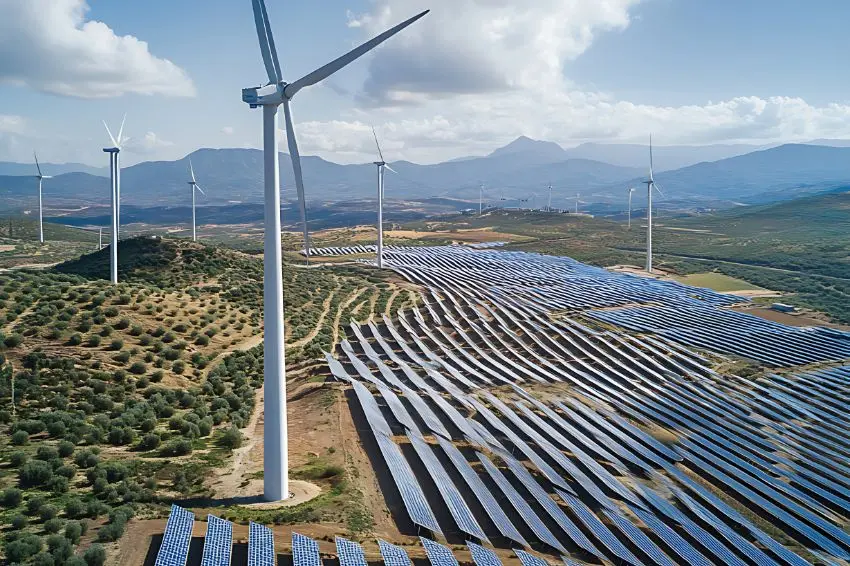
The CNPE (National Energy Policy Council) approved this Friday (6) the Plante (National Energy Transition Plan), an instrument that establishes the Federal Government's guidelines to transform the Brazilian energy matrix in the coming decades.
The proposal seeks to reduce dependence on fossil fuels, increase the share of clean energy sources, and guide the sector's development in the face of the country's economic, social, and environmental challenges. One of the main points of concern is the growth in energy demand, which could increase almost fourfold by 2055.
The plan establishes strategies to ensure that this expansion is accompanied by the advancement of lower greenhouse gas emission sources, as well as preparing the energy infrastructure for new economic demands, such as the installation of data centers and the development of artificial intelligence.
The Plan will be divided into two volumes. The first presents a long-term strategic vision for the Brazilian energy transition. The second details the implementation cycles, organized into four-year periods, with actions to put the guidelines into practice.
The document will also be used as a reference to integrate public policies and initiatives in the energy sector, considering planning instruments developed by the MME (Ministry of Mines and Energy) and EPE (Energy Research Company), such as the National Energy Balance (BEN), the Ten-Year Energy Expansion Plan (PDE), and the National Energy Plan (PNE).
Transmission and storage are among the priorities.
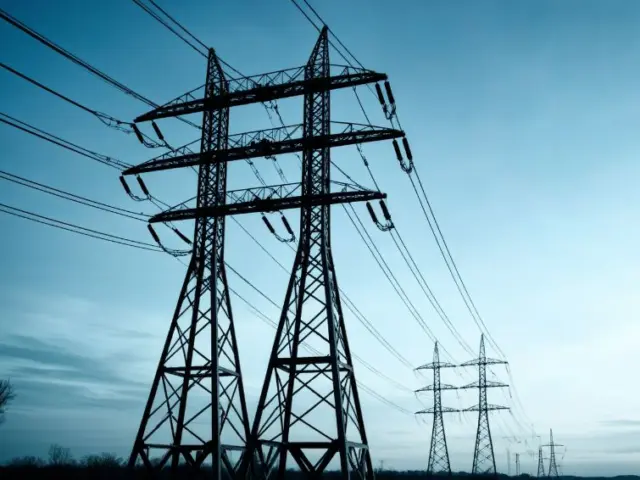
Among the measures highlighted by the government to enable the energy transition is the expansion of electricity transmission infrastructure. The goal is to allow the flow of production from renewable sources, especially in regions with a high concentration of generation projects.
According to the Ministry of Mines and Energy, Brazil has already accumulated R$ 80 billion in investments in the context of the energy transition, with progress in expanding transmission lines to integrate renewable generation into the electrical system.
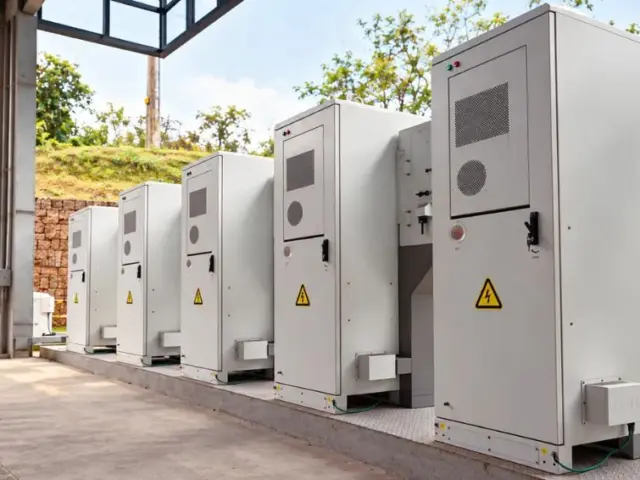
Another highlight is the holding of the first Brazilian auction focused on contracting battery energy storage systems (BESS), scheduled for December 2026.
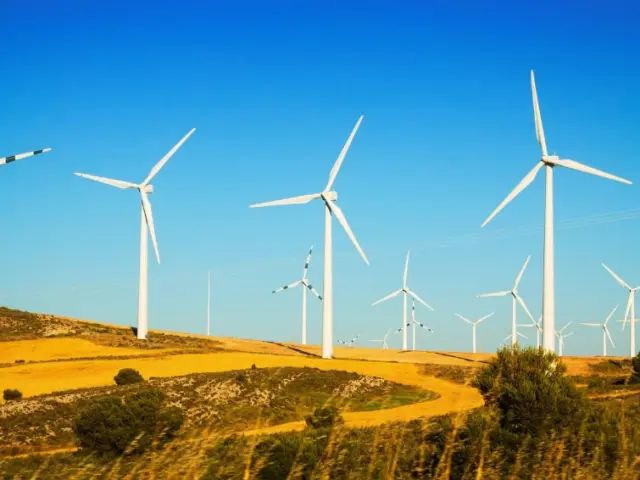
The initiative seeks to increase the flexibility and reliability of the electrical system, as well as facilitate the integration of intermittent sources, such as solar and wind power. With the expansion of these technologies, energy storage takes on a strategic role in balancing the supply and demand for electricity.
Data centers and artificial intelligence amplify challenges.
The growth of energy-intensive activities also appears among the factors considered by federal planning. The expansion of data centers and artificial intelligence applications will require greater availability of electricity and infrastructure capable of meeting new consumption profiles.
In this scenario, generation and transmission planning becomes crucial to ensure demand is met without compromising system security and decarbonization goals. Expanding the supply of renewable energy sources, modernizing the electrical infrastructure, and developing storage solutions are among the elements that can contribute to meeting these needs.
The plan will be presented in the context of COP31.
The approval of the Plan comes just days before President Luiz Inácio Lula da Silva's participation in COP31 in Antalya, Turkey. The Brazilian delegation intends to present the country's progress since COP30, held in Belém last year, as well as highlight instruments and public policies aimed at the energy transition.
With PLANTE, the Federal Government now has a long-term planning tool to guide actions in the energy sector until 2055, coordinating the expansion of supply, infrastructure, energy security, and the reduction of emissions.
all the content of Canal Solar is protected by copyright law, and partial or total reproduction of this site in any medium is expressly prohibited. If you are interested in collaborating or reusing part of our material, please contact us by email: redacao@canalsolar.com.br.

Comments
Comments are moderated before publication.Comments should be respectful and contribute to a healthy debate. Offensive comments may be removed. The opinions expressed here are those of the authors and do not necessarily reflect the views of the author. Canal Solar.