
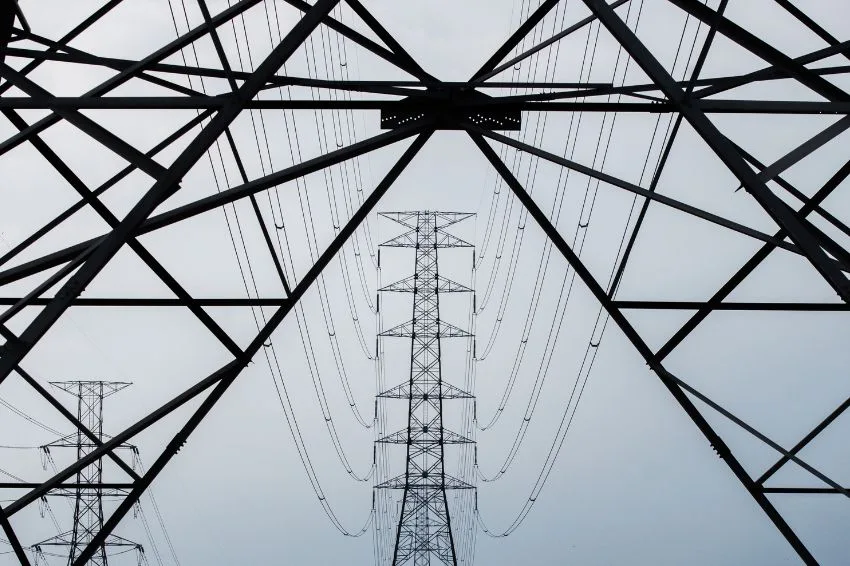
“Distributed generation is extremely important to reduce the impact on the electrical system load, since, in times of coronavirus, confinement can cause residential consumption to overload distribution feeders and transformers, and even substations.” This is what Dirceu José Ferreira, an expert in electrical distribution networks, says.
According to Dirceu, as people will be at home, the tendency is for energy consumption to increase. “Residences that have photovoltaic generation will help to ensure that there is no major impact on the system. The load profile tends to shift towards the afternoon. Thus, DG can contribute to relieving the load on transformers in utility substations that are close to the limit of being overloaded during this period”, explained the specialist.
Manaus, for example, was a city that experienced a blackout and lack of electricity on the afternoon of last Sunday (22). “Manaus still depends on 35% of non-renewable sources, despite the energy matrix being reversed in recent years. This is a favorable scenario for the implementation of generation from renewable sources, such as photovoltaic”, he added.
“The inclusion of distributed generation allows interruptions, such as the one that occurred, to have less impact on the system, allowing for a reduction in the time it takes to restore the energy supply, the number of consumers affected and relief in the loading of assets,” added Dirceu.
What is DG (distributed generation)?
Distributed generation is the decentralized production of energy at or near the location where such energy is used. For this type of production, independent consumers use renewable sources, such as solar, wind, biomass and hydraulic energy.
The advantages of DG are numerous, but many are still unaware of this as they are accustomed to conventional generation, called centralized generation (GC), in which the operation of large plants — such as hydroelectric and thermoelectric plants — is necessary, in addition to a network of lines to transmit and distribute energy, making it reach the final consumer.
Below are some advantages of GD:
- Reduction of electrical losses;
- Greater reliability;
- Decrease in investments in distribution and transmission networks;
- Cost reduction (avoids the dispatch of thermal plants);
- Minimization of environmental impacts.





Comments
Comments are moderated before publication.Comments should be respectful and contribute to a healthy debate. Offensive comments may be removed. The opinions expressed here are those of the authors and do not necessarily reflect the views of the author. Canal Solar.