
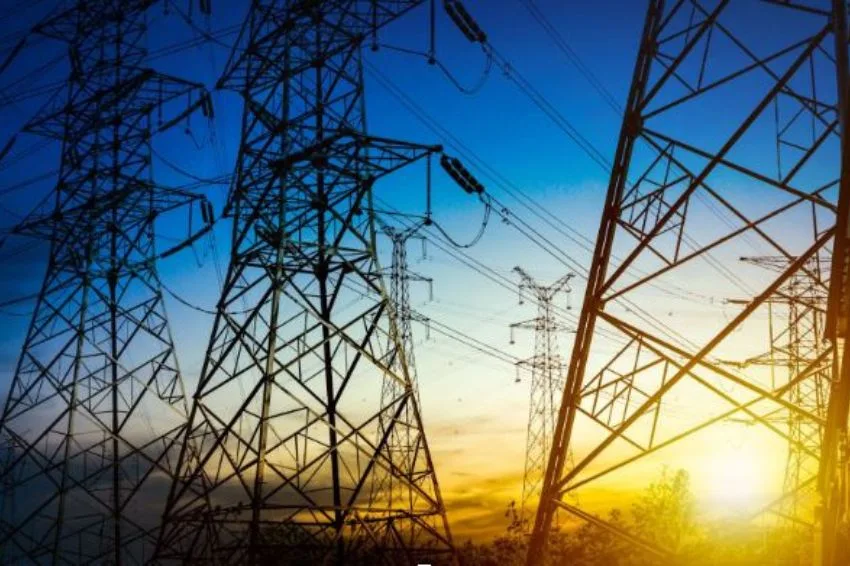
With the consistent increase in demand for electricity in Brazil – which grew 3,9% in 2024, according to data from CCEE (Electric Energy Commercialization Chamber) – the need to modernize the national electricity system also grows.
Amid this scenario of pressure for efficiency and stability, the digitalization of the electrical system emerges as a bet to guarantee a more agile, safer energy infrastructure, prepared for the challenges of decentralized generation and the energy transition.
These technological structures represent a leap forward compared to conventional analog systems, operating with intelligent sensors, advanced software and standardized communication via the international standard IEC 61850.
In Brazil, companies like the Setta Group have led technological initiatives that put the country on the path to innovation.
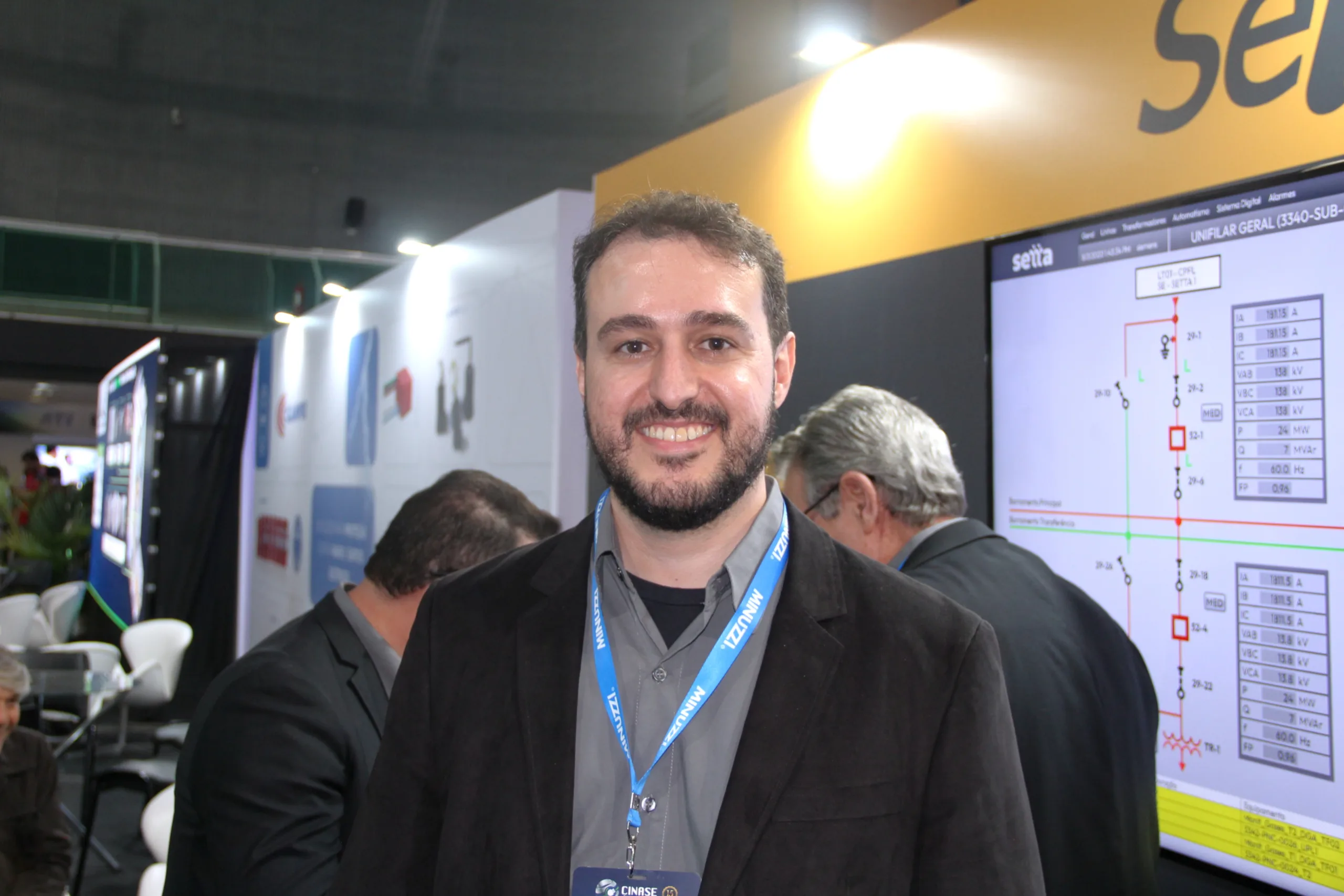
In an interview with Canal Solar, Gabriel Gomes, the company's project manager, explains that this standardization, in addition to facilitating interoperability between equipment from different manufacturers, accelerates the network's response time to failures and allows for more efficient management, especially in a context of increasing integration of renewable sources, such as solar and wind power.
Check out the full interview below:
How does the digitalization of substations align with Brazil's goals for reducing emissions and expanding clean energy?
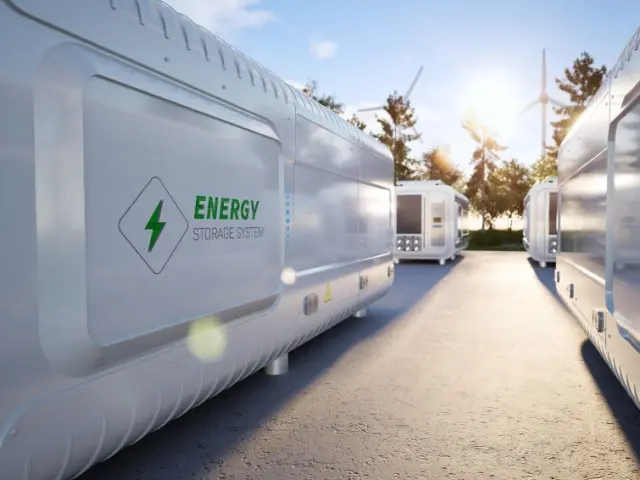
With the inclusion of IBRs in the energy matrix, challenges for the protection system have emerged that deviate somewhat from the conventional philosophy of system protection. Only through digitalization will we be able to implement more modern logic and alternatives to make the system more reliable and free from blackouts or inadequate protection system performance. Without digitalization, it will be impossible to effectively manage a much larger number of electrical system assets, such as BESS, IBRs, and other systems related to clean and renewable energy. Furthermore, a digital system is more compact and uses fewer copper wires, which contributes to a physically lower environmental impact substation.
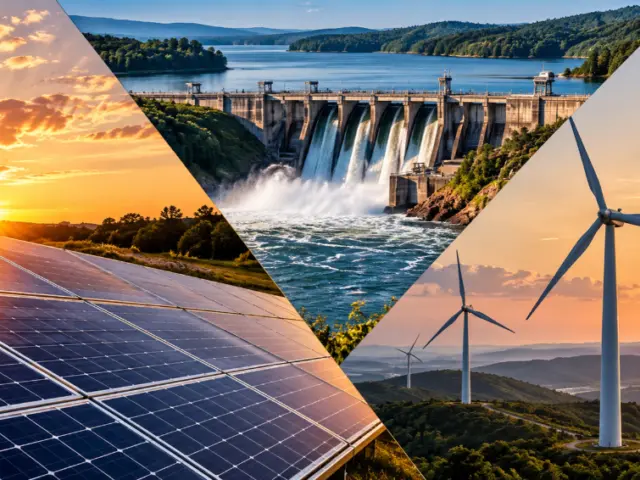
The expansion of renewable energy sources in Brazil, such as solar and wind, puts pressure on which aspects of the electricity grid? What makes digitalization an effective response?
The expansion of renewables has made the energy matrix weaker (from a short-circuit perspective) than the older matrix, which was mostly hydroelectric. The generators' inertia meant that the conventional distance protection philosophy (21) didn't work properly. Now, with the introduction of IBRs, protection philosophies need to be modernized, and more logic functions must be implemented. Message exchange between inverters and system protection relays must occur to improve system reliability, and this will only be possible with end-to-end digitalization.
In practice, what types of failures or risks can be avoided with digital substations compared to analog models?
Guided by IEC61850, greater standardization and interoperability between suppliers and manufacturers will open up more possibilities for more effective teleprotection between substations. With this interoperability, it will be possible to increasingly improve the interaction between substations, and more protection logic can be applied, providing greater backup for the system. For example, as the ONS already requires monitoring for missing messages and abnormal intervals, it will be possible to implement test routines that will provide greater predictability, acting before a problem actually occurs.
What is the current level of adherence among Brazilian utilities to the IEC 61850 standard? Are there any resistances or gaps in implementation?
Generally speaking, most utilities understand that migrating to an IEC61850 system is inevitable. Many utilities have already implemented pilot projects and reported success stories. Resistance to implementation for new substations is lower; however, we encounter greater resistance to modernizing existing substations, as the cost impact of modernization is significant.
Training professionals is also a challenge, just as cyberattacks are also issues that need to be controlled.
What are the cybersecurity risks associated with digital substations and how are they being mitigated?
Several manufacturers in the market are already working with protection systems against cyberattacks, such as systems like DMA (Data Management and Automation), which allows managing PROXY access with password, user and action log, which minimizes the need for access to IEDs, providing greater security and system traceability.
What are the main technological challenges faced by Setta Digital Labs in developing solutions for high-demand environments?
The main challenge lies in balancing a technologically advanced system that integrates in-depth knowledge of industrial operations with a high level of cybersecurity, without making the solution overly complex or bureaucratic. It's important to ensure that the information is high-quality and secure, while ensuring the user experience remains fluid, practical, and efficient. This balance requires technical intelligence and sensitivity to the realities of the factory floor, delivering solutions that actually work in practice and can be easily adopted by operational teams.
How do these technologies contribute to the safety of operations and maintenance teams? Is there comparative data on accidents or failures avoided?
In Brazil, companies such as Cemig, Neoenergia, and Eletrobras have already demonstrated drastic reductions in accidents after migrating to digital models. Much of this comes from the reduced need for physical intervention during maintenance to verify signal integrity. With digital LPITS, we also no longer experience CT explosions due to open secondary circuits. Trip circuit supervision is programmed with self-test routines that increase the reliability of all protection systems. One example, recorded by the ONS, is a 61% reduction in human-induced failures compared to a conventional substation.
What are the impacts of digitalization on the end consumer? Can we expect lower tariffs, greater stability, or both?
We can, in fact, expect greater system stability. And with this increased stability, we can optimize the performance of the SIN's energy management system, which can result in lower bills for consumers in the long run.
What emerging technologies do you believe will complement the digitalization of substations in the next 5 years?
In the near future, the digitalization of substations will be driven by the adoption of technologies such as Process Bus and TSN (Time-Sensitive Networking), technologies that provide flexibility, standardization and reliability in communication between IEDs and other electrical equipment in the substation. We should also expect a greater presence of virtualized IEDs, centralizing functions on more flexible and easily expandable servers. Cybersecurity is another requirement, with the application of the IEC 62351 standard aimed at protecting digital systems. Digital twins are expected to enable real-time simulation of the substation, providing diagnostic assistance to maintenance and commissioning businesses.
How does Brazil position itself internationally in terms of digitalization of the electricity sector? Are we lagging behind or at the forefront?
Brazil occupies an intermediate position in the digitalization of the electricity sector. Although it is not yet at the forefront of European or Asian countries, it already has some relevant cases using the IEC 61850 standard and technologies such as Process Bus, GOOSE, and multifunctional IEDs. Furthermore, global manufacturers with a local presence provide solutions compatible with international standards. This demonstrates that the country is committed to the digital transformation of the sector. However, there are still significant challenges to overcome, such as standardization among utilities, technical training of the workforce, and strengthening cybersecurity. The adoption of technologies such as digital twins and virtualization is still low, but it is expected to grow as the grid evolves. Brazil is not behind, but it needs to accelerate the digital maturity of the electricity system. The expectation is that, in the coming years, we will advance with more large-scale projects and greater integration between systems.
In the long term, is it possible to imagine a self-managing power grid, with minimal human intervention?
In the near future, the digitalization of substations will be driven by the adoption of technologies such as Process Bus and TSN (Time-Sensitive Networking), which provide flexibility, standardization, and reliability in communication between IEDs and other electrical equipment in the substation. A greater presence of virtualized IEDs is also expected, centralizing functions on more flexible and easily expandable servers. Cybersecurity is another requirement, with the application of the IEC 62351 standard aimed at protecting digital systems. Digital twins are expected to enable real-time simulation of the substation, assisting diagnostics in maintenance and commissioning businesses.
all the content of Canal Solar is protected by copyright law, and partial or total reproduction of this site in any medium is expressly prohibited. If you are interested in collaborating or reusing part of our material, please contact us by email: redacao@canalsolar.com.br.


Comments
Comments are moderated before publication.Comments should be respectful and contribute to a healthy debate. Offensive comments may be removed. The opinions expressed here are those of the authors and do not necessarily reflect the views of the author. Canal Solar.