
The recent Provisional Measure No. 1.304, of July 11, 2025, is part of a broader regulatory modernization of the Brazilian electricity sector.
Following the conversion of Provisional Measure No. 1300 into Law No. 15.235/2025, which redesigned tariff and subsidy pillars, Provisional Measure 1.304 deepens the debate on tariff responsibility, regulatory governance, and the socioeconomic balance of the energy transition.
However, this modernization requires extra care to ensure that regulatory progress does not translate into environmental or social regression — especially with regard to distributed generation (DG), the main driver of decentralization and democratization of access to energy in the country.
Distributed generation (DG), consolidated by Law No. 14.300/2022, today represents an expression of the social function of energy in the electricity sector.
By allowing consumers to also become producers, the legislator enshrined, in practice, the principle of the social function of electricity — an extension of Article 170, III and VI, of the Federal Constitution, which establishes the valorization of human labor and the protection of the environment as fundamental aspects of the economic order.
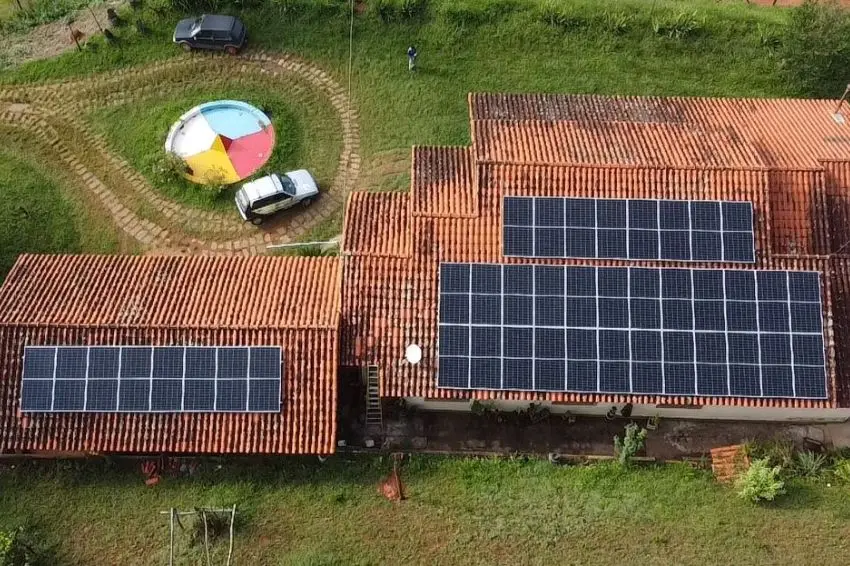
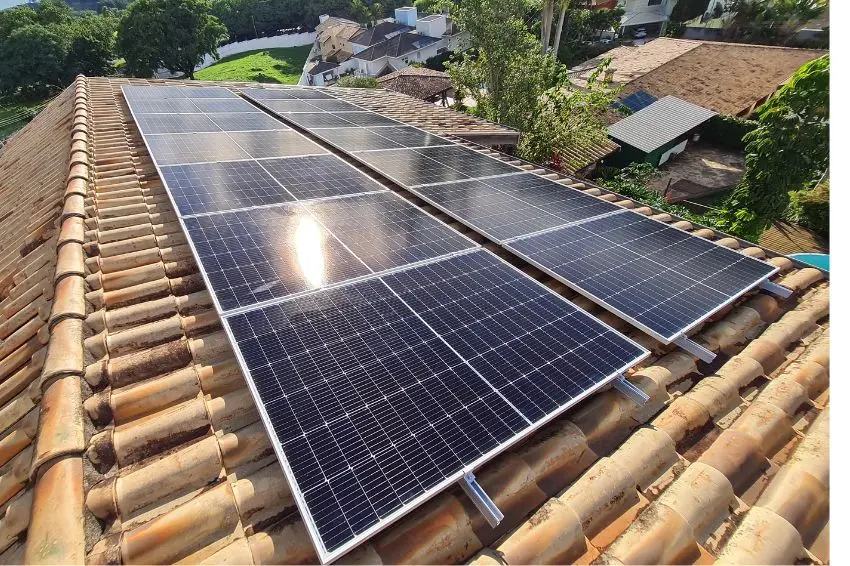
Distributed generation has given substance to the decentralized energy transition, fostering local jobs, reducing electricity losses, and stimulating private investment in clean technologies.
More than just an economic instrument, it has become a right to active participation in the energy matrix, broadening the concept of energy citizenship.
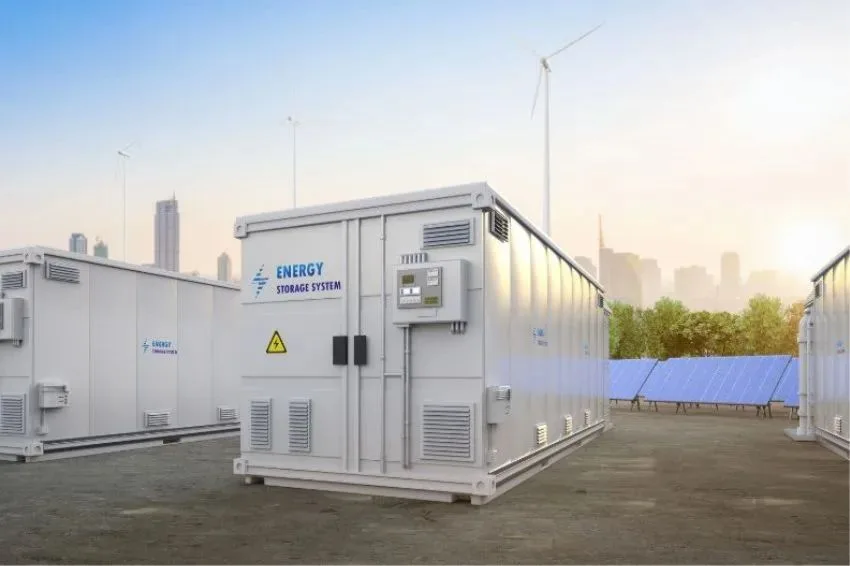
MP 1.304 foresees four storage levels for the electrical system, says Braga.
Provisional Measure 1.304, issued under the argument of improving the economic and financial sustainability of the CDE (Energy Development Account), introduces a Tariff Responsibility mechanism, inspired by the LRF (Fiscal Responsibility Law).
The proposal stipulates that any new tariff benefit or sectoral incentive must be preceded by an estimate of its budgetary and financial impact, definition of the funding source, and assessment of its impact on tariffs.
In constitutional terms, the aim is to reconcile tariff policy with Article 37 of the Federal Constitution, which imposes the principles of efficiency, morality, and transparency on the Public Administration.
From a legal standpoint, this involves controlling the expansion of sector-specific charges. However, when applying the same fiscal reasoning to energy transition policies, it is essential that the debate not be limited to an accounting perspective.
The electricity sector is an essential public service — and therefore an instrument for realizing fundamental rights, such as the right to decent housing and a balanced environment.
The risk of confusing tariff fairness with access restriction: Under the guise of "tariff fairness," part of the regulatory discussion has been directed against Distributed Generation, especially regarding the payment of network costs and the effects on the CDE (Energy Development Fund). However, it is necessary to distinguish between tariff balance and penalizing sustainable models.
Distributed generation (DG) is not the cause of structural distortion, but rather the result of regulations that have historically favored centralized generation intensive in cross-subsidies.
The cost of energy in Brazil does not stem from solar microgeneration on rooftops, but from an institutional model that still carries inefficiencies and overlapping sectoral burdens.
Furthermore, the positive economic effects of distributed generation (DG) — such as reduced distribution losses, relief from peak demand, and decentralized investments — are often ignored in fiscal analyses.
From a constitutional perspective, distributed solar energy is part of the national climate agenda, and its expansion is compatible with the commitments of the Paris Agreement and with Article 225 of the Constitution, which imposes on the State the duty to promote environmentally sound technologies.
Therefore, the application of Provisional Measure 1.304 must be accompanied by regulatory criteria that preserve the legal stability of the... Law No. 14.300 / 2022, ensuring gradual and predictable transitions.
The challenge lies in reconciling two constitutional principles of equal hierarchy: affordable tariffs and economic efficiency (Article 175 of the Federal Constitution); and sustainable development and the right to an ecologically balanced environment (Article 225 of the Federal Constitution).
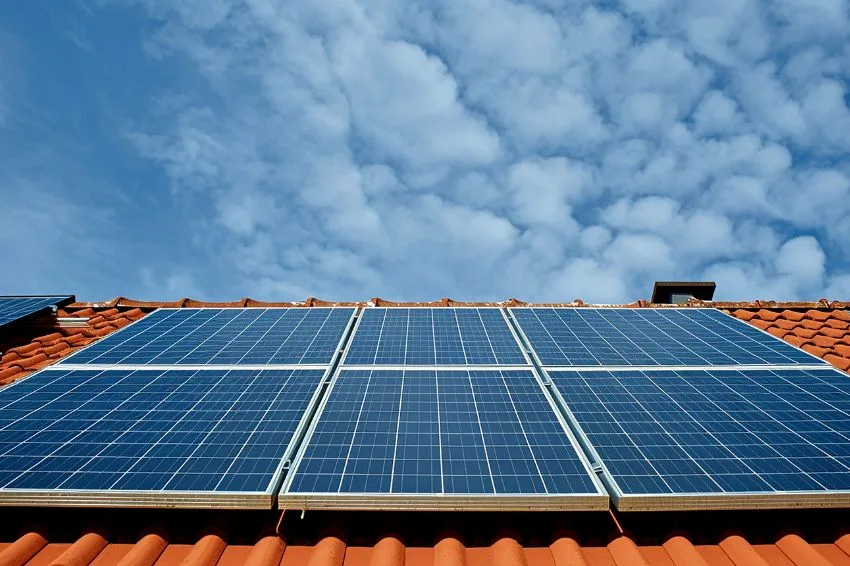
The possible balance lies in reclassifying Distributed Generation as a public interest policy—and not as an economic privilege. This implies consolidating transparent tariff compensation instruments, without compromising the viability of small generators, especially in the North and Northeast regions, where DG plays an inclusive role and contributes to energy security.
Provisional Measure No. 1.304/2025 could become a landmark of regulatory rationality if interpreted from the perspective of a just energy transition.
Tariff accountability is welcome — as long as it doesn't become an obstacle to innovation, decentralization, and citizen participation in energy production.
True tariff justice lies not in restricting Distributed Generation, but in reforming the system so that everyone can produce, consume, and share clean energy equitably.
In a country of continental dimensions and historical inequalities, distributed generation is less of a subsidy and more of a tool for energy, environmental, and social sovereignty.
The opinions and information expressed are the sole responsibility of the author and do not necessarily represent the official position of the author. Canal Solar.