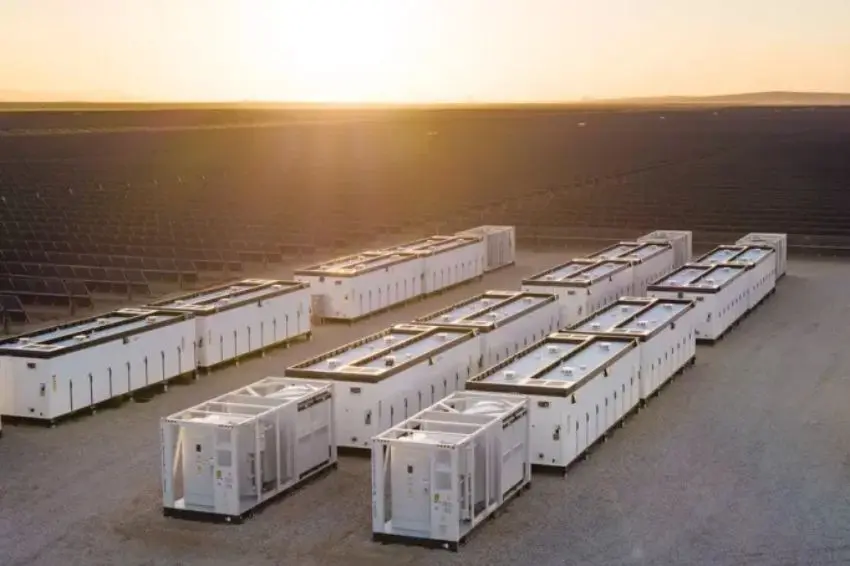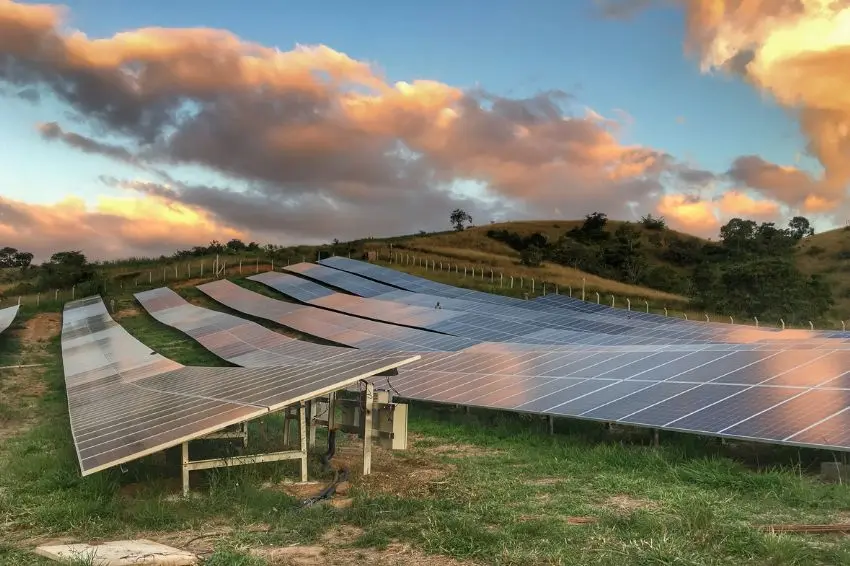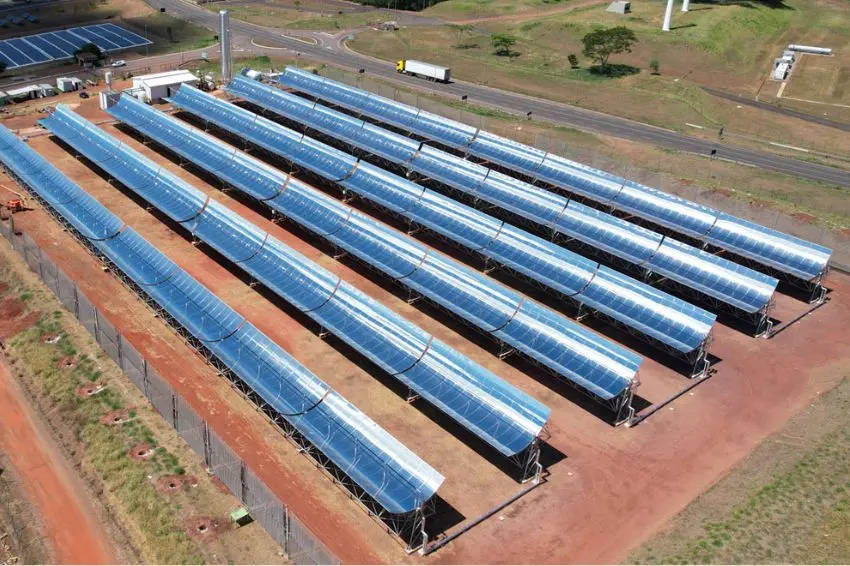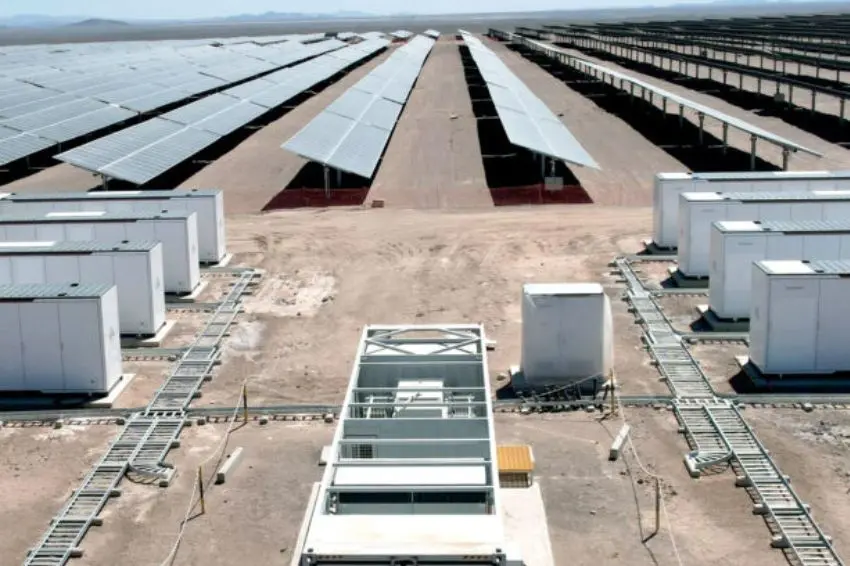

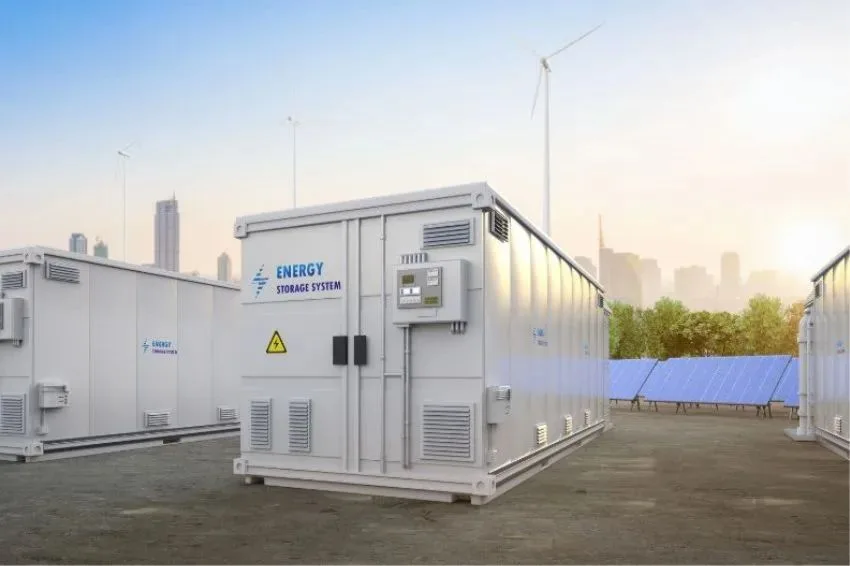
Electrical energy storage, especially through battery energy storage systems (BESS), has ceased to be a technological promise and has become the new institutional frontier of the Brazilian electricity sector.
Its incorporation into the system challenges classic regulatory concepts, such as the strict separation between generation, transmission, distribution, and consumption, requiring a legal and regulatory reinterpretation compatible with the constitutional principles of efficiency, affordable tariffs, and security of supply.
The recent consolidation of the legal framework for storage inaugurates a new regulatory cycle, in which... ANEEL It begins to play a decisive role in shaping business models, designing tariffs, and defining the rights and duties of economic agents.
More than a technical issue, this is a structural transformation of the regulatory model, with direct repercussions on contracts, investments, risk allocation, and economic and financial equilibrium.
The enactment of Law No. 15.269/2025 represents a watershed moment by recognizing energy storage as an integral resource of the national electricity system and inaugurating the legal framework, the functional constitutionalization of energy storage in Brazil.
From a legal and constitutional standpoint, energy storage is incorporated as an instrument for realizing three fundamental vectors: energy security, as a corollary of the state's duty to guarantee the continuity and reliability of public service; economic efficiency, as a means of optimizing the use of networks and reducing systemic costs; and tariff moderation, insofar as storage can mitigate redundant investments in infrastructure expansion.
This legal recognition has a significant effect: it shifts the focus from the realm of experimental innovation to the realm of sectoral public policy, subjecting it to the principles of legality, proportionality, and regulatory equality.
Public Consultation No. 39/2023, led by ANEELIt is structured as the main sub-legal axis for regulating storage. The process was divided into cycles, highlighting the legal complexity of the subject.
In the first cycle, the Agency addressed foundational issues such as the legal nature of BESS, the forms of authorization, access to networks, and the conceptual framework. The second cycle, currently underway, delves deeper into topics of greater economic and constitutional sensitivity, such as:
- Integration of BESS into transmission and distribution;
- Regulatory treatment of behind-the-meter storage;
- Use of storage as a mitigator of constrained-off and curtailment;
- Revenue stacking;
- Hybrid models (generation + battery).
What we observe is that the ANEEL It is not merely regulating a technology, but redefining traditional legal categories in the electricity sector, which demands institutional caution and regulatory density.
However, the main point of regulatory tension lies in the tariff framework for storage, especially regarding the payment of TUST and TUSD, the contracting of MUST/MUSD, and the characterization of BESS as load, generation, or a hybrid entity.
This debate has constitutional weight, as it involves constitutional principles such as: the principle of equality, to avoid discriminatory treatment between technologies; regulatory neutrality, to avoid inducing artificial market distortions; tariff moderation, avoiding double pricing or systemic cost overruns; and most importantly, legal certainty – essential for the financing of projects!
Postponing the final decision by ANEEL This topic highlights that storage challenges the classic tariff model, requiring an institutional redesign that is not yet fully consolidated.
Auction of capacity with storage: a new contractual paradigm: The structuring of the first specific storage auction, within the scope of LRCAP 2026, signals the Granting Authority's option to treat BESS (Balanced Energy Storage System) as a resource for power and systemic flexibility. From a legal perspective, this model inaugurates a new regulated contractual category, establishes a clearer separation between energy revenue and capacity revenue, and brings formal recognition of storage as a system reliability asset.
This is a significant step, but it does not, by itself, resolve the environment of hybrid projects and those associated with the free market. We still need further progress, and regulation is still in its early stages.
The main current weakness in the energy storage regulatory environment is not technical, but institutional. The absence of definitive rules on revenue stacking, network usage fees, and legal framework compromises: regulatory predictability; the structuring of long-term contracts; the bank financing of projects; and the adequate allocation of risks between agents and consumers.
From a constitutional perspective, this scenario requires that ANEEL and from the Ministry of Mines and Energy (MME) an approach that preserves the balance between innovation, legal certainty, and protection of the user of public services.
The regulation of energy storage in Brazil ultimately represents an institutional test of the Brazilian regulatory model. It's not just about incorporating a new technology, but about updating the legal framework to deal with hybrid, multifunctional assets with multiple revenue streams.
The success of this agenda will depend on the regulator's ability to build coherent tariff solutions, ensure technological advancement with legal predictability, and create an institutional environment compatible with intensive capital investments.
Energy storage, therefore, is not just a technical innovation. It's a new chapter in the regulatory law of the Brazilian electricity sector. Onward, Brazil!
You might also be interested in!
White Tariff puts Brazil on a common path with Latin America.
The opinions and information expressed are the sole responsibility of the author and do not necessarily represent the official position of the author. Canal Solar.