
Article published in Magazine Canal Solar – Vol. 7. No. 2.
For years, solar thermal energy – known internationally as CSP (Concentrating Solar Power) – was treated by some in the market as a technology that had lost the race to photovoltaic panels.
The rapid advancement of conventional solar power, coupled with the accelerated drop in module prices and, subsequently, the growth of lithium batteries, drastically reduced global interest in solar thermal power plants.
Now, however, the scenario is beginning to change. Amid the growing need for solutions capable of guaranteeing renewable energy storage for long periods and providing stability to electrical grids, CSP has once again gained attention in technical discussions.
The movement is primarily led by China, which has been aggressively expanding the technology in large hybrid complexes combining wind and solar power generation.
The logic behind this resurgence is relatively simple. CSP has come to be seen not only as a source of solar generation, but as a long-term energy storage alternative.
Unlike traditional electrochemical batteries, whose cost tends to increase significantly in applications exceeding eight hours of storage, solar thermal power plants can maintain heat stored in molten salts for long periods at costs considered more competitive in certain applications.
This allowed the technology to perform a function similar to that of a renewable "baseline generation," reducing the need to activate fossil fuel power plants to ensure the operational stability of electrical systems.
The concept is especially important in countries that have significantly increased the use of intermittent sources, such as solar photovoltaic and wind power. In these situations, CSP offers a strategic advantage: producing dispatchable renewable energy, including at night.
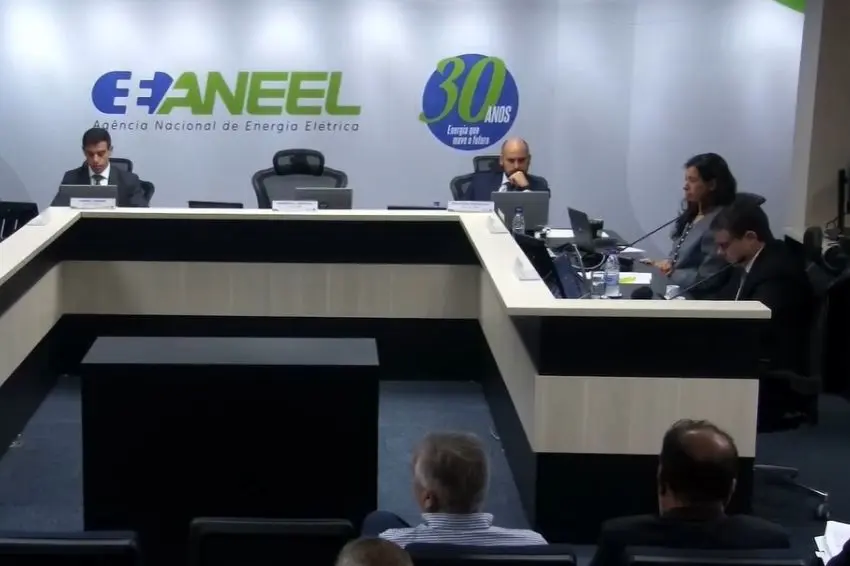
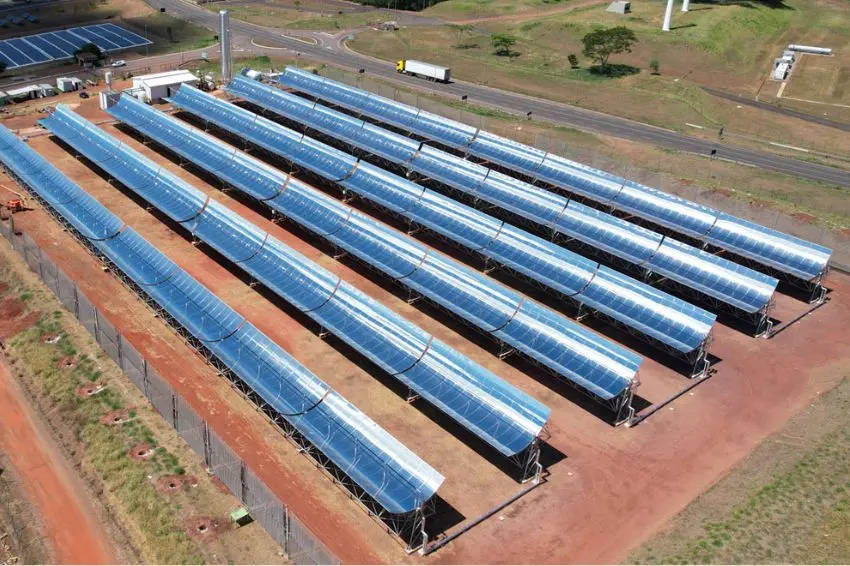
In Brazil, the technology remains restricted to experimental and research projects, which, thanks to a pioneering initiative by... ANEEL (National Electric Energy Agency) allowed for promising conclusions to be drawn for the local development of this type of generation.
But the sector is closely monitoring the global resurgence of the segment. The prospect of building a new plant in Piauí in partnership with the Chinese company CGN Brazil Energy has once again reinforced interest in the subject.
The National Energy Plan (PNE) 2055, by the way, indicates that the theoretical potential for exploiting the main versions of solar thermal energy in the country would be in the range of 714 GW, equivalent to 151 million tons of oil equivalent per year.
CSP X photovoltaics
Although both use the sun as a primary source, the operational logic of solar thermal energy is different from photovoltaic generation.
In photovoltaic technology, panels directly convert sunlight into electricity. In CSP, the process is thermal. Mirrors concentrate solar radiation onto a receiver, heating thermal fluids to high temperatures.
The heat generated produces steam that drives turbines, in a process similar to that of a conventional thermal power plant, but replacing fossil fuels with solar heat.
This feature offers a decisive advantage in the current scenario, namely the possibility of thermal storage.
In many modern projects, especially solar tower projects, heat is stored in molten salts that remain at temperatures above 500°C for several hours. Subsequently, this heat can be used to continue producing steam and electricity even without direct sunlight.
In practice, this means that a CSP plant can operate at night, during peak demand times, or during fluctuations in conventional wind and solar generation.
International experts believe that this very ability to dispatch has repositioned the technology in a strategic location for 2026.
Download the complete magazine and get free access to this article by clicking [here]. here.
all the content of Canal Solar is protected by copyright law, and partial or total reproduction of this site in any medium is expressly prohibited. If you are interested in collaborating or reusing part of our material, please contact us by email: redacao@canalsolar.com.br.