

GoodWe has launched a new generation of hybrid inverters in the Brazilian market for residential and small commercial applications, with capacities between 5 kW and 10 kW and the possibility of operation both connected to the electrical grid and in stand-alone (off-grid) mode.
The ES LD line was designed to meet different electrical standards and can operate at alternating current voltages such as 120/208 V, 127/220 V, 120/240 V and 127/254 V, a configuration compatible with installations in Brazil and other Latin American countries.
Among the inverter's technical advantages is the presence of two MPPTs (Maximum Power Point Tracking), a feature that allows for optimizing energy generation by managing different strings of photovoltaic modules, including in situations of partial shading or different roof orientations.
The model also supports low-voltage 48V batteries, compatible with lithium or lead-acid technologies, a standard widely used in smaller hybrid systems. This feature expands the possibilities for using the solution in locations with unstable power supply or in projects seeking greater energy autonomy.
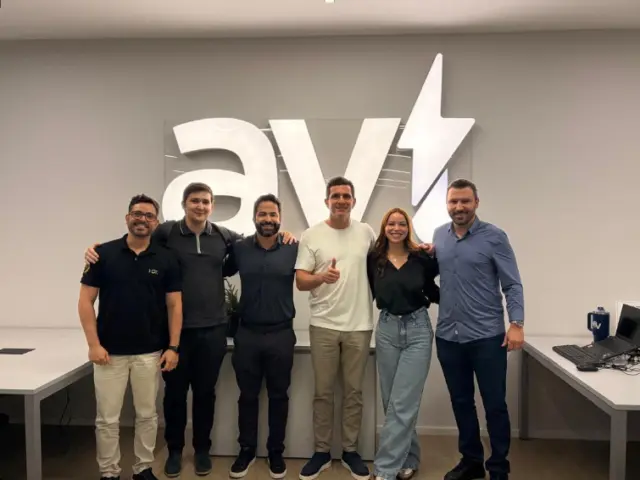
According to GoodWe's vice president for South America, Fábio Mendes, the product was developed considering market needs. "It's a device designed to serve homes and small businesses with versatility, allowing it to operate connected to the grid or in isolation, in addition to working with 48V batteries, which are widely used in these projects," he said.
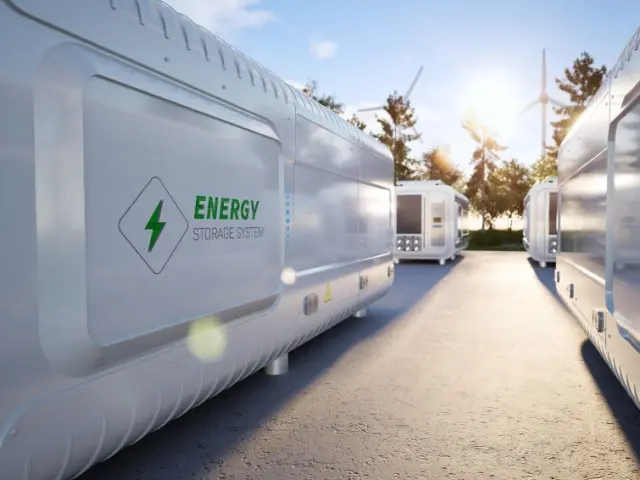
According to GoodWeThe possibility of operating in both on-grid and off-grid systems broadens the range of applications for the equipment. In areas served by the conventional grid, the inverter allows for energy compensation and storage for nighttime use or during peak consumption hours.
In more remote areas or those with unstable power supply, the equipment can operate independently, guaranteeing energy for rural residences, small commercial establishments, and service businesses.
all the content of Canal Solar is protected by copyright law, and partial or total reproduction of this site in any medium is expressly prohibited. If you are interested in collaborating or reusing part of our material, please contact us by email: redacao@canalsolar.com.br.


Comments (1)
Comments are moderated before publication.Comments should be respectful and contribute to a healthy debate. Offensive comments may be removed. The opinions expressed here are those of the authors and do not necessarily reflect the views of the author. Canal Solar.
Why are US inverters so much more expensive than EU inverters in Brazil?