

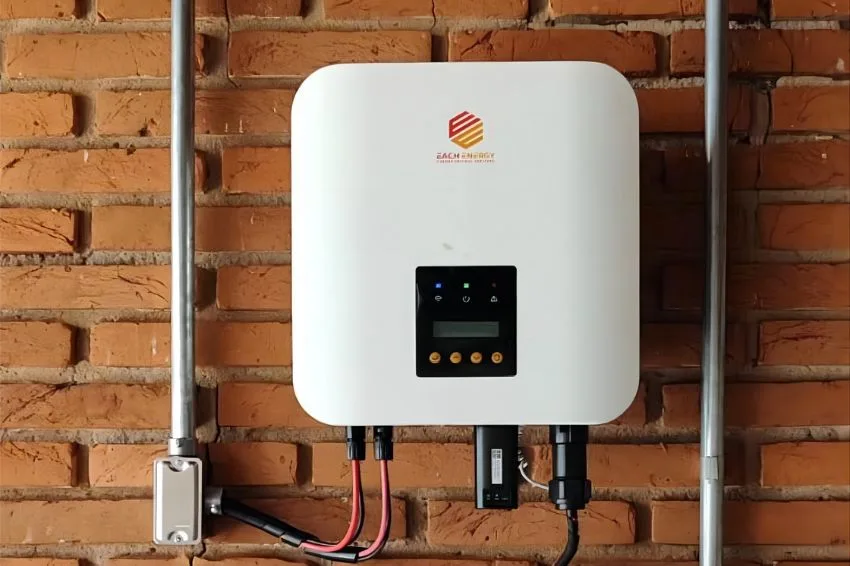
O photovoltaic inverter is an indispensable item in the solar energy system. The product is an electrical converter, whose function is to transform the energy produced by direct current (DC) modules into alternating current (AC).
In the sector, there are various brands that sell the equipment. Therefore, the the role of the integrator requires attention, from choosing the supplier to choosing the project that best suits the client.
In view of this scenario, the Energy Efficiency listed the main parameters to be considered when selecting an inverter, mainly focused on the Brazilian photovoltaic market, as well as presented the inverter portfolio that offer for the segment in the country.
Maximum input current (Imp)
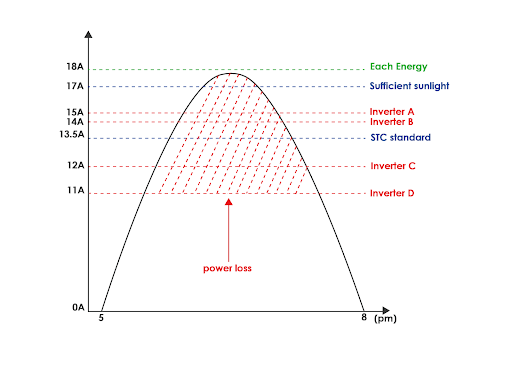
Maximum power current is the current that the module delivers when operating at its maximum power point. According to the company, The inverter's DC input must be greater than 16 A in Brazil. “Otherwise, some of the DC generated by the solar panel will be wasted.”
"The Each Energy inverters have 18 A, which can ensure that the higher direct current of the modules can be fully converted into alternating current,” they explained.
Startup and shutdown voltage
What does this parameter mean? Depending on the company, the inverter starts or stops working when the DC input voltage of solar panels reaches start-up voltage or shutdown.
The start-up and shutdown voltage of the Each Energy single-phase inverters is de 40V and 30V, and the start-up and shutdown voltage of three-phase inverters is 50V and 40V.
“Compared to other brands, its starting and stopping voltages are between 80 and 120 V. Our inverters always start working earlier and turn off later, running 30 to 60 minutes longer and generating more energy”, highlighted the manufacturer.
Multiple MPPT
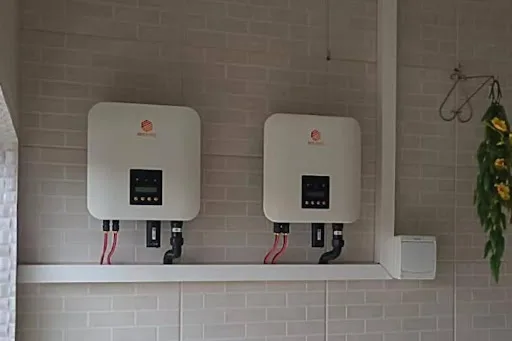
According to the company, each inverter MPPT can only track modules in one direction. “If you install panels in three different orientations on the roof, you will need inverters with three MPPTs to ensure maximum efficiency.”
“In this case, we have single-phase inverters of 6-10 kW with 3 MPPTs and 5-phase three-phase inverters at 30 kW with 3 MPPTs, in addition to three-phase inverters 75-110 kW with 7-9 MPPTs”, they pointed out.
LCD screens and buttons
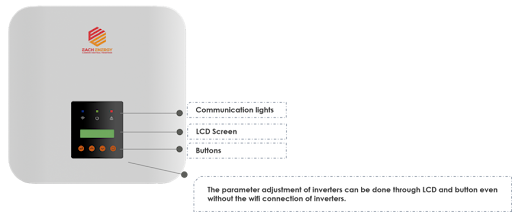
Each Each Energy inverter has LCD screens and four buttons, which facilitates testing and commissioning after installation. The AC output voltage can be adjusted from 80 to 300 V via buttons.
“The four points above are indicators of very important parameters to identify whether it is worth purchasing the inverter. In Brazil, Each Energy inverters are reasonably priced and come with a 10-year warranty., which makes it one of the inverter brands with the best cost-benefit on the market”, concluded the company.
all the content of Canal Solar is protected by copyright law, and partial or total reproduction of this site in any medium is expressly prohibited. If you are interested in collaborating or reusing part of our material, please contact us by email: redacao@canalsolar.com.br.



An answer
We have seen many cases of modules that are incompatible with inverters in the Max. DC Current parameter (input). And many equipment buyers do not have technical knowledge, much less the seller. This is causing an avalanche of problems in the installations, causing technically reliable companies to lose credibility. The suggestion would be: the material supplier's platform should automatically issue an alert about the combination of certain boards (modules) with inverters, when these equipments do not match.