

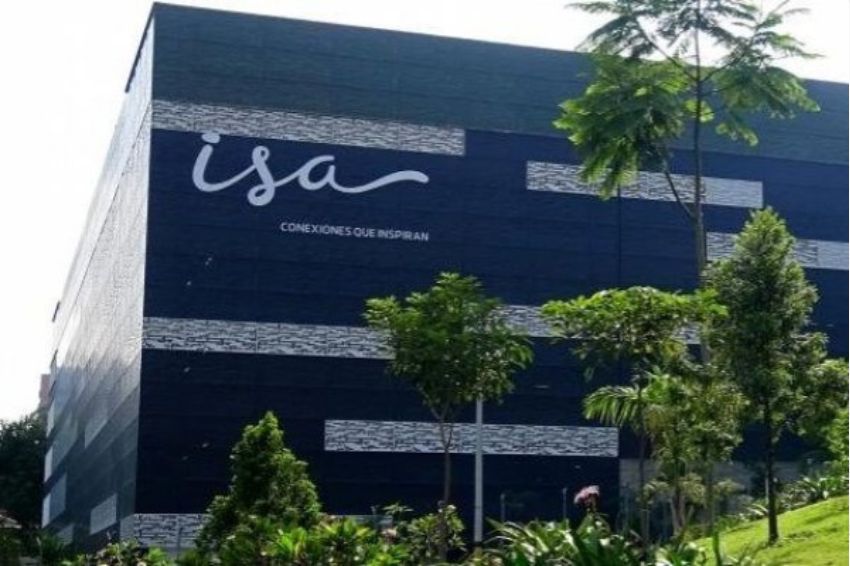
A ISA CTEEP, leader in energy transmission in the country, began operating the first substation 4.0 do Brazilian transmission system.
Located in Jaguariúna, in the interior of São Paulo, this innovation seeks to meet the emerging demands of the electricity sector, aiming to improve the integration of renewable sources, strengthen grid resilience and boost the energy transition.
With an investment exceeding R$11 million, the project is the result of R&D Program of ANEEL (National Electric Energy Agency).
Silvia Wada, executive director of strategy and business development at ISA CTEEP, highlights that substation 4.0 allows advances in the regulation of the Basic Network, integrating technological advances from research and development. Furthermore, this model can be explored in future projects.
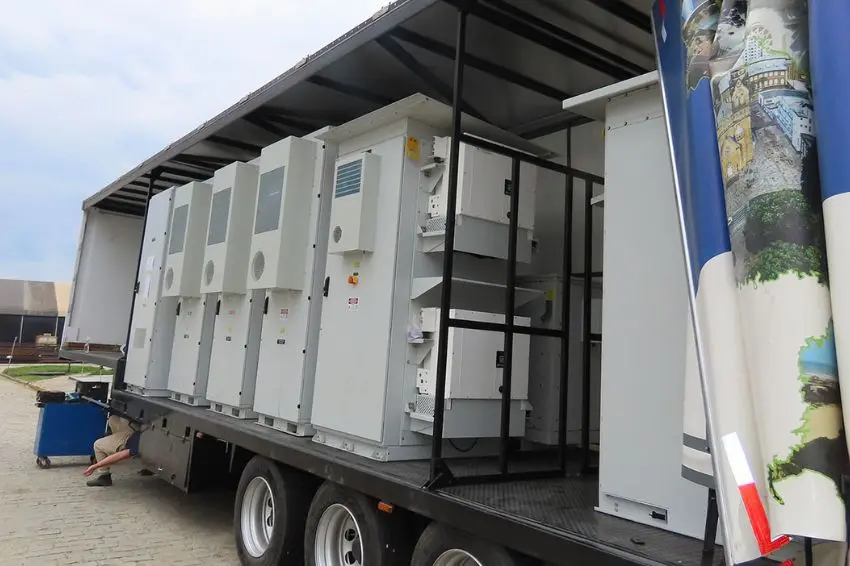
The new substation incorporates a high-performance computing and communications platform, using fiber optics, IoT (Internet of Things) and Wi-Fi networks.
This centralized, digital system encompasses protection, control, automation, monitoring, communication and asset management, providing greater intelligence and flexibility to the substation. This allows technicians to act preventively remotely, analyze trends and make decisions to avoid failures, reducing the risk of interruptions in supply.
Gabriela Desirê, executive director of operations at ISA CTEEP, emphasizes that substation 4.0 is part of emerging technologies to increase security and reliability in energy supply, in addition to integrating renewable sources, improving network resilience and improving service to society.
The implementation of technology 4.0 at the Jaguariúna Substation also enabled the incorporation of transformer oil and battery monitoring sensors, contributing to more informed decisions in maintenance and asset management.
Developed in collaboration with Hitachi Energy and the Polytechnic School of the University of São Paulo (Poli/USP), substation 4.0 is a laboratory for future substations, with the potential to advance regulation among system operators and boost the digitalization of the sector’s facilities.
In addition to the technological advantages, the 4.0 substation also promotes sustainability and savings. The concentration of secondary equipment on the same hardware reduces installation costs and the number of physical devices, resulting in a more efficient and reliable system. The use of optical fiber instead of copper cabling contributes to the reduction of waste and physical space.
In summary, the inauguration of substation 4.0 by ISA CTEEP represents a milestone in the Brazilian energy scenario, boosting the integration of advanced technologies, renewable sources and operational efficiency.


Answers of 3
Good morning, the system in question is interesting.
I would like to have information about the precautions adopted to avoid unauthorized access via the Internet, and the security redundancies provided to avoid improper activations, protection of user data (sensitive information)
The path of remote-controlled development will be this.
However, I would like to be informed of the installed power and the short circuit level of the Substation, as a way of comparing with the transmitters.
Congratulations on the article
https://petronoticias.com.br/copel-inaugura-uma-nova-subestacao-com-tecnologia-4-0-e-estreia-um-novo-modelo-de-automacao-e-instalacoes/
beautiful initiative, but there were already others in this format.