
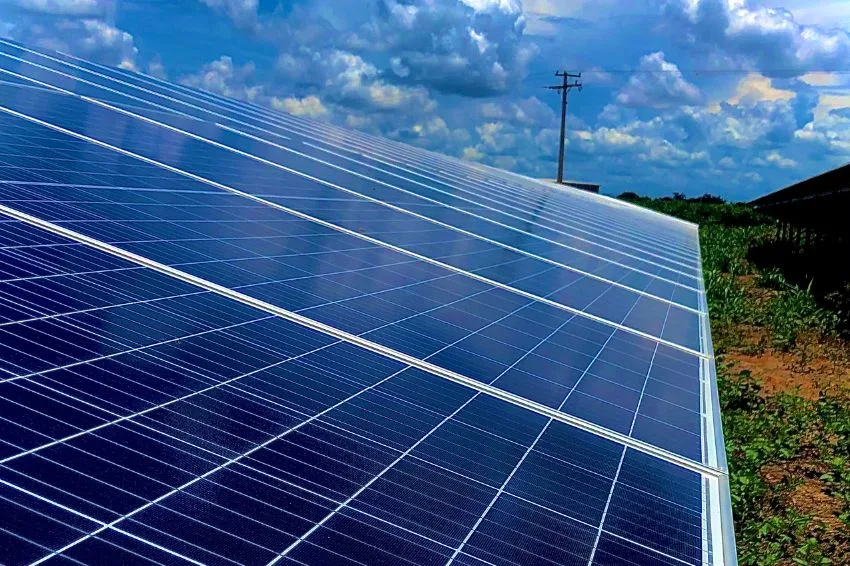
According to estimates by the Swiss bank UBS BB, the energy sector should continue to be the protagonist in investments in M&A (mergers and acquisitions) in 2025, with a forecast of moving up to R$120 billion.
In addition, additional resources are expected to be allocated to energy auctions, improvements to already operational projects, increased production capacity and, to a lesser extent, the expansion of electricity generation.
Over the last ten years, in the renewable energy sector alone, mergers and acquisitions reached approximately R$50 billion in Brazil, according to CELA (Clean Energy Latin America).
Between 2014 and 2023, for example, there was an increase of more than 400% in the number of transactions mapped annually and a growth of more than 8 times in the total capacity (GW) transacted.
Mergers and acquisitions in the renewable sector total R$50 billion in agreements in Brazil
Importance of Due Diligence
With the energy market increasingly booming these days, it is essential that investors have the security that the parks acquired will guarantee the expected return.
Due Diligence is a detailed investigation and audit process that aims to evaluate the financial, legal, operational and commercial aspects of a company or asset before a transaction, such as an acquisition or merger.
In the world of photovoltaic systems, this process aims to ensure that the project in which one wishes to invest provides the expected return to the investor. In other words, it serves to verify whether it is technically viable, financially sustainable and safe from a regulatory point of view.
Due Diligence: an essential process for safe and sustainable investments
“Due Diligence is not mandatory by regulation, but it is an essential tool for those who invest in the acquisition of a generation asset, helping to mitigate risks, validating the real chances of the asset returning the expected value, providing greater security for the investor. In fact, it is already something widely used by the financial market, given the risks present in operations of this type”, said Geraldo Silveira, Engineering Manager at CS Consultoria and professor at Canal Solar.
“This is a thorough inspection that takes place at the plant, covering various aspects, such as technical, financial, regulatory (legal and tax) and environmental. The objective is to ensure that there are no risks that could compromise the return on investment,” he highlighted.
According to Silveira, initial planning is essential to perform Due Diligence. “A specific checklist is normally used for the assets under analysis, both for the technical, financial and regulatory aspects. This checklist must be very well structured to ensure that all necessary checks are carried out,” he concluded.
all the content of Canal Solar is protected by copyright law, and partial or total reproduction of this site in any medium is expressly prohibited. If you are interested in collaborating or reusing part of our material, please contact us by email: redacao@canalsolar.com.br.


Comments
Comments are moderated before publication.Comments should be respectful and contribute to a healthy debate. Offensive comments may be removed. The opinions expressed here are those of the authors and do not necessarily reflect the views of the author. Canal Solar.