


The photovoltaic solar energy sector in Brazil has shown significant growth in recent years, driven by a combination of regulatory incentives, reduced technological costs and growing environmental awareness.
However, while many professionals in the field still focus exclusively on installing systems, it is essential to recognize that new market demands are opening doors to a series of opportunities beyond “install and leave”.
This article explores these new perspectives, highlighting products, services and business models that are shaping the future of the industry.
1. More than installation: the evolution of services
Traditionally, the focus of solar photovoltaic energy has been the installation of DG systems (distributed generation). However, market maturation has revealed a growing demand for services that guarantee the longevity and efficiency of these systems.
Predictive and corrective maintenance
With the expansion of the installed base, companies that offer monitoring and preventive maintenance services find themselves in a booming market. Technological solutions such as drones for thermal inspection and IoT (Internet of Things) tools are revolutionizing this segment.
Retrofit of old systems
Many systems installed in recent years are becoming obsolete in the face of technological advances. Companies that offer updates and improvements to existing systems have stood out.
2. New products for a more demanding customer
Today’s customers aren’t just looking to save on their energy bills; they want integrated, customized solutions that meet their specific needs. This has opened up a range of new products.
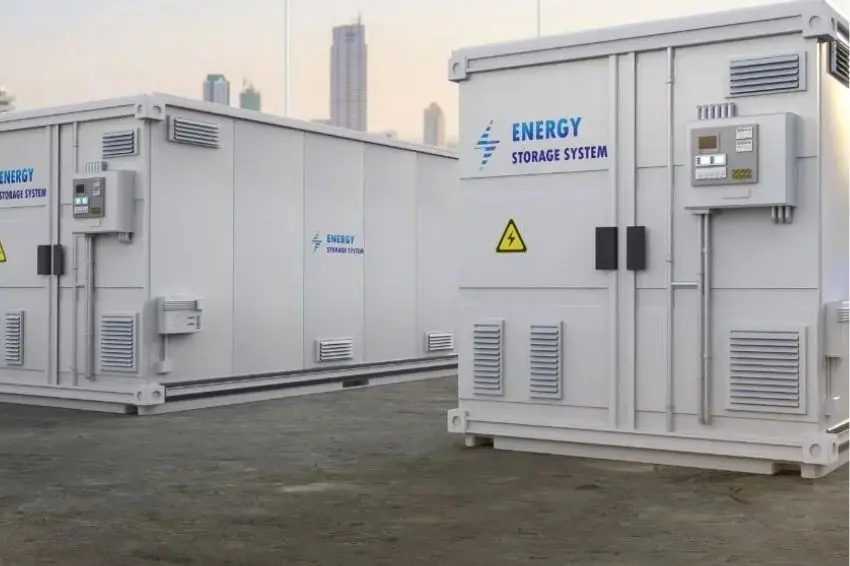
Energy Storage Solutions
The growing popularity of stationary batteries is a clear example. Combined with photovoltaic systems, they allow greater energy independence and help mitigate intermittency problems.
Vehicle chargers
With the rise of electric vehicles in Brazil, solar chargers for residential and commercial use are becoming highly demanded items.
Microgrids and autonomous systems
Customers in remote regions or with poor electrical infrastructure are adopting microgrids, which combine solar energy, storage and generators to ensure constant supply.
3. Innovative business models
The search for more sophisticated solutions is encouraging the development of new business models that go beyond the direct sale of equipment.
Energy as a Service (EaaS)
Subscription-based models, where the customer pays only for the use of the energy generated, are gaining traction, especially in the commercial segment.
Energy communities
Solar energy cooperatives or consortia are emerging as viable solutions for small consumers, allowing them to share the benefits of a larger system.
Energy efficiency consultancy
Companies that help customers optimize consumption before installing solar systems can add significant value and stand out in the market.
4. Sustainability and regulation as drivers of change
The growing focus on sustainability and regulatory changes are creating new incentives for the solar sector.
Carbon credits
Companies offering carbon credit management services can capitalize on this growing trend.
Environmental certifications
Solutions that help customers obtain certifications such as LEED (Leadership in Energy and Environmental Design) are also on the rise.
– Incentives for community energy: Regulations that promote energy sharing can pave the way for new collaborative business models.
5. Technological innovation driving the market
Technological innovations have played a central role in the growth of the solar sector. More efficient devices and integrated solutions are redefining what is possible in the market.
Integration with energy management systems
IT solutions that combine data analysis, artificial intelligence and automation allow you to optimize consumption and identify energy saving opportunities in real time.
Smart Monitoring Software
Systems that integrate real-time monitoring and predictive analytics are optimizing operations and maintenance.
Integration with IoT
The combination of connected devices allows customers to monitor and control their energy consumption in a more effective and personalized way.
Conclusion
Solar energy in Brazil is at an inflection point. Industry professionals who can look beyond traditional installation and offer integrated solutions, innovative products and customized services will lead the next chapter of this energy revolution.
Opportunities lie in every detail: in optimizing systems, in creating business models that deliver real value. Now is the time to transform potential into lasting impact.
The opinions and information expressed are the sole responsibility of the author and do not necessarily represent the official position of the author. Canal Solar.





An answer
I liked the article! Congratulations!