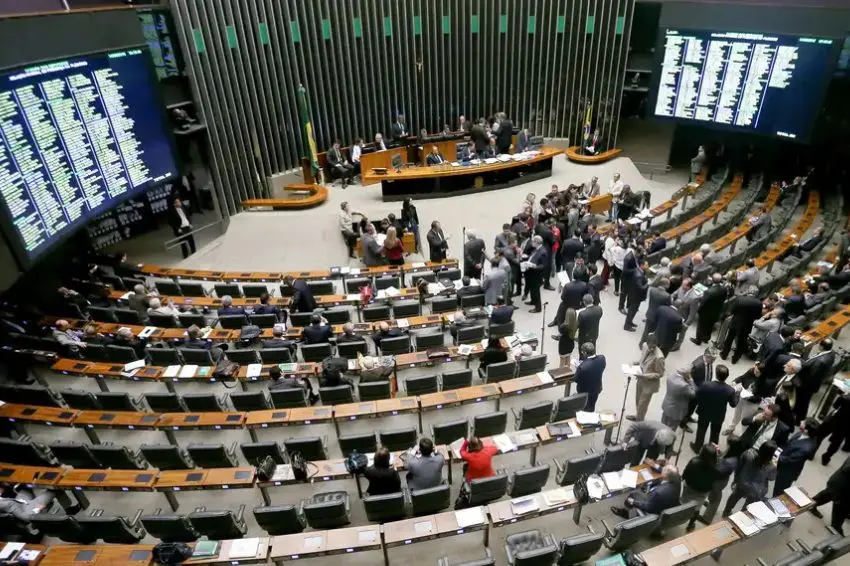

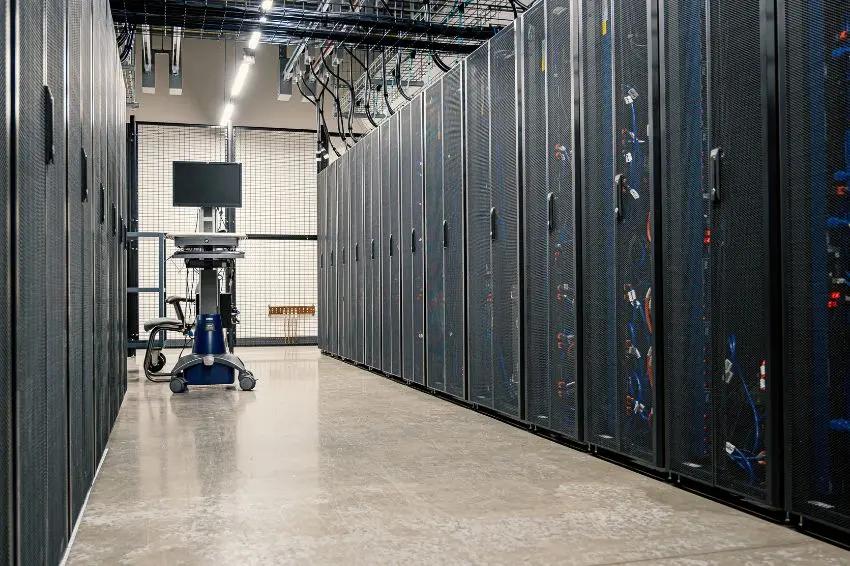
Efforts to unblock the voting on Bill No. 278/2026 in the Federal Senate, which recreates the Redata (Special Tax Regime for Data Center Services), are expected to gain momentum with the Senate President, Davi Alcolumbre.
The movement is being led by Abinee (Brazilian Association of the Electrical and Electronic Industry), which seeks to accelerate the analysis of the proposal, stalled in the Senate since the end of February.
The project gained relevance after the expiration of Provisional Measure 1.318/2025, which had originally created the special regime aimed at stimulating the installation and expansion of data centers in the country.
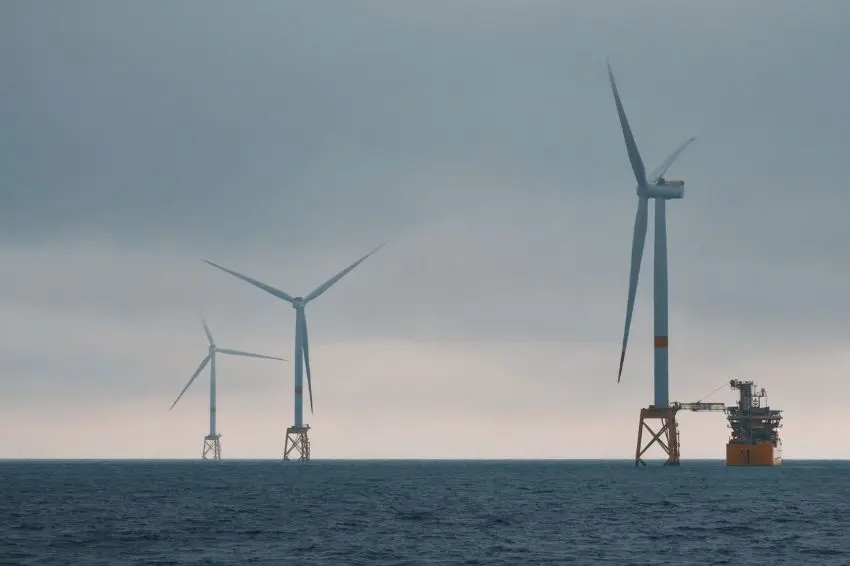
The expansion of data centers has also been linked to the potential to boost new investments in renewable energy generation in Brazil.
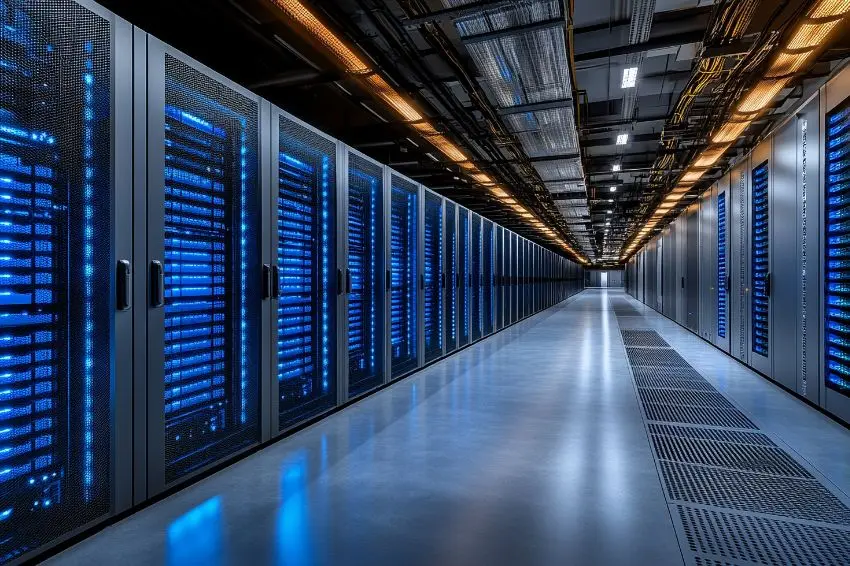
This is because these structures demand large volumes of electrical energy continuously, creating significant loads for the system and increasing the predictability of long-term consumption.
According to industry assessments, this growth in demand could favor the economic viability of new clean energy generation projects, especially wind and solar, as well as stimulate bilateral contracts in the free market aimed at supplying renewable energy for large-scale digital operations.
Reunion Island
Coordination with the Senate was one of the topics discussed at a meeting held on Tuesday (12) in Brasília, between executives from Abinee, the Vice President of the Republic, Geraldo Alckmin, and the Minister of Development, Industry, Trade and Services, Marcio Elias.
Representatives from member companies such as Cisco, Dell, Flextronics, Foxconn, HPE, Lenovo, and Positivo participated in the meeting.
During the hearing, executives defended the importance of resuming Redata as a tool to expand investments in digital infrastructure and strengthen the national industry linked to the data center sector.
According to the organization, business representatives emphasized that, even without the final approval of Provisional Measure 1.318/2025, measures adopted by the government, such as the increase in import tax on civil servants, helped to expand the competitiveness of national production of equipment aimed at the segment.
The assessment presented to the government is that Brazil already has virtually all major global manufacturers of data storage equipment installed locally, which would allow the country to meet the future expansion of the data center market.
At the end of the meeting, Vice President Geraldo Alckmin pledged to address the issue directly with Davi Alcolumbre and expressed optimism regarding the possibility of the project moving forward in the Senate.
MP of Redata
Redata was originally created by Provisional Measure No. 1.318/2025, which established a special tax regime for data center services.
The proposal called for the suspension of taxes on the acquisition of equipment and information technologies used in these structures, including servers, cooling systems, and network infrastructure.
In addition to tax incentives, the measure established requirements for companies interested in joining the program, such as investments in research and development, environmental sustainability criteria, and compliance with safety and operational standards.
Among the objectives stated by the government were attracting private investment, reducing the sector's operating costs, encouraging the repatriation of digital cargo hosted abroad, and strengthening Brazilian digital sovereignty.
Despite the importance attributed to the program by the productive sector, the Provisional Measure lost its effectiveness on February 25, 2026, after failing to be converted into law within the constitutional deadline.
Digital infrastructure
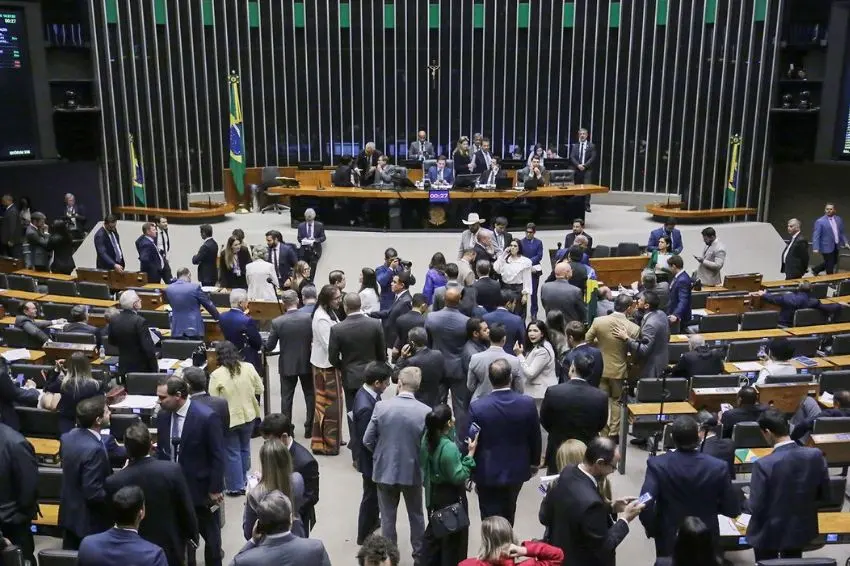
Given this, Bill 278/2026 became the main legislative instrument to try to reinstate the incentives provided for in the Redata program. The text made progress in the Chamber of Deputies, but remains without a vote in the Senate.
Abinee's mobilization comes at a time of growing global demand for digital infrastructure, driven by the expansion of cloud computing, artificial intelligence, and data storage, increasing pressure on Brazil to advance policies to attract investment to the sector.
You may also be interested
all the content of Canal Solar is protected by copyright law, and partial or total reproduction of this site in any medium is expressly prohibited. If you are interested in collaborating or reusing part of our material, please contact us by email: redacao@canalsolar.com.br.