The Brazilian Federal Prosecutor's Office (MPF) has asked the Federal Court to immediately suspend the acts of approval, awarding, and signing of contracts for the LRCAP (Auction of Reserved Capacity in the form of Power), increasing institutional pressure on one of the largest auctions in the Brazilian electricity sector.
The statement was presented by federal prosecutor Luciana Loureiro de Oliveira in a lawsuit filed by Abraenergias against the auction held in March.
The competition schedule anticipates approval and awarding of contracts between the end of May and the beginning of June, with the signing of contracts 25 days later.
According to the Federal Public Prosecutor's Office, doubts about the legality of the model and the contracted prices need to be clarified before the final formalization of the contracts.
The prosecutor argues that the temporary suspension would not compromise the security of the electrical system in the short term and states that "on the contrary, not granting the injunction risks making the tariff loss that is being sought to be combated concrete and insurmountable."
Questions
LRCAP has contracted approximately 19 GW of power from natural gas and coal-fired thermal power plants, as well as hydroelectric plants, through contracts of up to 15 years. This model has been criticized for its potential tariff impact, estimated at at least 10% on electricity bills.
One of the main points questioned is the significant increase in the auction's maximum price. According to documents presented to the court, the value practically doubled in just three days, going from approximately R$ 300 billion to over R$ 500 billion after a review conducted by the MME (Ministry of Mines and Energy).
There is also criticism of the low discount observed in the auction, approximately 5%, indicating that the bids were very close to the maximum allowed. For the plaintiffs, this raises doubts about the competitive effectiveness of the model adopted.
Another central point of criticism involves the prioritization of fossil fuels over storage technologies, such as batteries. The criticism argues that both thermal power plants and storage systems could help reduce the risk of blackouts, but with distinct environmental and economic impacts.
Justice demands explanations.
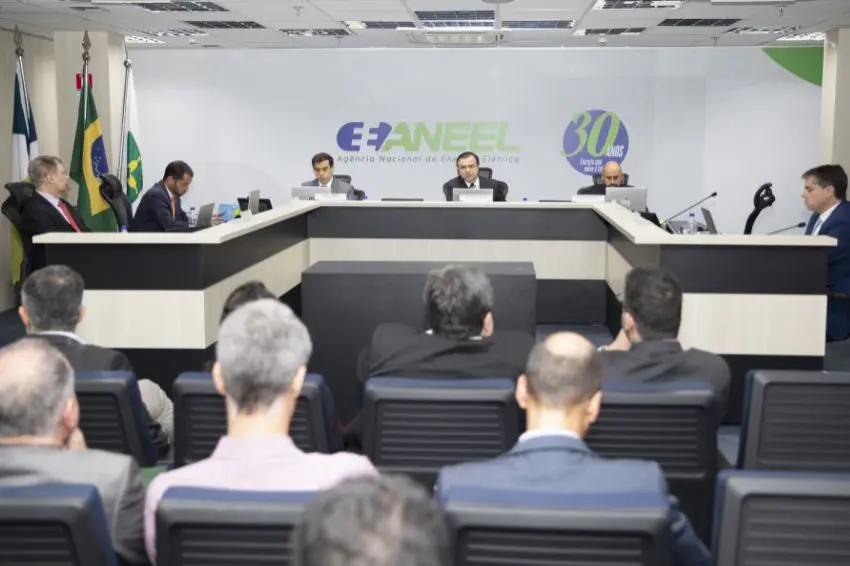
In the judicial context, Federal Judge Manoel Pedro Martins de Castro Filho set a 48-hour deadline for the Union to... ANEEL (National Electric Energy Agency) and EPE (Energy Research Company) should comment on the questions raised.
The Federal Public Prosecutor's Office (MPF) is requesting that the government present impact studies of the auction, a calculation breakdown justifying the increase in the price ceiling, explanations regarding the choice of thermal power plants instead of batteries, and clarifications on the competitive model adopted in the bidding process.
In response, the Ministry of Mines and Energy (MME) stated that the auction was conducted "in strict compliance with all technical and legal requirements" and informed that it will provide the necessary clarifications to the oversight bodies.
Pressure from Congress
In parallel with the actions of the Federal Public Prosecutor's Office, the National Congress had already been expanding initiatives against the completion of the LRCAP.
Representative Danilo Forte filed a request to expedite the processing of the PDL No. 2.608/2026which proposes to halt the auction. The intention is to take the text directly to the Chamber's plenary session, without prior analysis by the committees.
Authored by Representative Marcel van Hattem and other parliamentarians, the draft bill (PDL) brings together arguments similar to those presented in the lawsuits. Among them are allegations of favoritism towards fossil fuels, absence of Regulatory Impact Analysis (RIA), abrupt increase in the price ceiling, and possible violation of the principles of tariff moderation and environmental protection.
all the content of Canal Solar is protected by copyright law, and partial or total reproduction of this site in any medium is expressly prohibited. If you are interested in collaborating or reusing part of our material, please contact us by email: redacao@canalsolar.com.br.