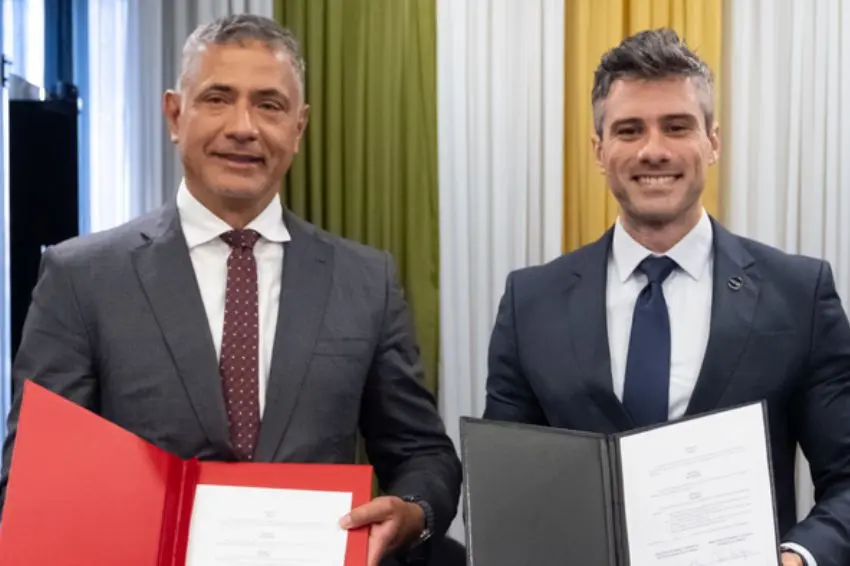

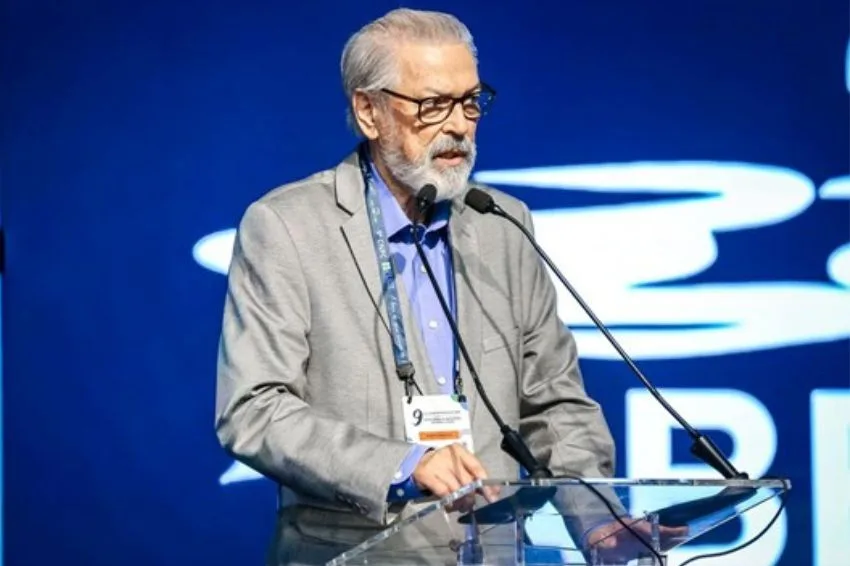
ERCAP (Capacity Reserve Charge) could exceed R$150 billion in the coming years, according to an assessment by Mário Menel, president of FASE (Forum of Associations of the Electric Sector), during the opening of the 9th National Conference of Small Hydroelectric Plants and Small Hydroelectric Power Plants, promoted by ABRAPCH, in Foz do Iguaçu, on Tuesday (24).
According to him, without structural adjustments to the contracting design and cost allocation, the charge tends to put pressure on tariffs and compromise the sector's competitiveness. "It is essential that there be dialogue and consensus-building between the government, regulators, and private agents to avoid distortions that further increase energy bills," the executive stated.
The ERCAP program remunerates power plants (mostly thermoelectric plants) contracted to ensure power, operational flexibility, and security for the SIN (National Interconnected System). To date, only one LRCAP (Capacity Reserve Auction) has been held, in December 2021.
Therefore, the financial impact is still considered limited: in January of this year, the charge totaled R$ 180 million, an amount shared between consumers in the regulated and free markets. This concern is heightened by the upcoming auctions scheduled for March (18th and 20th), which are expected to contract natural gas, coal, diesel, biodiesel, and hydroelectric plants under the capacity reserve modality.
In the LRCAP of December 21, 2021, 4,6 GW of thermoelectric availability was contracted, with supply originally scheduled for July 2026 – however, some projects brought forward their start-up to 2025.
Earlier this month, the sector was surprised by the ceiling prices set for the new auctions, initially considered below ideal, although aligned with the values practiced in 2021. After pressure from market participants, the government revised the amounts.
In the auction focused on natural gas, coal, and hydroelectric power plants, the ceiling price for new thermal power plants (products from 2028 to 2031) increased by 81,25%, rising from R$ 1,6 million to R$ 2,9 million per MW/year.
For existing thermal power plants (products from 2026 to 2031), the value increased from R$ 1,12 million to R$ 2,25 million per MW/year. For hydroelectric plants (products from 2030 and 2031), prices were maintained at R$ 1,4 million per MW/year.
In the auction for diesel and biodiesel-fired power plants, the adjustments were also significant. For the 2026 and 2027 products, the ceiling increased by 73,91%, from R$ 920 to R$ 1,6 million per MW/year. For the 2030 product, the increase was 76,8%, with the value rising from R$ 990 to R$ 1,75 million per MW/year.
The expectation is that the two auctions will result in contracts totaling approximately 20 GW. The Ten-Year Energy Expansion Plan (PDE 2034) already indicates the need for an additional 5.500 MW of power by 2028. EPE (Energy Research Company) received 368 registered projects for the auctions, totaling 125 GW of installed capacity.
In a note, the ABACE Energy It considers the capacity auction relevant for strengthening the security of the electrical system. At the same time, it assessed that the update of the ceiling prices was carried out based on the best available information, which may favor the competitiveness of the auction and broaden the participation of bidders.
However, for the consumersThe central element of this contract is the guarantee of effective competition. "In this context, the volume to be contracted by the Ministry of Mines and Energy constitutes the most sensitive variable. This auction represents neither the first nor the last opportunity for the country to contract flexibility."
The larger the volume, the greater the burden and, of course, the higher the cost for Brazilian consumers. For example, if the contract reaches 10 GW, the estimated impact is around R$ 45/MWh. If it reaches 15 GW, the tariff impact will be approximately R$ 67/MWh,” said the association representing large industrial energy consumers.
all the content of Canal Solar is protected by copyright law, and partial or total reproduction of this site in any medium is expressly prohibited. If you are interested in collaborating or reusing part of our material, please contact us by email: redacao@canalsolar.com.br.