
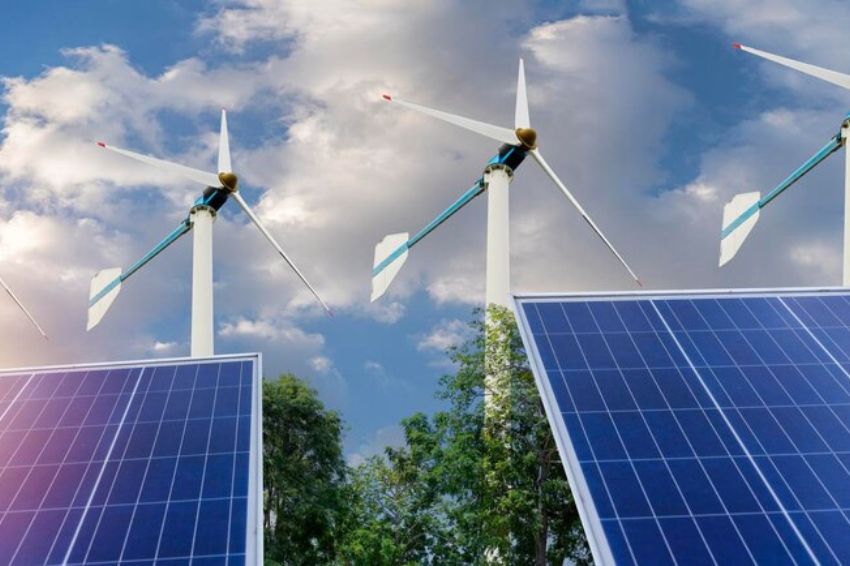
O Oil and Gas will become a part smaller and smaller part of the global matrix power up to 2050, while zero-carbon alternatives – such as solar and wind energy will continue to increase its penetration into the global electrical matrix, according to report released by BP this Monday (30).
According to the document published by the UK oil company, the participation of fossil fuels as a primary source of energy should fall from 80% in 2019 to 55% a 20% up to 2050, while the participation of renewables will grow from 10% to 35% to 65% in the same period.
It restructuring fundamental aspect of global energy markets is driven by three factors:
- Sustainability: An increasing focus on the need to slow global warming as extreme weather events become more common and obvious and citizens and customers demand action.
- Security: New desire by countries around the world to increase their energy security because of the Russian invasion of Ukraine.
- Accessibility: An ongoing effort to keep energy prices stable for consumers.
In a note published alongside the report, Spencer Dale, chief economist at BP, called these three factors “energy trilemma” and highlighted that the increase the carbon emissions and the increasing frequency of extreme weather events in recent years only reinforce the importance of actions that help the planet achieve carbon neutrality.
Solar and wind grow three times more than other energy sources
According to BP, the pace at which renewable energy are entering the global energy system is faster than any fuel earlier in history and that clean technologies are also fgetting cheaper due to the scale-up and government policies which increasingly include financial incentives.




Comments
Comments are moderated before publication.Comments should be respectful and contribute to a healthy debate. Offensive comments may be removed. The opinions expressed here are those of the authors and do not necessarily reflect the views of the author. Canal Solar.