

O MME (Ministry of Mines and Energy) published, this Monday (10), the Monthly Energy Bulletin referring to the month of July 2022.
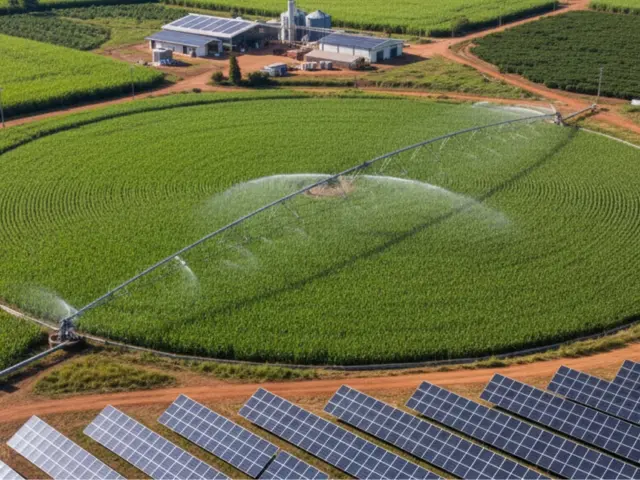
The publication presented tincrease of more than 80% in the installed capacity of photovoltaic source referring to DG (distributed generation) compared to the previous year.

According to the MME, the strong increase in GD is reflection of public incentive policies renewable energy sources and distributed micro and minigeneration, such as Law No. 13.203 / 2015 and Law No. 14.300 / 2022.
Other data
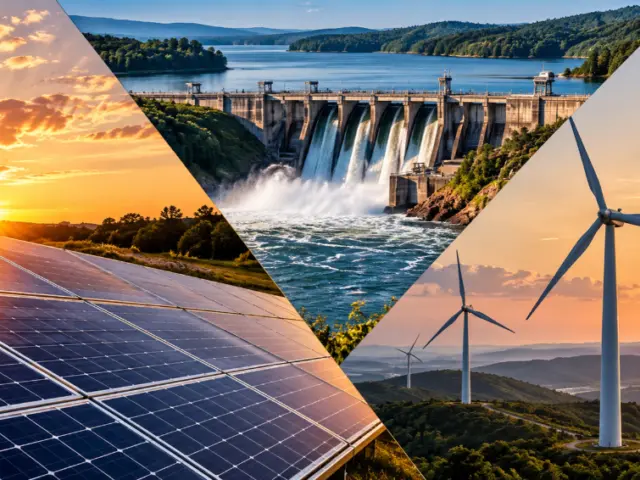
The supply of hydraulic energy continues to show a growth trend, of 7,6% in the year, even with a decline in imports from Itaipu, of 13,8%.
Added to the decrease in the consumption of natural gas for electrical generation and the resumption of the share of sugarcane products, a scenario of decreasing share of fossil thermoelectric plants is presented.
According to the Authority, this factor generates lower losses during generation and impacts a lower growth rate of OIE (Internal Energy Supply) when compared to CFE (Final Energy Consumption).
Therefore, for 2022, it is estimated that the OIE will grow by around 0,9%, while the CFE would reach 2,8%, with renewables increasing in share, from 44,7% to 46,5%.
Internal Electricity Supply
For OIEE (Internal Supply of Electric Energy), there is a trend of increase of 2,1%, with renewables reaching a share of 84,5% in the year. Before the Complementary Law 194 / 2022, with a change in the incidence of ICMS, the price of electricity tariffs continues to fall.
In relation to the month of July last year, the Ministry stated that there was a reduction of 10,5%, 8,0% and 6,1% for the residential, commercial and industrial sectors, respectively. When compared to the previous year, rates are still high.



Comments
Comments are moderated before publication.Comments should be respectful and contribute to a healthy debate. Offensive comments may be removed. The opinions expressed here are those of the authors and do not necessarily reflect the views of the author. Canal Solar.
Comments on this article are closed.