
The construction of solar power plants in landfills It is still something little explored in Brazil, with very few plants being developed due to the complexity of a project with these characteristics.
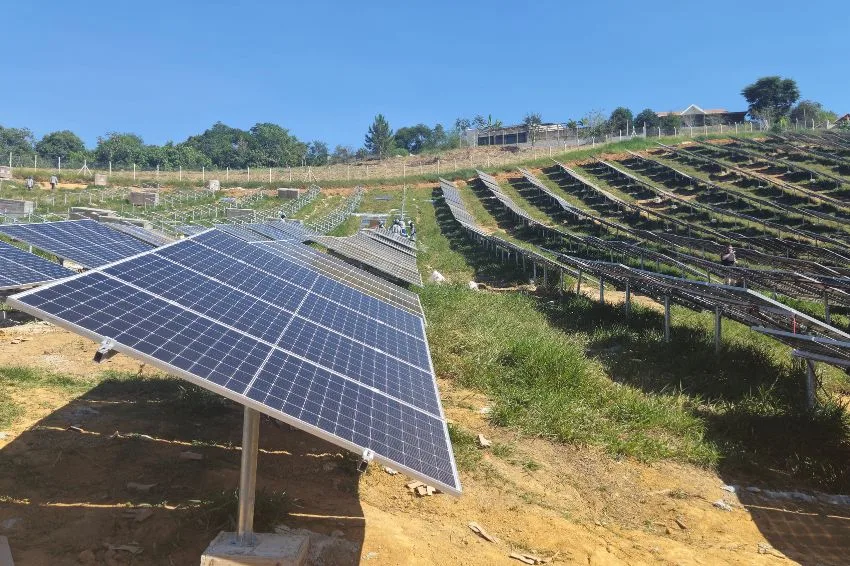
In March this year, the first Latin American solar plant on top of a deactivated landfill was opened in the city of Curitiba (PR).
In the municipality of Santo André (SP), a complex of the same nature is in the final stages of construction and also will begin operations by the end of this year.
With an investment of more than R $ million 42, the São Paulo plant will have the capacity to generate 517,7 MWh per month and a savings of R$138 million to the public coffers of Santo André for 30 years.
In total, the plant should generate enough energy to reduce Santo André City Hall's spending on electricity by up to 30%. O payback – time to pay the installation cost – will take up to seven years.
The hiring of suppliers for the construction, operation, management and maintenance phases of the complex took place through a bidding process, which began in August 2022. The winning company of the competition was Consórcio Hélios, which hired the NTC Somar to provide the fixing structures.
Ao Canal Solar, the company reported how the process went and what challenges were encountered in developing a solution that met the particularities of the four solar plants that make up the entire complex.
Construction phases
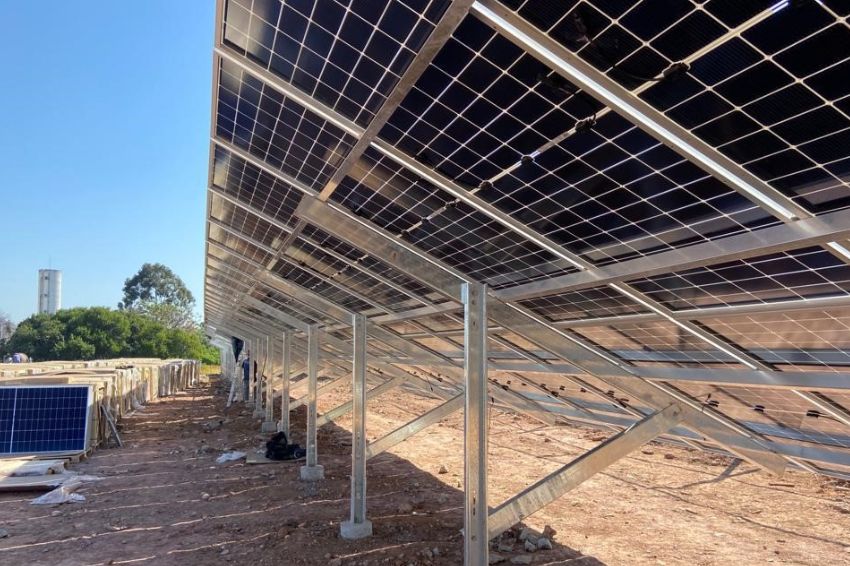
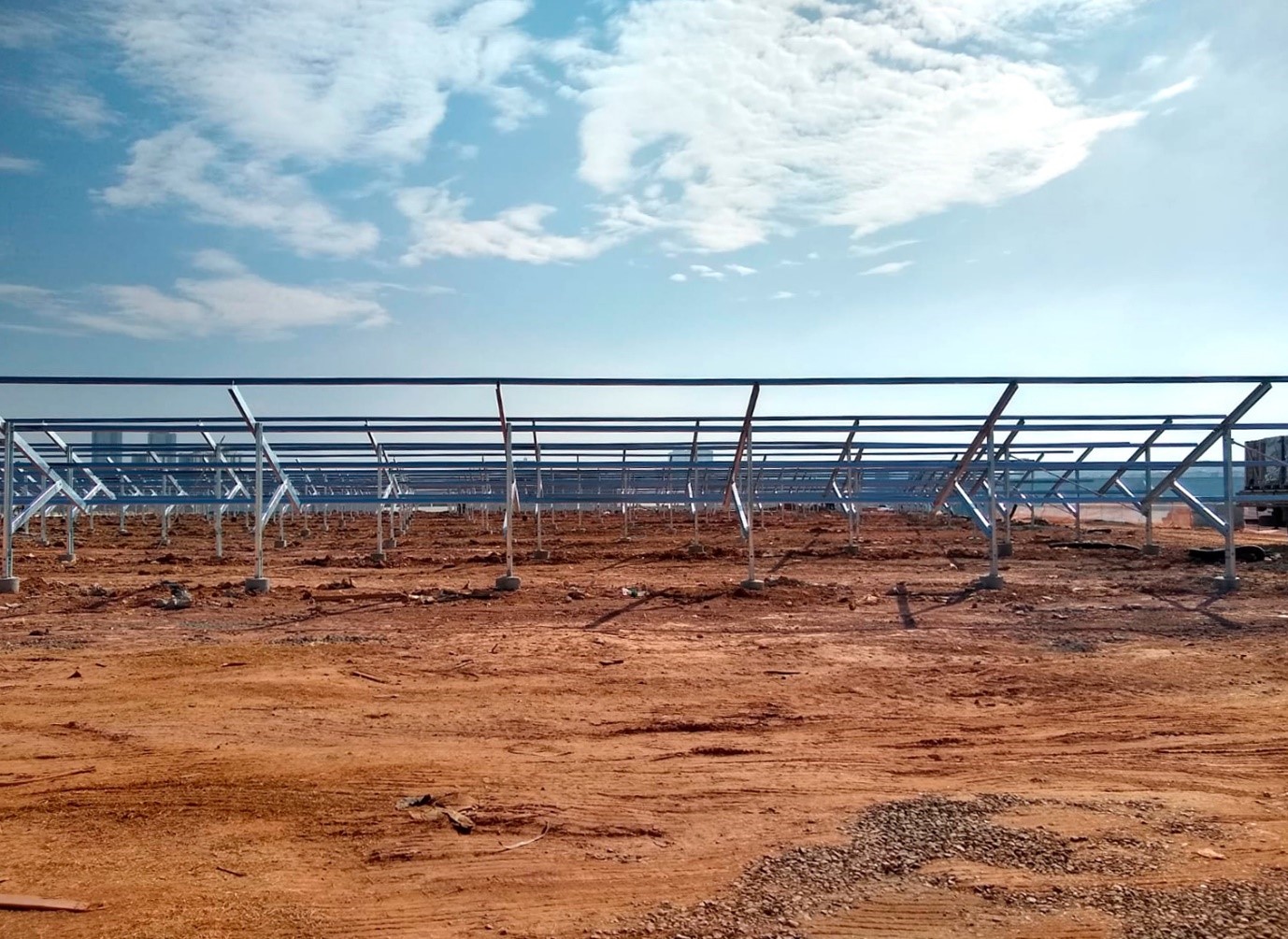
According to NTC Somar, after carrying out topographical studies, marking and alignment of the land by a company hired by the bidder, the foundation was laid, the first pillars were concreted and pull-out tests (Pull Out Test) were carried out, which had the objective main purpose of verifying the behavior of structures working in extreme conditions.
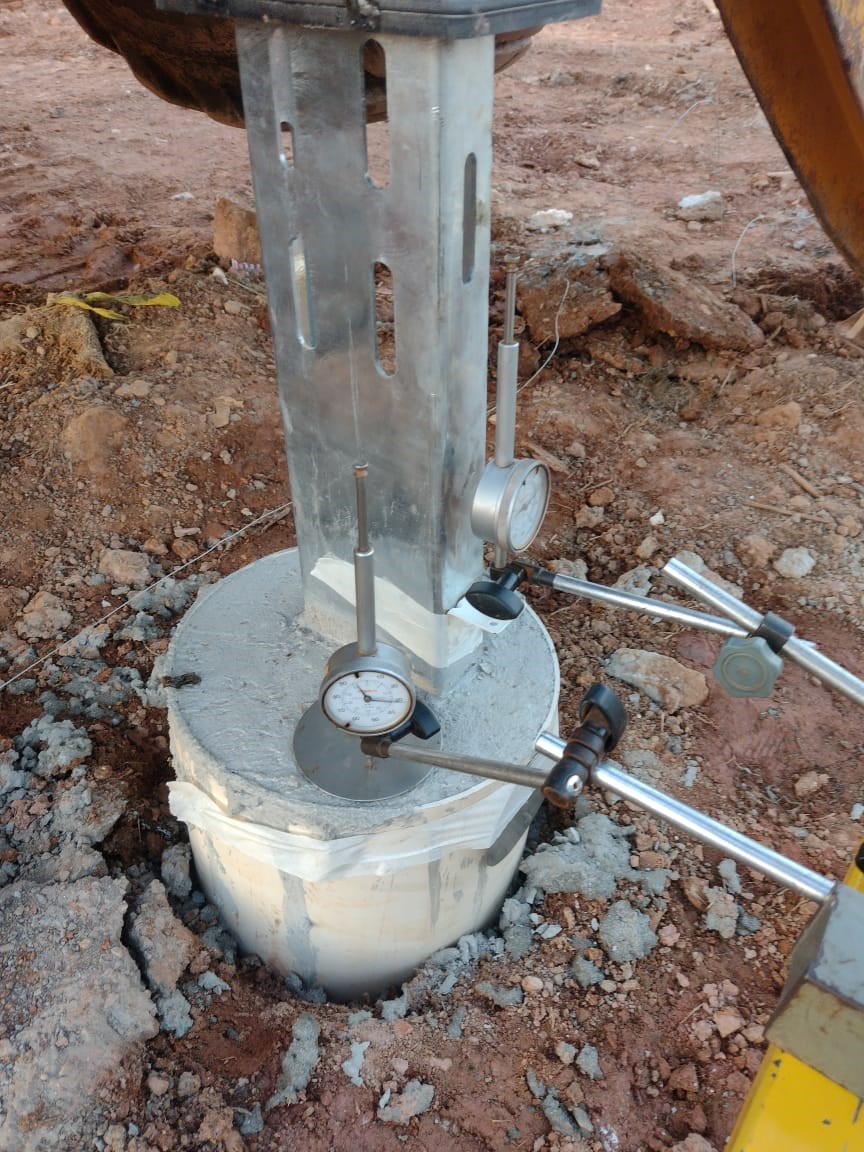
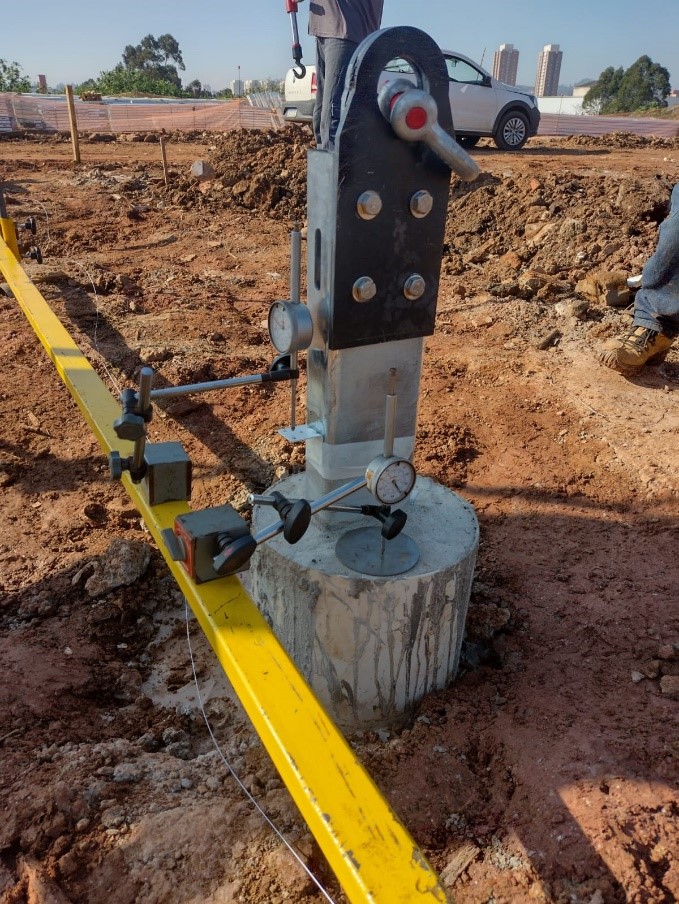
“As the land chosen for the implementation of solar plants can present high values of vertical displacements over time due to the compaction and compressibility of waste, the so-called settlements, a solution was needed that adapted to these conditions”, explained the company.
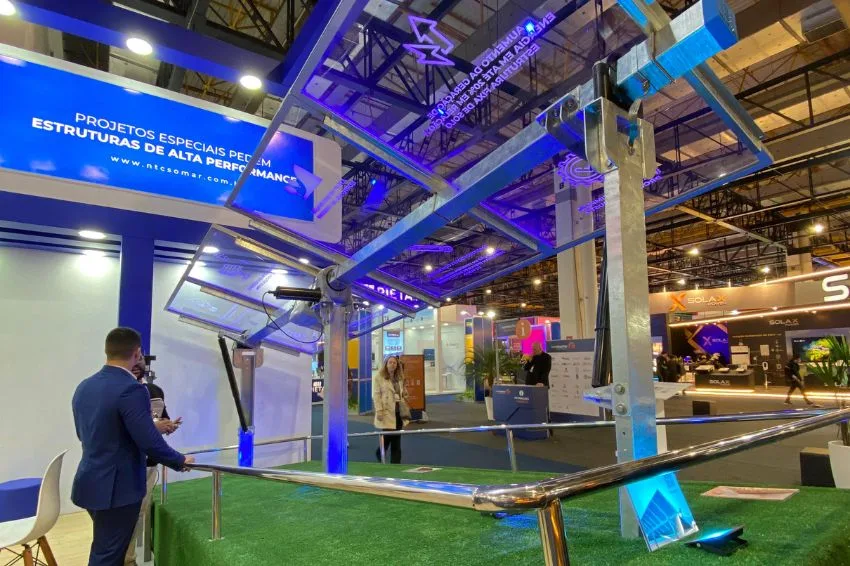
Faced with this situation, NTC Somar developed telescopic pillars to deal with the challenges of instability on the landfill site. The forecast is that, in 10 to 20 years, the soil will sink by around 5 or 10 cm.
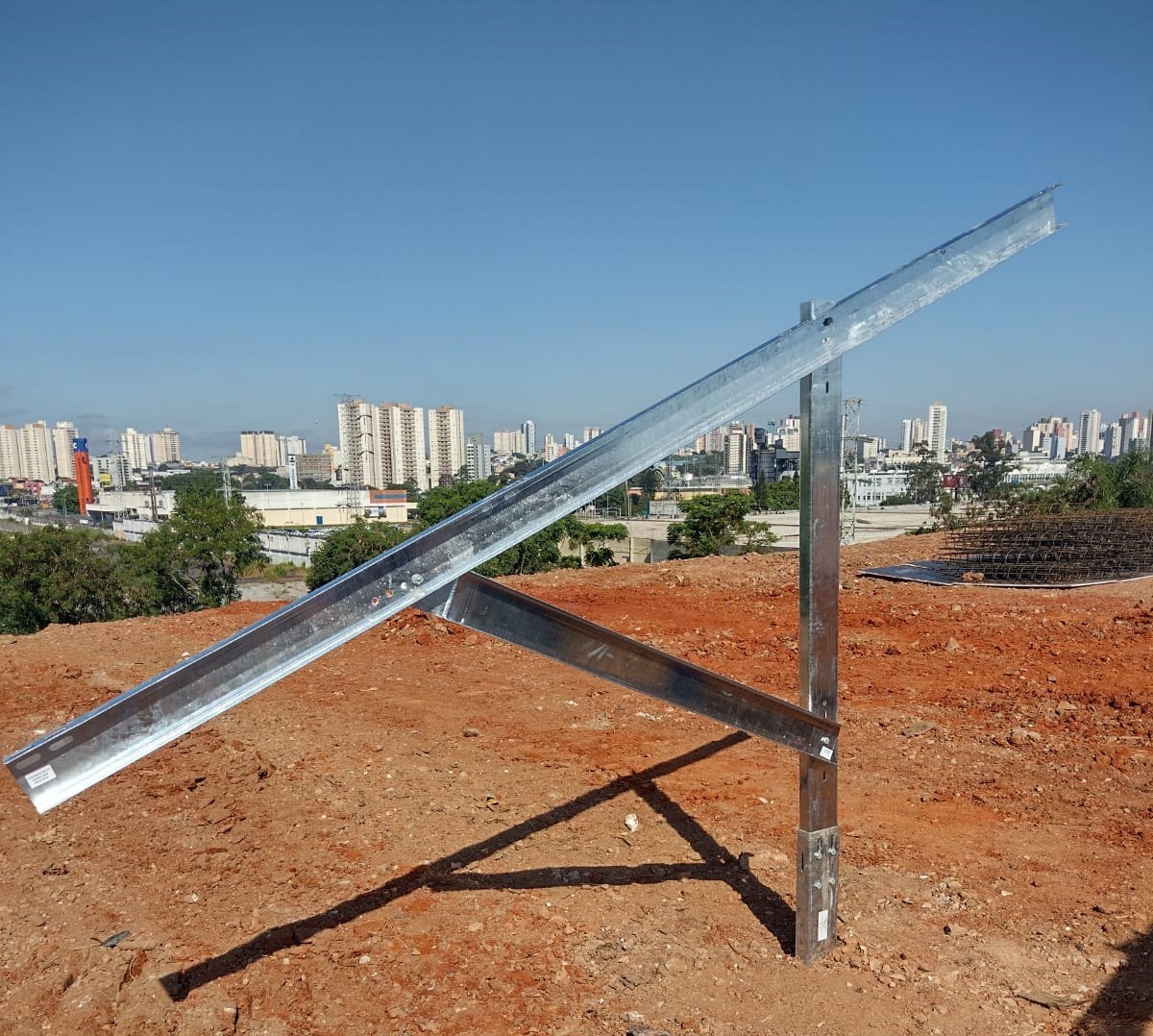
“We overcame a complex premise: the foundations, which over the course of the structure's useful life may suffer displacements due to soil accommodation. The telescopic pillars, together with the anticipated assembly resources, enable future adjustments to the structural system,” he said. Paulo gomes, engineer at NTC Somar and responsible for the structures.
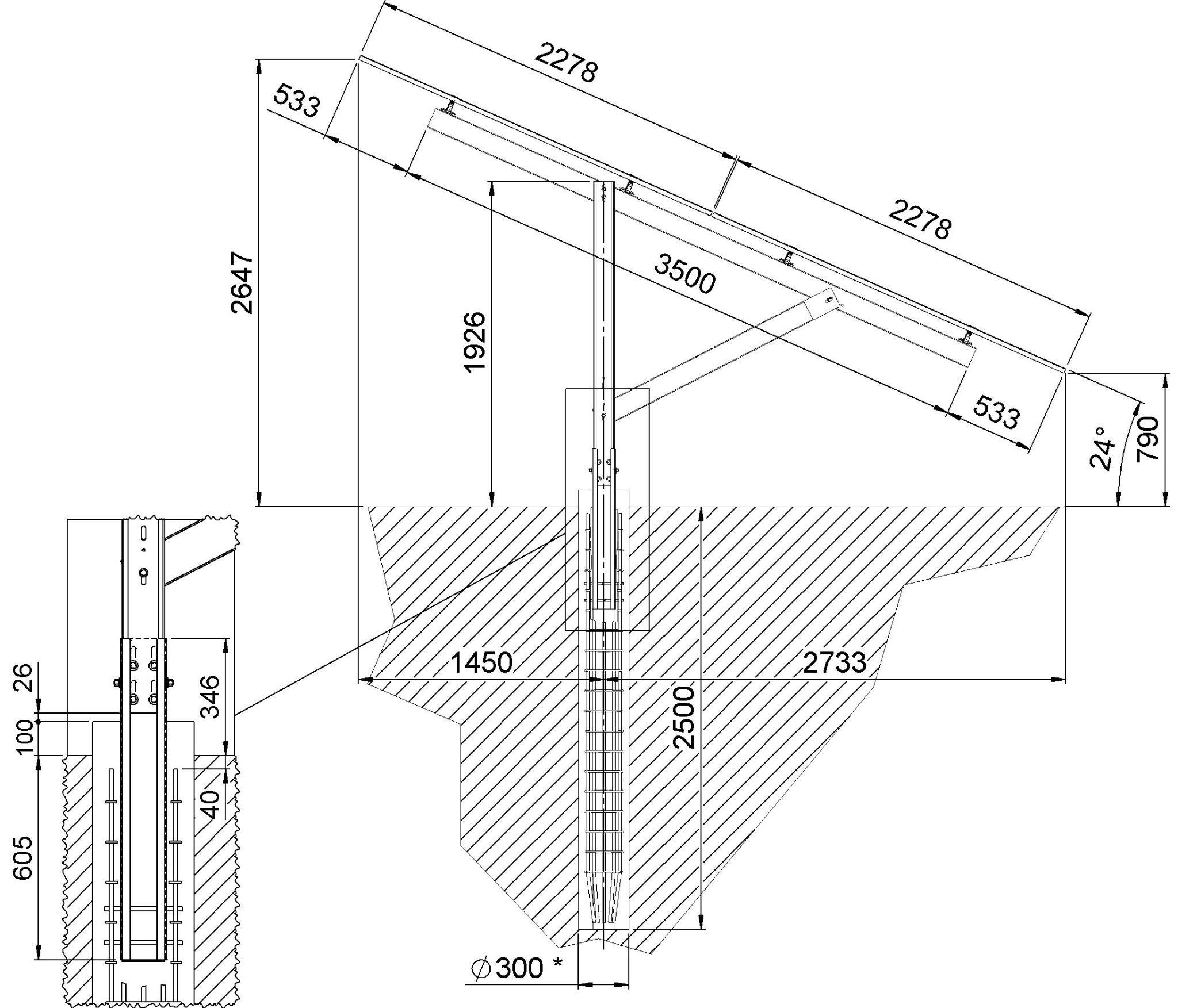
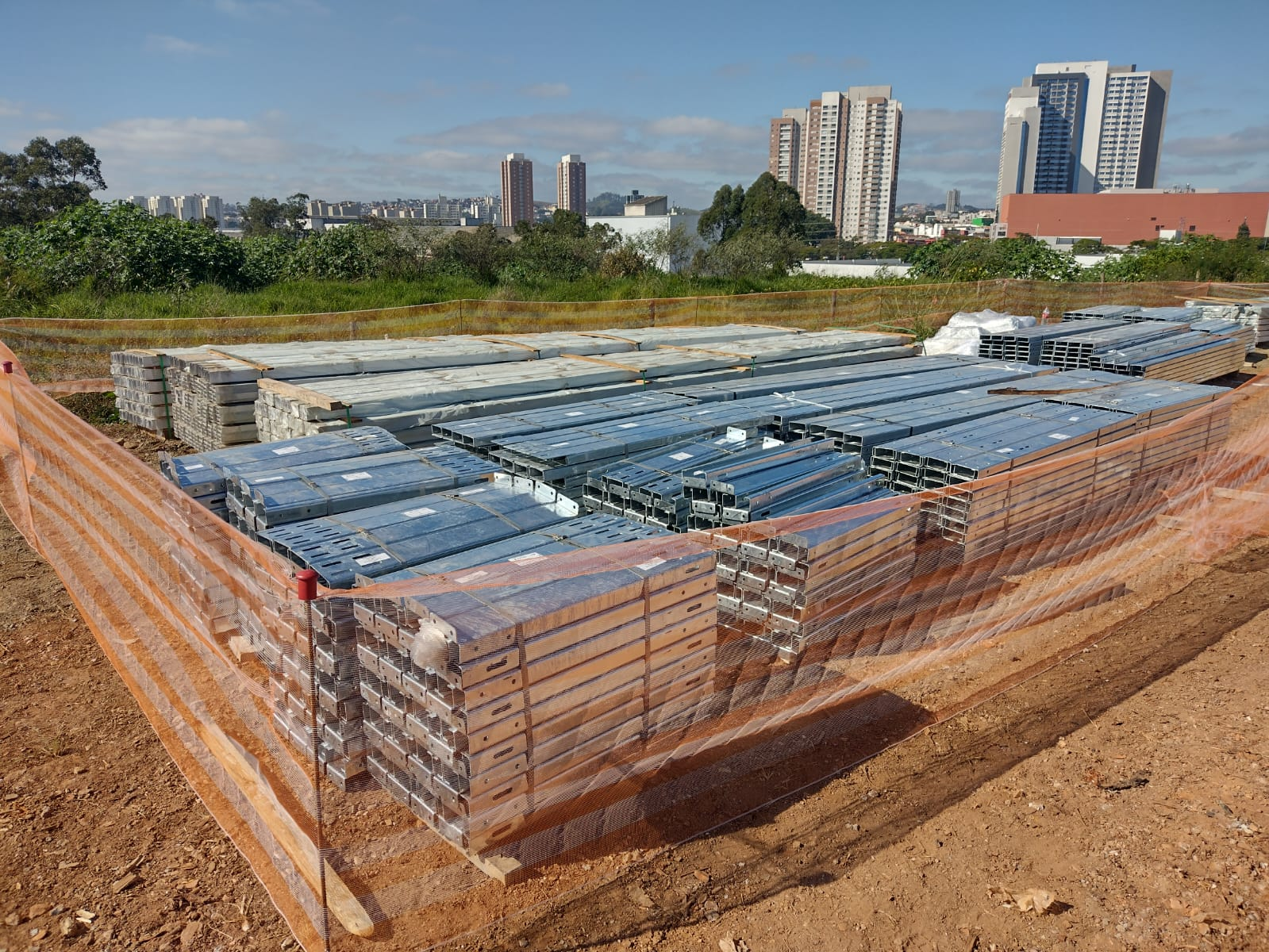
In the first stage of the project, more than 800 telescopic pillars were delivered by NTC Somar to fix more than 4,1 photovoltaic modules. In total, 8,82 solar panels will be installed in areas that, together, total 56 square meters.
Complexity in implementing a solar plant on a landfill
From a geotechnical engineering point of view, long-term settlement is one of the biggest impediments to the viability of a solar plant in a landfill, as the integrity of the photovoltaic components is put to the test with the existing displacements. Only with projects specially formulated for each piece of land is it possible to make a project of this size viable.
Photovoltaic plants on landfill: how to make them viable?
The first step in studying the feasibility of building a photovoltaic plant in a landfill is to collect as much information as possible about the area, such as the type of landfill available and local regulations, as only sanitary landfills offer the possibility of implementing a project with this complexity.
Sanitary landfills are covered with earth and subsequently compacted with appropriate machinery, as this minimizes the proliferation of diseases and bacteria. One characteristic is that there is low slope/steepness precisely because of compaction.
Generally, this type of land is owned by public authorities and located close to areas with high energy demands. So, municipal bodies themselves are already seeing the advantages of having solar plants on landfills. Among them, the generation of jobs, the strong sustainable appeal, the use of profitable technologies and the low cost of land.
“Hiring reliable and established suppliers in the market is another crucial factor for the success of a plant like this. NTC Somar has years of history and purposeful engineering aligned with the relevant standards, in addition to having its products rigorously tested”, highlighted the company.
Today, Brazil still lacks public policies to ensure the correct disposal of solid waste. According to data from Abetre (Brazilian Association of Solid Waste and Effluent Treatment Companies), the majority of existing areas for this purpose are landfills.
The South region of the country has the highest rate of correct disposal, with around 80% of its waste going to landfills, followed by the Southeast region, with half that number.
“Choosing appropriate areas and carrying out clean management is the duty of governments, but the population can demand improvements such as the use of theoretically useless areas to implement sustainable actions for the environment, such as the installation of clean energy plants, aiming to reduce public spending. and job creation”, highlights the company.
Since 2015, NTC Somar has been developing structures for solar panels and photovoltaic fixing systems, providing the market with solutions for ground plants and all types of roofs and slabs. For more information visit the company's website.