
The increase in the volume of resources in the 2021/2022 Harvest Plan, focusing on small and medium producers and with an emphasis on sustainability, was well evaluated by professionals and entities in the renewable energy sector, especially solar.
Geovani Reis Magalhães, CEO of GSE Group Energia e Automação, highlights that the launch of this plan is always highly anticipated by rural landowners and that the values added in this new cycle, aimed at the renewable sector, came at a time when entrepreneurs needed it most .
“The 2021/2022 Harvest Plan is promising a lot at a time when we are looking for ways to encourage agribusiness. It’s a plan that always attracts the attention of producers, because of the extended payment terms of up to 12 years,” he said.
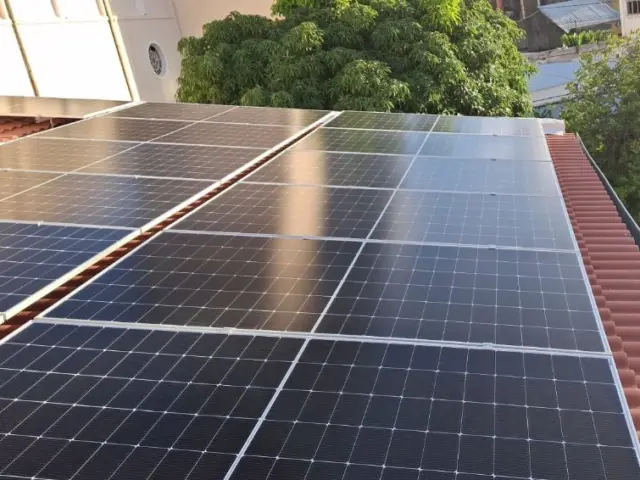
The executive assessed that the plan has everything to benefit the renewable energy sector, especially solar energy. “I believe that the Safra Plan will directly affect agribusiness investments and solar energy is an issue that will increasingly be in the sights of all consumers in the sector”, he commented.
The 2021/2022 Harvest Plan was launched by the Federal Government this week and will make R$251,2 billion available to support national agricultural production. This is a 6,3% increase compared to the previous harvest, which allocated approximately R$14,9 billion less. The new financing may be negotiated between July 1, 2021 and June 30, 2022. Interest rates vary between 3% and 8,5% depending on the credit line. (Check all the details).
Safra Plan Programs
According to ABSOLAR (Brazilian Association of Photovoltaic Solar Energy), the new edition has become “even greener with the strengthening of the ABC, Inovagro and Proirriga Programs”. The programs mentioned by the association include financing for the production of bioinputs, renewable energy and the adoption of conservationist practices for the management and protection of natural resources and irrigated agriculture.
In the ABC Program (Program to Reduce Greenhouse Gas Emissions in Agriculture) there was a 101% increase in the transfer of credits in relation to the previous plan. In total, there will be R$5,05 billion in resources – the largest volume in the program's history, with interest rates ranging from 5,5% and 7% per year.
Proirriga, a program aimed at financing irrigated agriculture, will have credits of R$ 1,35 billion, with interest of 7,5% per year. And Inovagro, aimed at financing technological innovations on rural properties, was left with R$2,6 billion and interest of 7%.
The 2021/2022 Harvest Plan also provides for financing for the acquisition and construction of bioinput and biofertilizer production facilities on rural properties for own use. Projects for the implementation, improvement and maintenance of systems for the generation of renewable energy, including solar energy, will also be financed. The collective credit limit for projects to generate electricity from biogas and biomethane will be up to R$20 million.




Comments
Comments are moderated before publication.Comments should be respectful and contribute to a healthy debate. Offensive comments may be removed. The opinions expressed here are those of the authors and do not necessarily reflect the views of the author. Canal Solar.