
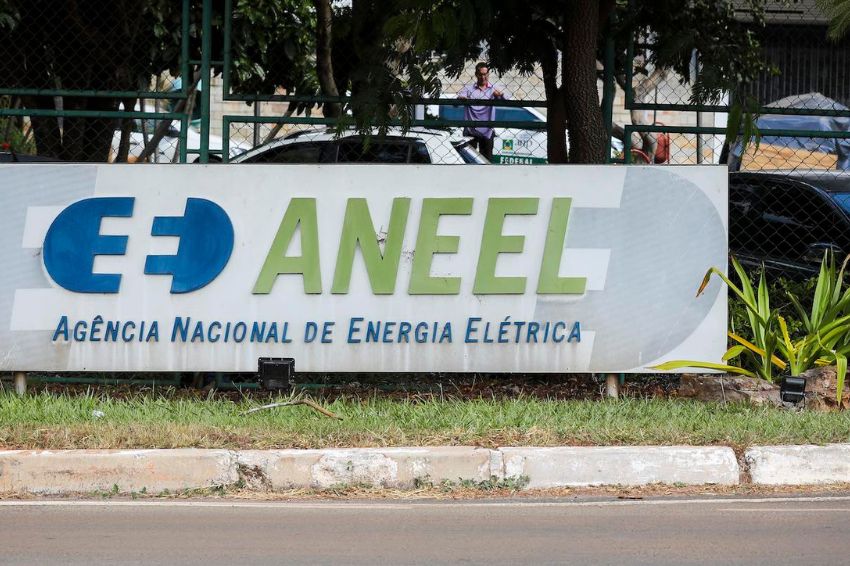
As accounts presented by ANEEL (National Electric Energy Agency), on the costs of own generation of renewable energy and the possible transfer to consumers via CDE (Energy Development Account), are incomplete.
We also pack any disregard the economic, social and environmental benefits of using solar energy on rooftops and small plots of land to the electricity sector, society and the country. The assessment is from ABSOLAR (Brazilian Photovoltaic Solar Energy Association).
According to the entity, in addition to the regulator's lack of transparency, which did not make the memory of the calculations presented available, the accounts actually indicate the financial volume that energy consumers will pay to protect distributors’ profit margins.
Law 14.300: ANEEL and CNPE do not meet established deadlines
Rodrigo Sauaia, executive president of ABSOLAR, emphasized that the association and the Brazilian photovoltaic sector work to ensure that the generation of solar energy is treated in a fair and balanced manner, as determined by the Law No. 14.300 / 2022.
“The benefits of DG (distributed generation) must be properly identified and incorporated into accounts and market regulations, as established by law”, he explained.
Recent study by specialist consultancy Volt Robotics, commissioned by ABSOLAR, indicated that the growth of photovoltaic generation should bring more than R$86,2 billion in systemic benefits in the electricity sector for Brazilian society in the next decade.
As a result, the research highlighted that distributed generation will reduce the electricity bill for all consumers, including those who do not have their own solar system, by 5,6% by 2031.
Subsidies separated by sources
When evaluating subsidies separated by sources that are present in the CDE, the ABSOLAR stated that the discrepancy becomes even more evident.
This year alone, Brazilian consumers will pay around R$11,9 billion in taxes for fossil fuel-based thermoelectric plants and almost R$1 billion for the coal sector, according to data from the company itself. ANEEL.
On the other hand, the benefits of solar were also measured during the serious water crisis that hit Brazil in 2021 and severely increased Brazilians' electricity bills, with the tariff flag at the highest level, the so-called “water scarcity flag”.
According to the MME (Ministry of Mines and Energy), the water crisis represented costs of around R$28 billion for consumers, which have not yet been fully paid.
Regarding the generation of solar energy alongside the load, that is, at the consumption sites themselves, an additional cost of R$ 13,6 billion was avoided, which could have come with more dispatch of expensive fossil thermoelectric plants for the energy supply.
If it weren't for consumers' own solar systems, the entity pointed out that the cost of the water crisis to the country would have been R$41,6 billion, around 48,6% more on Brazilians' electricity bills.
For Guilherme Susteras, coordinator of the distributed generation working group at ABSOLAR, the regulation of the legal framework is strategic for the future of self-generation of renewable energy in Brazil and fundamental for sustainable development.
“Therefore, it is necessary that the process of defining rules has an in-depth reflection that is compatible with the scope and importance of the topic for Brazilian society”, he highlighted.
“The idea is precisely to ensure that our own generation of renewable energy receives the correct, appropriate treatment and consistent with the country’s needs, in order to maximize the benefits they can provide to all citizens”, concluded Susteras.



Comments
Comments are moderated before publication.Comments should be respectful and contribute to a healthy debate. Offensive comments may be removed. The opinions expressed here are those of the authors and do not necessarily reflect the views of the author. Canal Solar.
Comments on this article are closed.