

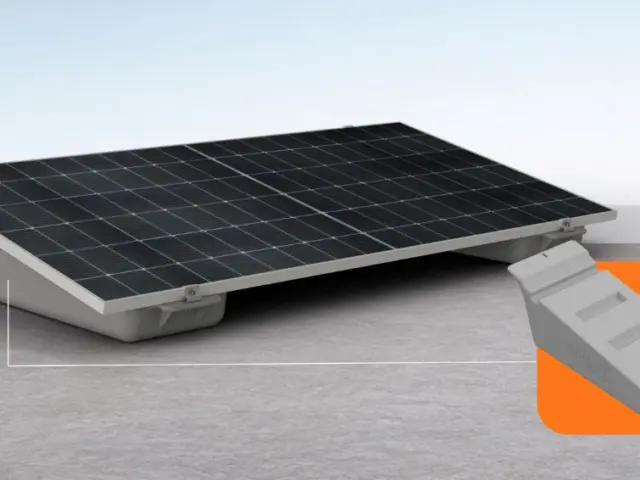
O Brazil broke the semi-annual record for imports of photovoltaic modules with 10,7 GW in the first half of 2024, an increase of 30% compared to the same period last year.
Of this amount, approximately 70 % (7,5 GW) were allocated to the DG market (distributed generation) and 30% (3,2 GW) for centralized generation plants.
The numbers are part of a new strategic study of greener and which was released in São Paulo (SP), this Monday (26).
The survey also identified that 99 companies supplied photovoltaic modules to the Brazilian market between January and June, with Jinko, JA Solar and Trina being the brands that most sell the equipment, respectively.
Many of these modules ended up being used in projects aimed at residential class, which grew again in 2024 due to factors such as lower equipment prices, a drop in interest rates and the gradual resumption of consumer interest.

In relation to final price, the study identified that residential and small commercial solar systems recorded a 6% drop in microgeneration and 15% in mining in projects above 150 kWp.
The decrease in the value of photovoltaic modules was one of the main factors that contributed to this reduction.
According to the study, a 4 kWp residential solar power system cost today on average R$ 11,7 thousand, almost four times less than in 2017, when the average value for acquiring the technology was around R$40 thousand.
A fall in the price of photovoltaic systemsFurthermore, it also improved the payback (return on investment time) of photovoltaic systems in Brazil in 2024, with a 10% reduction for local residential installations between January and June.
Ao Canal Solar, Márcio Takata, CEO of Greener, projected that the The country should also have a second half of excellent numbers for the sector, especially mining.
"Our expectation is that the market will accelerate in the second half of the year due to a payback more attractive and an important maintenance of the volume of financing for the end consumer”, he highlighted.
Search with integrators
The search of Greener also heard from integrator companies to obtain more qualified data on the performance of companies in the market. In total, there were 3.055 responses from all regions of the country between July 1st and 31st, 2024.
The research identified that the most companies (39%) has been on the market for at least five years and that only 7% started activities in the solar sector in 2024.
The regions with the highest number of members are the Southeast and Northeast, with 35% and 28% of companies in the sector, as shown in the image below:

In relation to company profile, the study identified that most companies have an average of nine employees, with 65% of companies having between one and five employees. Furthermore, only 4,4% of companies participating in the survey in 2024 are part of a franchise.
On average, the Brazilian integrators carried out a monthly average of 37 budgets made in the first semester, compared to 32 in the same period last year.
A average sales conversion rate was 14,9% – double the conversion rate recorded in the first half of 2023, indicating greater efficiency in sales conversion.
Still in relation to sales, 94,7% of integrators interviewed said they managed to make at least one sale during the first half of the year of 2024, the highest value recorded by the survey since 2021.
Os sizes from 4 to 8 kWp continue to be the best sellers by integrators, despite a percentage decrease. However, larger systems from 8 to 30 kWp are gaining more relevance in integrators' sales
A drop in the price of PV systems over the last few years may have been a factor in the increase in these larger sales, making them more accessible, according to Greener's assessment.
The Greener study also pointed out that 51% of sales made by Brazilian integrators had some type of financing, a percentage below 2023 (53%) and considerably above 2022 (30%).
“The reduction in interest rates indicates better conditions for the use of credit. Another factor that directly influences the percentage of sales with financing is the bank’s confidence in the quality of the service offered by the integrator”, highlights Greener.
Another interesting point of the study shows that integrators who sold up to 10 systems in 2024 had a percentage of 32% of sales financed, while Integrators who sold more than 100 systems stated that 54% were through financing.
Greener identified that the companies that sell more tend to look for more advantageous conditions in the market for their customers, not being stuck with just one type of financing condition for a long time.
As financial institutions that granted the most credit for consumers to install photovoltaic systems were Banco BV, Santander and Banco do Brasil, as shown in the image below.

Another point of the study reveals that 78% of integrators purchased solar kits from up to three different distributors during the first half of 2024. In some cases, there are companies that have agreements with more than seven distributors across the country.
Flow reversal
Regarding flow reversal, the Greener study identified that 16% of integrators had budgets denied by the electricity distributor in the first half of 2024. In 2023, the percentage was 20%.
Minas Gerais continues to be the state with the highest number of cases of flow reversal in Brazil. In the 1st half of 2024, the percentage recorded was 76%, an increase when compared to 63% in 2023.
Of those who reported flow reversal in 2024, the national average was 13 allegations, while in Minas Gerais this average was 19.
In all, 24% of flow reversal cases reported by integrators were resolved in the first six months of the year. This is a significant reduction compared to the 44% recorded in 2023.

Adherence to new technologies
The study also sought to find out how integrators are behaving in relation to new market opportunities that are emerging in the country.
For hybrid systems, 17% of total integrators said they made at least one sale during the first half of 2024, showing growth compared to the 12% observed in 2023.
Of the integrators that sold hybrid systems, about 93% sold up to five systems, a percentage similar to the 95% in 2023. State of São Paulo alone was responsible for selling 25% of all hybrid systems in 2024.
The reason that explains this was the various blackouts that occurred in cities in São Paulo between the end of 2023 and the beginning of 2024, causing consumers to look for solutions to no longer be left without energy when the electricity grid fails.

Furthermore, around 17,6% of integrators revealed that they sold at least one electric charger in 2024, compared to 11% observed in 2023.
“With the growing demand for electric cars, working with charger options can guarantee a competitive advantage for companies”, highlights Greener.
In relation to the Free Energy Market, around 17% of companies said they operate in this hiring environment, compared to 11% observed in 2023.
“Representing retail suppliers to attract free consumers continues to be the focus of the integrator operating in this market in 2024. The opening of the energy market tends to be a reality for all consumers, including low voltage consumers. Being qualified in this environment can add to the company’s business model”, highlights Greener.
Finally, the study also showed that 83% of integrators welcomed orphaned customers in 2024, indicating that there are consumers who are not receiving support and assistance from the companies that installed their photovoltaic systems.
In all, 51% of integrators received up to five orphaned customers during the 1st semester, while 18% received six to ten and 12% received more than ten.
The services most sought after by “solar orphans” are maintenance and expansion of the installed system, as illustrated in the image below.

all the content of Canal Solar is protected by copyright law, and partial or total reproduction of this site in any medium is expressly prohibited. If you are interested in collaborating or reusing part of our material, please contact us by email: redacao@canalsolar.com.br.

Comments
Comments are moderated before publication.Comments should be respectful and contribute to a healthy debate. Offensive comments may be removed. The opinions expressed here are those of the authors and do not necessarily reflect the views of the author. Canal Solar.