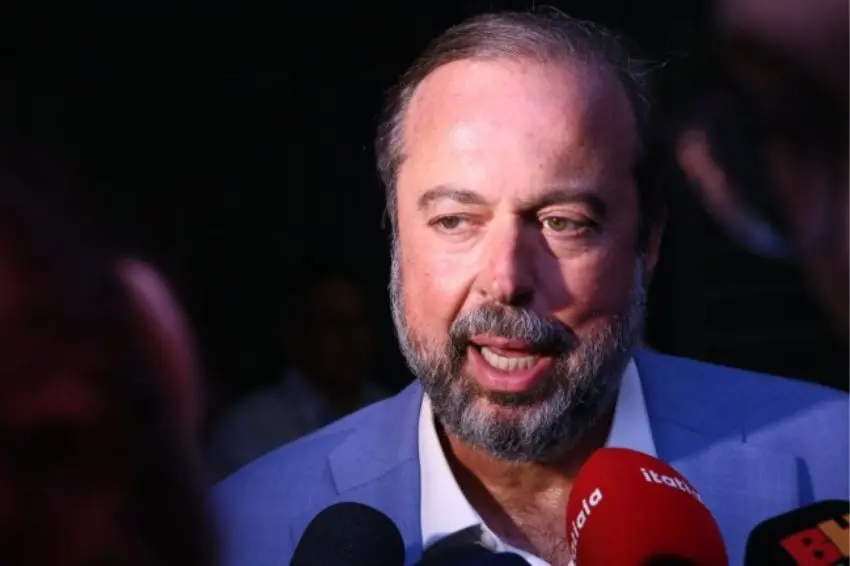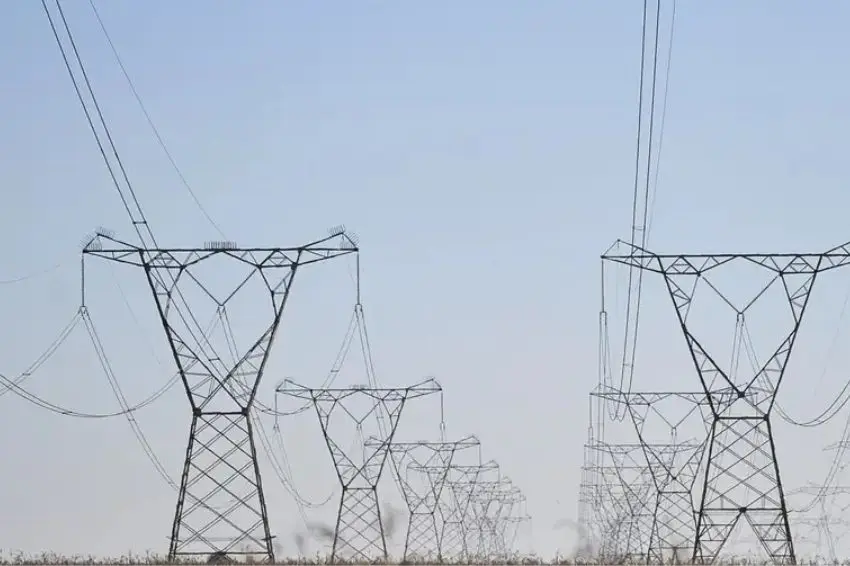

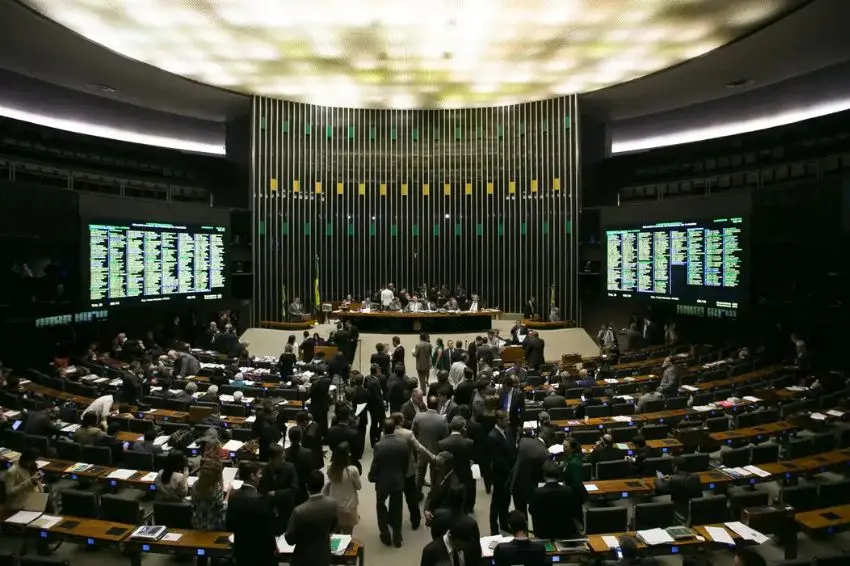
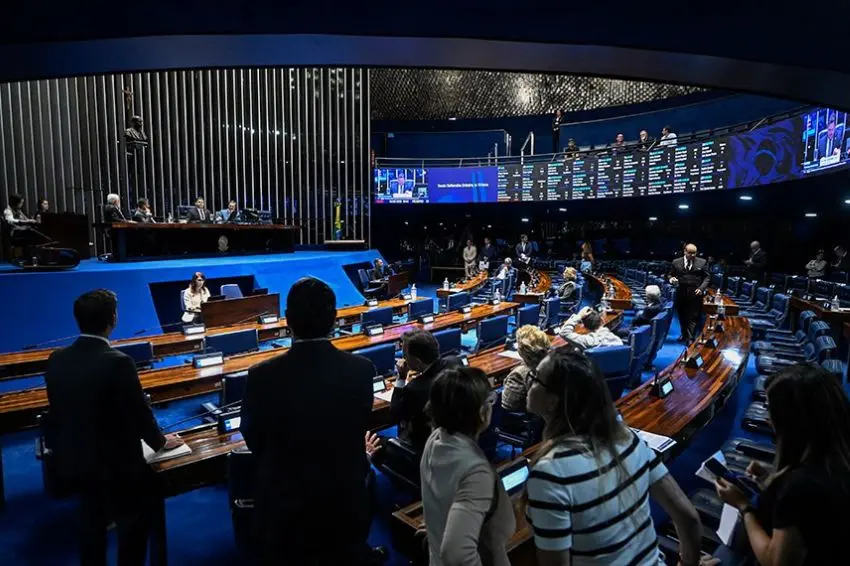
The National Congress mobilized to hold a joint session this Thursday (18) with the aim of analyzing a package of presidential vetoes. Among the topics that follow in pattern Devices related to offshore wind power and distributed generation (DG) are driving the electricity sector.
The session should be closely followed by generation agents, traders, distributors, investors, and industry associations due to the immediate regulatory impacts that the decisions may cause.
One of the issues that most attracts the market's attention is Partial Veto No. 3/2025, related to Law No. 15.097/2025, originating from the offshore wind power project. Although the proposal was created to establish the regulatory framework for offshore wind power generation, the text approved by Congress included provisions unrelated to offshore activity.
Among them are the mandatory contracting of natural gas-fired power plants with inflexible operation, the extension of contracts for coal-fired power plants, and other incentives for specific sources of generation. These provisions, known in the sector as "riders," were vetoed by President Luiz Inácio Lula da Silva (PT) and must now be reevaluated by parliamentarians.
The main concern of market players lies precisely in the possibility of these vetoes being overturned, since these measures could represent a cost in the billions over the next few decades and significantly alter the dynamics of energy contracting in the country.
Distributed generation is also on the agenda.
In addition to offshore wind farms, lawmakers will also analyze the veto related to extending the deadline for completing MMGD (micro and mini-distributed generation) projects that fall under the transition rules of the Distributed Generation Legal Framework.
The section vetoed by Lula provided for an increase from 12 to 24 months in the deadline for projects submitted to distributors to be completed and put into operation while maintaining the right to the compensation rules established during the transition period of Law No. 14.300/2022.
In justifying the veto, the Government argued that the measure would expand subsidies associated with distributed generation and could generate additional costs for the electricity sector.
If Congress overturns the veto, projects that fall under this condition will once again have up to 24 months to be completed without losing access to the transition rules foreseen in the Distributed Generation Legal Framework.
Curtailment is removed from the agenda.
One of the most anticipated topics for the renewable energy sector ended up being left out of Thursday's session. The presidential veto of sections of Law No. 15.269/2025, known as the electricity sector reform, was removed from the agenda and will not be analyzed by Congress at this time.
Among the postponed measures are those related to compensation for wind and solar power plants affected by curtailment events. With the veto lifted, the discussion on compensation for generation cuts in renewable sources remains undefined and will be considered in a future session of the National Congress.
all the content of Canal Solar is protected by copyright law, and partial or total reproduction of this site in any medium is expressly prohibited. If you are interested in collaborating or reusing part of our material, please contact us by email: redacao@canalsolar.com.br.

![Canal Solar - ABSOLAR ABGD and [the Brazilian Association of Distributors and Distributors] advocate for oversight, but urge caution in interpreting figures on irregularities in distributed generation.](https://canalsolar.com.br/wp-content/uploads/2026/06/Canal-Solar-ABSOLAR-e-ABGD-defendem-fiscalizacao-mas-pedem-cautela-na-interpretacao-de-numeros-sobre-irregularidades-na-GD.webp)