

The gates of Expo Center Norte, in São Paulo (SP), opened this Tuesday (26) to kick off Intersolar South America 2025, the largest solar energy event in Latin America.
Over the course of three days, more than 58 visitors are expected to wander the fair's corridors, which brings together national and international manufacturers, distributors, and companies with a series of launches and trends for the photovoltaic and electromobility sector.
For the fifth consecutive year, the Canal Solar has its own stand, reinforcing its role as a reference in information and coverage of the solar energy market.
As in previous years, our team will be updating you throughout the day on the main launches, interviews, and events at the fair. Stay tuned and follow us on social media to stay up-to-date.
Opening ceremony highlights Brazil's role in the energy transition

The opening ceremony was attended by government representatives and leaders from the electricity sector. The opening speeches highlighted the strategic role of Brazil and the world in the global energy transition.
Rodrigo Sauaia, executive president of ABSOLAR (Brazilian Association of Photovoltaic Solar Energy), highlighted both the advances achieved by the source and the challenges that still need to be faced for the energy transition to be truly consolidated in the country.
According to him, one of the main obstacles is the imbalance between incentives for fossil and renewable sources. He pointed out that, in 2023, Brazil allocated R$81,7 billion to fossil fuels—equivalent to 81,9% of total subsidies.
Renewable sources received only R$18 billion (18,1%), which represents a disparity of 4,5 times more financial support to polluting sources.
"We need to reverse this logic, because the renewable sector cannot continue to be at a disadvantage compared to fossil fuels. It is essential to align words and actions to provide market security and ensure that Brazil leverages its potential as a global leader in clean energy," he stated.
The executive also presented figures that reinforce the positive impact of solar energy in the country: more than R$270 billion in investments since 2012; more than 1,7 million jobs created and more than 88 million tons of CO₂ avoided.
"The solar sector brings concrete benefits to Brazil: investment, jobs, tax revenue, and emissions reduction. These results show that renewable sources are not only an environmental choice, but also an economic and strategic one," Sauaia emphasized.
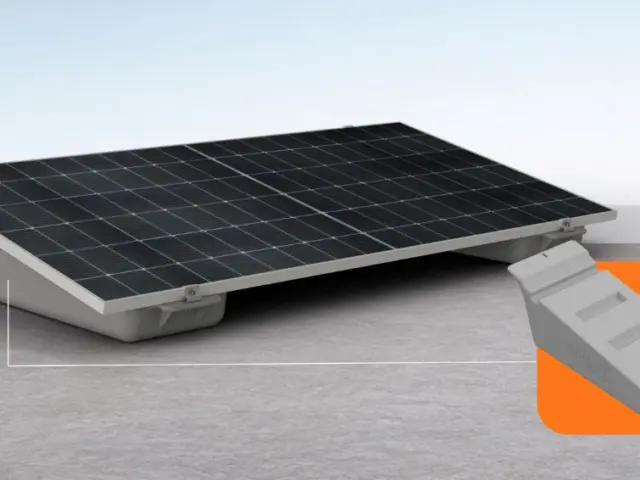
The president of the ABSOLAR He also noted that Brazil is among the global leaders in solar energy expansion. In 2024, the country ranked 4th in annual installed capacity, with 18,9 GW added, trailing only China, the United States, and India. In total, there are already 66,7 GW in operation, consolidating the country as one of the most promising markets in the sector.
Sauaia highlighted that, despite this significant growth, Brazil has not yet defined clear goals for 100% renewable energy, unlike countries like Germany, Canada, Chile and Japan, which have already set deadlines ranging from 2030 to 2050.
"It's a unique opportunity for Brazil to assume global leadership, but we need clear signals from the government, with well-defined goals and long-term policies," he said.
In addition to solar energy, Sauaia emphasized the importance of incorporating new technologies, such as battery storage and green hydrogen, to ensure stability in the electrical system and create new business opportunities.
He advocated for regulatory advancements to make storage projects viable and the creation of tax and financial incentives for green hydrogen, thus inserting Brazil into the international race for this technology.
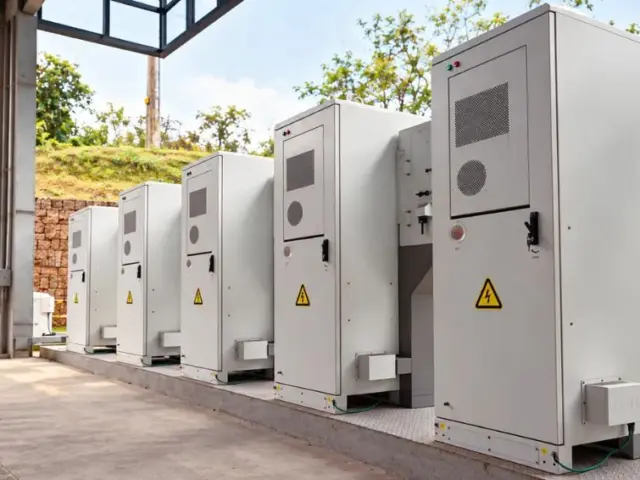
Also during the opening, Markus Vlasits, president of ABSAE (Brazilian Association of Energy Storage Solutions), highlighted the urgency of discussing the inclusion of storage in the Brazilian electricity matrix.
He recalled that, in 2024, in the Northeast submarket alone, around R$1 billion in clean, cheap and renewable energy was not used due to a lack of structure and planning.
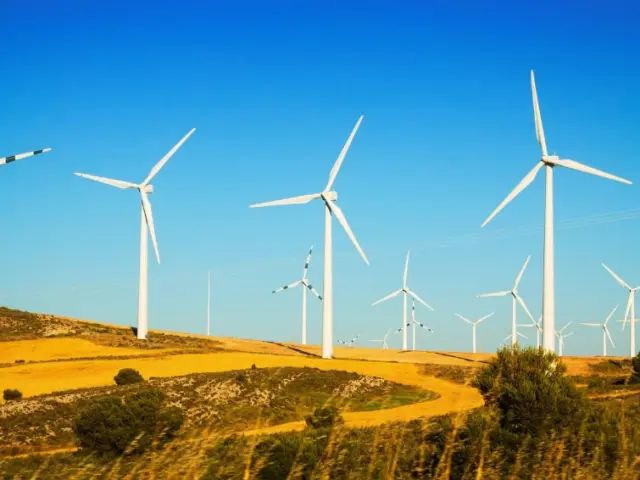
According to Vlasits, the scenario revealed a deficit of more than 38 GW, highlighting the risks of relying exclusively on variable sources, such as solar and wind, without adequate backup mechanisms.
"The next blackout we face in Brazil will not be due to a lack of energy, but rather a lack of flexibility and balance in the system. Therefore, it is essential that we discuss the introduction of energy storage, not as a subsidy, but as a structural solution to provide security and stability to the sector," he stated.
He also highlighted that storage systems, especially batteries, are often seen as an expensive technology, but recent studies show otherwise.
"Battery storage is fast, modular, flexible, and, contrary to popular belief, competitive. Our latest study demonstrates that using batteries to provide capacity reserve services is cheaper and more efficient than relying on traditional solutions. It's a technology that Brazil will need literally every day of the year," he added.
For the executive, incorporate the storage on a large scale is essential to ensure the growth of renewables in Brazil and avoid wasting billions of clean energy.
all the content of Canal Solar is protected by copyright law, and partial or total reproduction of this site in any medium is expressly prohibited. If you are interested in collaborating or reusing part of our material, please contact us by email: redacao@canalsolar.com.br.

Comments
Comments are moderated before publication.Comments should be respectful and contribute to a healthy debate. Offensive comments may be removed. The opinions expressed here are those of the authors and do not necessarily reflect the views of the author. Canal Solar.