

Among the different options of renewable energy, the solar plant stands out as an efficient, sustainable and economically advantageous solution.
By harnessing sunlight (an abundant and inexhaustible resource), these plants transform solar radiation into clean electricity, contributing to the diversification of the energy matrix and the reduction of pollutant gas emissions.
In recent years, Brazil has become a leading player in solar energy generation, driven by technological advances, falling equipment costs, and incentive policies.
As a result, solar plants also drive socioeconomic development, creating jobs, fostering innovation, and strengthening the country's energy security.
In this content, you'll clearly and comprehensively understand what a solar power plant is, its types, advantages, maintenance methods, the Brazilian scenario, and whether it's worth investing in this model that's shaping the future of energy. Let's dive in!
What is a solar power plant?
A solar power plant is an installation designed to convert solar radiation (composed of light, heat and ultraviolet radiation) into electricity capable of supplying homes, businesses, industries or even distribution networks.
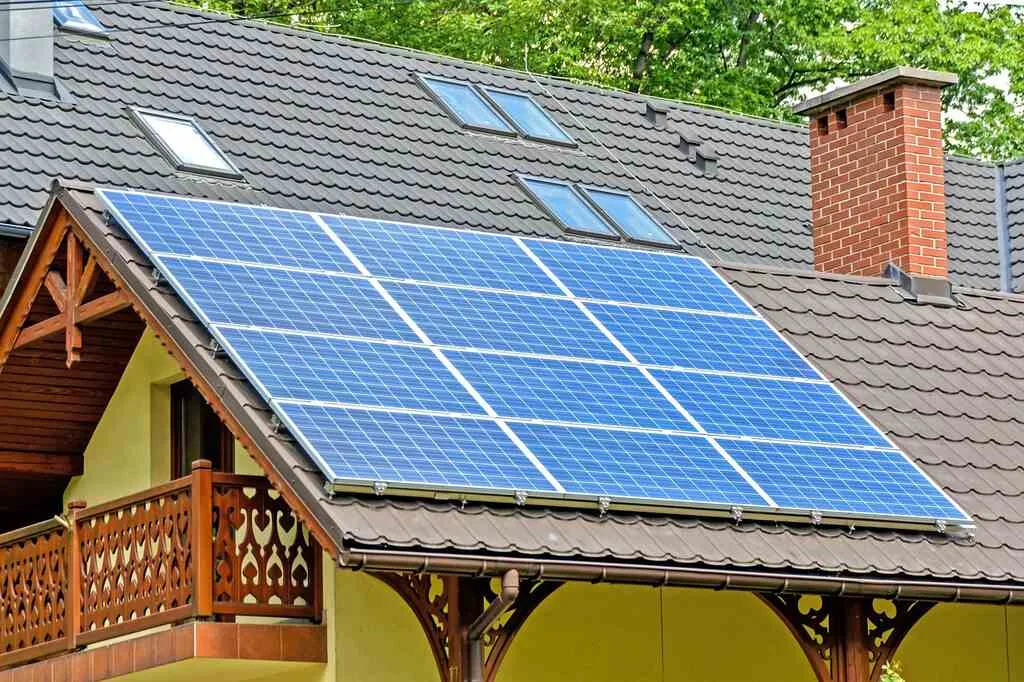
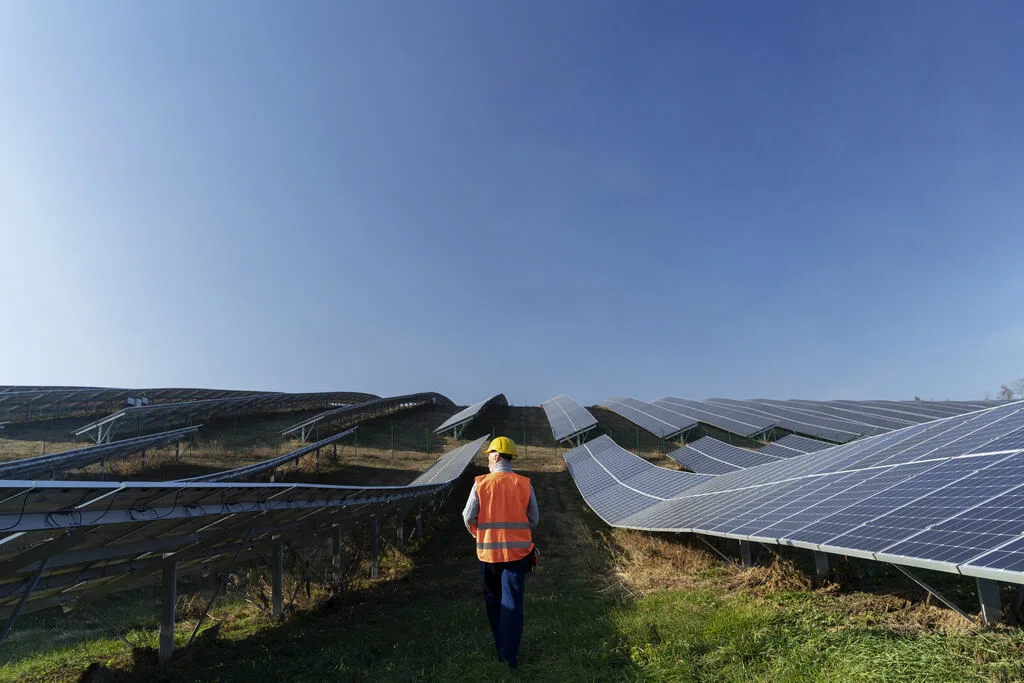
These plants can range from small residential systems to large solar farms, consisting of hundreds or thousands of panels installed in open areas.
Regardless of size, they contribute to the production of clean and renewable energy, helping to reduce greenhouse gas emissions, diversify the energy matrix, and generate jobs at different stages such as construction, operation, and maintenance.
How does a solar power plant work?
How a solar power plant works depends on the type of technology used, but the basic principle is to capture solar radiation and convert it into usable electrical energy.
In the case of a photovoltaic plant, solar modules capture sunlight and, through the photovoltaic effect, transform this radiation into direct current electrical energy.
This energy is then sent to inverters, which convert direct current into alternating current, making it compatible with the electrical grid.
A system of transformers and cables distributes energy to consumption centers.
Heliothermic power plants work by heating a fluid (such as thermal oil or molten salts) with heat concentrated by mirrors or lenses, producing steam that drives turbines to generate electricity.
In this process, the conversion is indirect, similar to what occurs in traditional thermal plants, but using solar energy as a heat source.
Types of solar power plant
Solar plants are divided into two types, namely photovoltaic plant and solar thermal plant.
Although the two power plant formats share the same energy source (the sun), the processes for converting this energy are different.
Solar thermal plants use the heat emitted by the sun, concentrating sunlight into a large water reservoir, through concave mirrors.
The mirrors are organized so that their focuses are aligned, ensuring that the light incident on them is reflected at a single point.
As for photovoltaic plants, energy generation occurs through the photovoltaic effect, a phenomenon that arises when a material is exposed to light radiation, expelling electrons to the area outside the material.
This type of plant is made up of a large number of solar panels, made up of photovoltaic cells formed by semiconductor materials capable of converting solar radiation into electrical energy.
Advantages of photovoltaic solar power plants

Solar power plants are one of the most efficient and sustainable ways to generate electricity, offering benefits for the environment, the economy, and society as a whole. Among the main advantages are:
1. Clean and renewable energy source
Solar energy does not emit greenhouse gases during generation, reducing the carbon footprint and contributing to the fight against climate change.
Because it is renewable, the sun is a practically inexhaustible source of energy, especially in tropical countries like Brazil.
2. Low environmental impact
Unlike hydroelectric or thermoelectric plants, solar plants require little water to operate and do not affect the local ecosystem. Furthermore, they do not generate polluting or radioactive waste.
3. Reduction of energy costs
Although the initial investment is significant, large-scale solar generation offers reduced operating and maintenance costs, resulting in a significant drop in the value of kWh over time.
This predictability and cost stability make solar energy attractive to large consumers and investors.
4. Scalability and versatility
Solar plants can be installed on unproductive land, deserts or remote areas, taking advantage of locations that would hardly be used for any other purpose.
Furthermore, the system is modular, allowing expansion according to consumption needs.
5. Encouraging the local economy and innovation
The growth of the solar sector stimulates production chains and creates jobs in installation, operation, maintenance and logistics.
Furthermore, solar energy helps promote the development of new technologies, such as storage systems (batteries) and smart monitoring solutions.
6. Reliability and energy independence
Once installed, the solar plant guarantees continuous production during the day, reducing dependence on fossil fuels or energy imports.
This independence strengthens the country's energy security and diversifies the electricity matrix.
Advantages of a solar thermal plant
Solar thermal power plants, although still underexplored in Brazil, have unique characteristics that can be advantageous in certain regions and contexts. Among the main advantages are:
Continuous generation even without sun
Thanks to the use of thermal fluids or molten salts that store heat, these plants can produce energy for a few hours after sunset, offering greater stability in supply.
Integration with traditional technologies
The process of converting heat into electrical energy is similar to that of conventional thermal power plants, facilitating integration into structures already known in the electrical sector.
Great potential in arid regions
Locations with high direct solar radiation, such as deserts, can be used to install large-scale solar thermal plants.
Reduction of pollutant emissions
Like photovoltaic plants, thermal solar plants use the sun as their primary source of energy, not emitting greenhouse gases during operation.
What is the maintenance of a photovoltaic solar plant like?

Maintaining a solar plant is relatively simple compared to other energy generation sources, but it still requires planning to ensure high efficiency and a long system lifespan. Key practices include:
- Regular cleaning of photovoltaic modules: Dust, leaves, bird droppings, and other particles reduce panel efficiency and can cause significant losses in energy generation. Cleaning should be done with water and soft brushes, avoiding abrasive products;
- Constant performance monitoring: real-time monitoring systems help identify drops in production, alerting to failures in modules, inverters or connections;
- Electrical and mechanical verification: preventive inspections of cables, connectors, fastening structures and grounding are essential to avoid risks of short circuits, corrosion or structural damage;
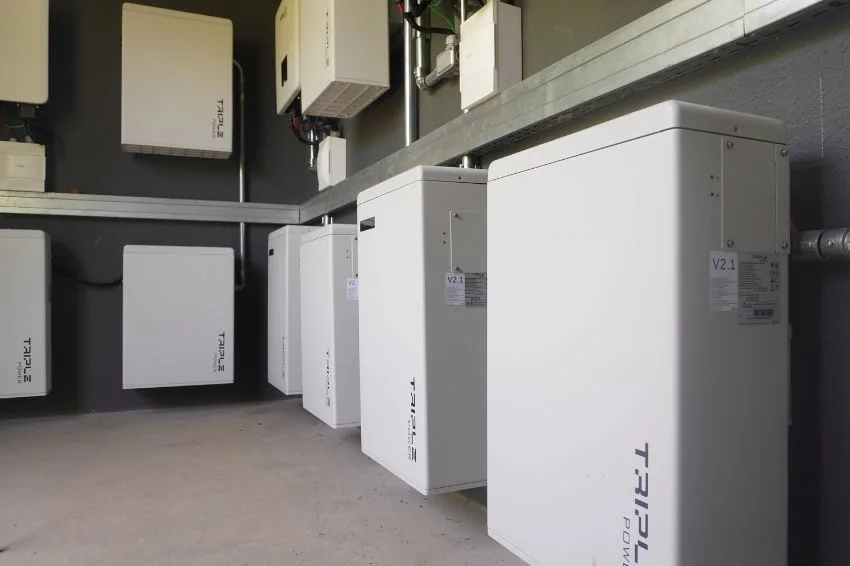
- Inverter review: Inverters have the essential function of converting direct current (DC) electricity generated by photovoltaic modules into alternating current (AC), suitable for immediate use by loads or for injection into the power grid. Periodic inspections of internal components, the ventilation system, and the firmware are recommended to ensure efficiency, safety, and extend the equipment's lifespan.
- Preventive and corrective maintenance: specialized monitoring and the preparation of an annual maintenance plan reduce costs and prevent unexpected shutdowns.
What is the maintenance of a solar thermal plant like?
Maintaining a solar thermal plant is more complex than maintaining a photovoltaic plant, as it involves advanced mechanical and thermal systems.
Among the main precautions, the following stand out:
- Cleaning and aligning mirrors: essential to ensure maximum concentration of sunlight at the focus point;
- Thermal fluid control: monitoring the quality, temperature and pressure of oils or molten salts that store heat;
- Inspection of turbines and boilers: as the process involves steam generation, strict monitoring of this equipment is necessary;
- Maintenance of solar tracking structures: in cases where the mirrors follow the position of the sun, it is essential to check motors and movement mechanisms.
Despite requiring greater specialization and investment in maintenance, solar thermal plants can guarantee high reliability when properly operated, especially in large state or private projects with robust infrastructure.
Is it worth investing in solar power plants?
For sure! Investing in solar power plants is increasingly worthwhile.
In addition to generating clean, renewable energy, the photovoltaic sector has been experiencing robust growth in Brazil, with regulatory incentives, attractive financing options, and an expanding consumer market.
Some key points that make the investment advantageous:
- Solid profitability in the medium and long term: power sales agreements (PPAs) and growing electricity demand offer revenue predictability;
- Risk reduction with low fixed costs: after implementation, operating and maintenance costs are significantly lower than with other energy sources;
- Valuation of sustainable assets: Companies and investors are increasingly seeking ESG solutions, and solar plants stand out as assets aligned with these guidelines;
- Constant technological advances: Improvements to panels, inverters and monitoring systems increase efficiency and reduce costs, increasing the return on investment.
For investors, managers, and companies looking to diversify portfolios or reduce energy costs, solar plants represent a strategic and sustainable asset.
Why trust the Canal Solar?
O Canal Solar is a reference in information and training on photovoltaic energy.
Our goal is to translate the complexity of the sector into clear, objective, and useful content, helping everyone from the curious and end consumers to integrators and investors make informed decisions.
Through articles, analyses, courses, webinars and podcasts, the Canal Solar delivers quality knowledge, up-to-date data, and market trends, always committed to supporting the growth and professionalization of the sector.
Whether you're an entrepreneur, a techie, or just someone interested in the topic, you'll find a reliable starting point here to delve deeper.
Conclusion
Solar plants, especially photovoltaic ones, which dominate the Brazilian landscape, are at the heart of the global energy transition, uniting technology, sustainability, and economics.
With an efficient maintenance system, it is possible to guarantee maximum performance for decades, while investment in the sector becomes increasingly attractive, both for its profitability and environmental relevance.
Whether you're looking to learn, invest, or specialize in the solar market, quality information is the first step.
And in this scenario, the Canal Solar is a trusted source for staying up-to-date, exploring trends and opportunities that drive industry growth.

Comments (1)
Comments are moderated before publication.Comments should be respectful and contribute to a healthy debate. Offensive comments may be removed. The opinions expressed here are those of the authors and do not necessarily reflect the views of the author. Canal Solar.
Hello good morning, I am interested in buying solar energy, what should I do, and also if it works out what the % is, that is for my home