

Increased import tariffs and greater attention to policies incentivizing domestic industry have repositioned Finame, a BNDES financing line, as one of the main instruments for enabling photovoltaic projects in Brazil.
This move comes at a time when integrators and end consumers are seeking solutions that combine competitiveness, financial predictability, and a higher degree of nationalization.
Manufacturers with industrial operations in the country, such as Livoltek, are now directly benefiting from this scenario. With domestic production of inverters and charging systems for electric vehicles, the company meets the criteria required by BNDES, which allows distributors and integrators to structure projects with access to more advantageous credit conditions through the bank's subsidized financing lines.
Since the financed items are marketed as Photovoltaic Solar Generators (commonly known as "solar kits"), the high degree of nationalization of Livoltek's inverters allows distributors to register generators in the FINAME system without the need for national photovoltaic modules, making them more competitively priced for the end consumer than the options available on the market until recently.
When questioned, the company stated that photovoltaic generators with equipment already authorized for purchase through FINAME credit are already available. SUNO Distributor And soon, more distributors will have certified generators.
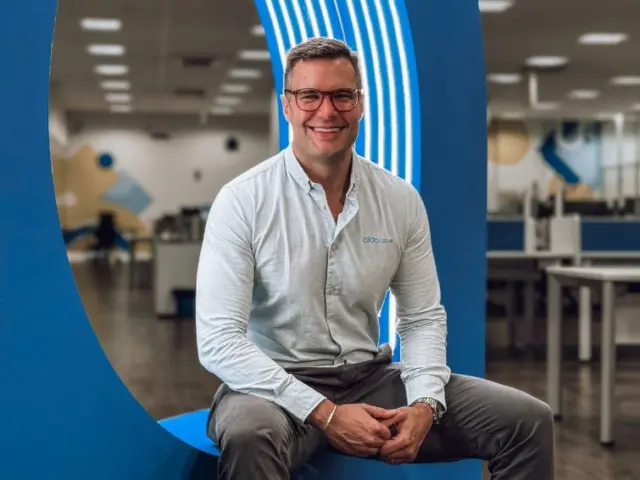
According to Marcelo Leite, Sales Manager at Livoltek, the main requirement is related to the presence of national products in the composition of these kits. "To have the Finame code, the distributor needs to work with products manufactured in Brazil," he explains.
He explains that the rules vary according to the power of the systems. According to Finame's rules, photovoltaic kits are divided into three levels, according to the system's power.
For projects up to 75 kW, the use of domestically manufactured inverters, cables, and connectors is mandatory, while photovoltaic modules can be imported.
The same logic applies to systems between 75 kW and 375 kW, maintaining the requirement for national components in the main electrical items, while allowing the use of imported modules.
For systems above 375 kW, the criterion changes from being item-based to being financial. According to Leite, in this case, at least 30% of the total kit value must correspond to products manufactured in Brazil, regardless of the origin of the modules, provided that the other components meet the nationalization rules.
According to the executive, in practice, this means that domestically produced inverters, structures, and cables are sufficient to meet the criteria, since these items now represent a significant portion of the total system cost.
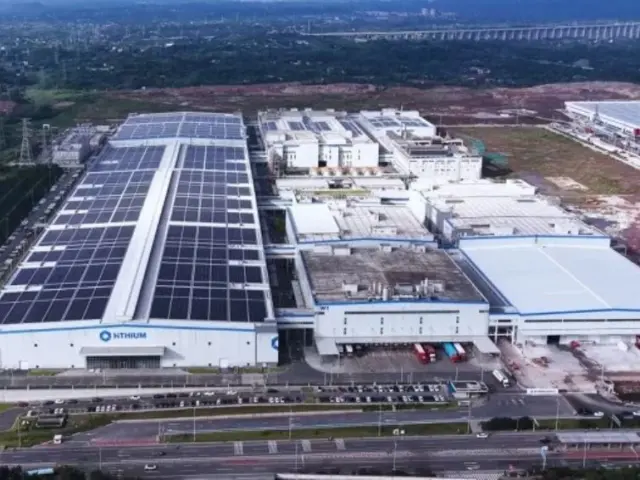
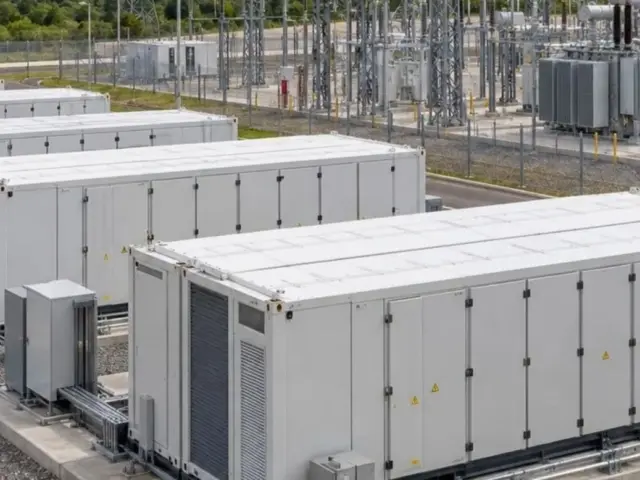
This movement to value local manufacturing is also reflected in the company's industrial strategy. Livoltek has confirmed the construction of a new manufacturing plant dedicated to the production of BESS systems in Fortaleza (CE), with operations scheduled to begin in August 2027.
The expectation is that the expansion will generate approximately 300 direct and 700 indirect jobs, aiming to meet the growing demand for energy storage systems.
With the inverters already enabled for finame Accredited through BNDES, which allows access to specific financing lines, the company is betting on local manufacturing as a way to meet the growing demand for equipment with logistical and tax advantages.
According to the company, the plan includes increased production capacity, shorter delivery times, local technical support, and greater integration with distributors.
According to Livoltek, domestic production also meets the criteria required by public and private banks for financing photovoltaic systems, which reinforces Finame's strategic role in the sector's expansion.
"The expansion of the unit comes at a time of consolidation of distributed generation and a search for solutions with greater nationalization, especially in medium and large-scale projects," he emphasized.
Finame: what is it and how to finance photovoltaic equipment?
The main difference with FINAME, however, lies in the financial conditions offered to the end customer. The program allows for long repayment terms, extended grace periods, and lower rates than those practiced in the conventional market.
“The client can have up to 120 months to repay the financing, with up to 36 months of grace period before payments begin. The rate involves a portion from BNDES (Brazilian Development Bank) plus that of the financial agent, resulting in a final cost considered competitive compared to other credit lines,” says the executive.
Agribusiness leads in adoption.
Although Finame is widely used in agribusiness, the program is not limited to this sector. It can be accessed by companies of all sizes, individuals, cooperatives, public administrations, and even condominiums.
Nevertheless, Leite emphasizes that the leading role of agriculture is linked to the financing culture already established in the sector.
“Farmers are used to financing machinery, equipment, and the operation itself. Despite the advantages, the program is still underutilized by the solar market. The main obstacle is the lack of information throughout the supply chain,” he points out.
“If the integrator doesn’t present the Finame [Brazilian financing program], many projects simply don’t happen. Since the financing needs to be requested by the end customer, integrators and distributors need to master the program to present it clearly,” he assesses, emphasizing the need for alignment between manufacturers, distributors, and integrators to ensure that all components are correctly registered.
Finally, Leite emphasizes that financing, while important, should not be seen as the sole criterion for selection. "Finame is the icing on the cake," he states. For him, the differentiating factor lies in the whole package: national production, investments in the country, after-sales service structure, and local presence—factors that gain even more weight with the company's expansion.
all the content of Canal Solar is protected by copyright law, and partial or total reproduction of this site in any medium is expressly prohibited. If you are interested in collaborating or reusing part of our material, please contact us by email: redacao@canalsolar.com.br.

Comments
Comments are moderated before publication.Comments should be respectful and contribute to a healthy debate. Offensive comments may be removed. The opinions expressed here are those of the authors and do not necessarily reflect the views of the author. Canal Solar.