
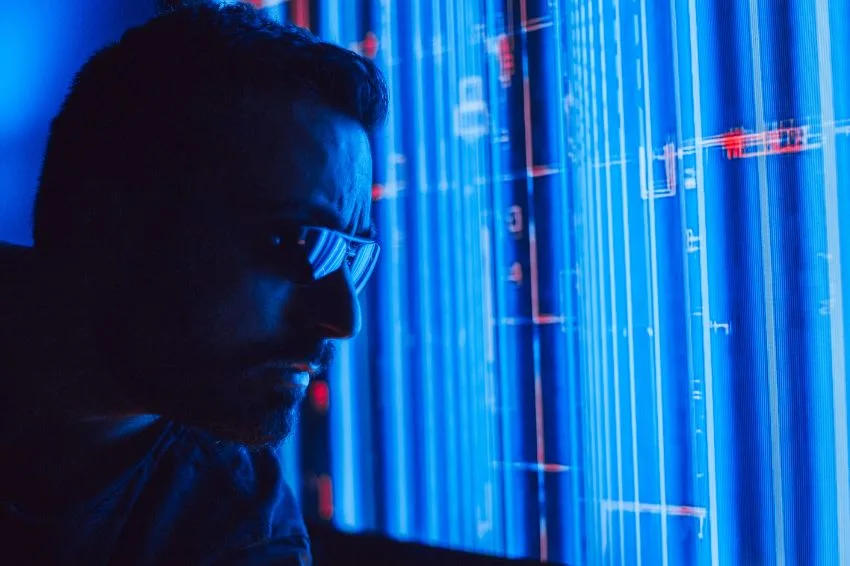
Following the blackout episode that occurred in the Iberian Peninsula, Germany published a document with measures that should reinforce the protection of the energy sector.
According to the Federal Ministry for Information Security (BSI), the sector is particularly targeted by operations that seek to destabilize energy companies.
In the document “Cybersecurity in the German Energy Sector”, published on the 21st, the Federal Office for Information Security (BSI) published a statement citing possible challenges that may be faced in the energy sector, as a result of the growth of decentralized energy supply and the complexity of interconnected systems, as is the case in the Iberian Peninsula.
In an unstable political scenario, cybersecurity is urgent to ensure the safety of the population and the country's economy. “A successful interruption of the power supply in Germany or Europe It is a frightening scenario for citizens, the German economy and state institutions,” said Claudia Plattner, president of the BSI.
“Societal life would come to a standstill, and the economic damage would be immense. As geopolitical tensions have worsened, the motivations of potential attackers have also changed. Therefore, we urgently need to invest in security structures, technical protection measures and resilient architectures in order to guarantee the long-term security of energy supply and minimize the risks of systemic failures,” he stressed.
Cybersecurity in the German energy sector
According to the Federal Ministry for Information Security, the risk of cyber attacks is high, and this has been addressed for years, especially with the massive growth of renewable energy.
An attack of this type could impact people's lives in all areas, from hospitals and transportation to the supply of drinking water.
The document states that the energy sector can be the focus of:
- State-backed cyber operations (e.g. Russia, China, Iran, North Korea) for destabilization and espionage purposes;
- Cybercriminal groups using ransomware to extort money from energy companies;
- Hacktivists with ideological goals, especially in climate and energy policy contexts.
With the expansion of the renewable sector, other challenges arise for the security sector, such as decentralization, smart grids, digital control systems and sector coupling.
Such changes, which are part of the country's energy transition, end up making the system vulnerable, generating new opportunities for attacks.
A possible cyber attack on the electricity grid in Germany could have serious consequences, generating blackouts, affecting interconnected systems in Europe, causing supply shortages and preventing the operation of emergency infrastructures such as hospitals or communication networks.
The BSI position paper proposes a series of strategic actions to ensure the digital security of Germany’s energy infrastructure. These include:
- Institutional strengthening: The BSI must assume a central role as a regulatory and coordinating body for cybersecurity in the sector, with expanded powers to monitor and intervene in incidents;
- Technical standards and resilience: A three-tier security model must be adopted, including basic protection of operational networks, reinforcement of critical components and shielding of sensitive systems. Redundancy measures and advanced attack detection technologies are also recommended;
- Cooperation and information sharing: Strengthening collaboration between energy companies, authorities and security agencies is essential, with the BSI acting as a hub for threat analysis and response coordination;
- Training and awareness: Continuous training of professionals in cyber and operational security is a priority, with informational support from BSI itself;
- Research and innovation: BSI proposes to encourage research projects to integrate renewable energies safely and develop technological components optimized for smart grids and decentralized systems.
Germany as a target of other states
According to Claudia Plattner, despite possible attacks, the country's energy supply must continue to digitalize, but effective protection measures must be created to protect the system. Plattner mentions that Germany has already been the victim of attacks of this type in the past and that, as it is an attractive country in the economic and geopolitical sense, it has become a target:
“Germany is in the sights of several states, especially China and Russia, but also North Korea and Iran,” comments the president.
all the content of Canal Solar is protected by copyright law, and partial or total reproduction of this site in any medium is expressly prohibited. If you are interested in collaborating or reusing part of our material, please contact us by email: redacao@canalsolar.com.br.

Comments
Comments are moderated before publication.Comments should be respectful and contribute to a healthy debate. Offensive comments may be removed. The opinions expressed here are those of the authors and do not necessarily reflect the views of the author. Canal Solar.