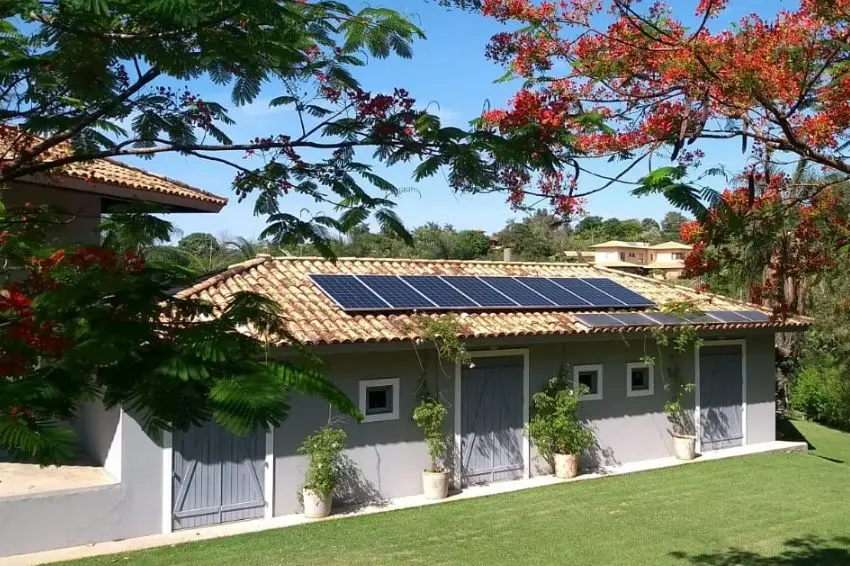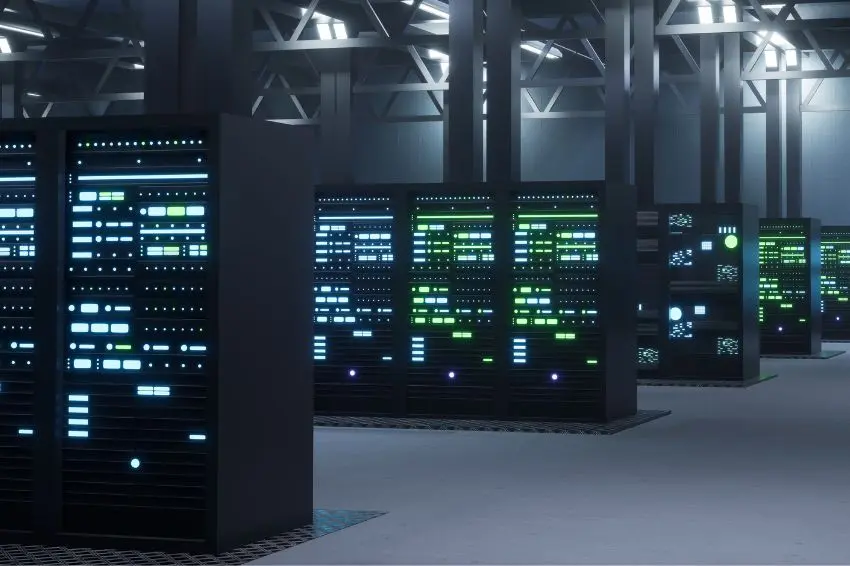


Google has unveiled a groundbreaking project to transform satellites into AI (artificial intelligence) processing centers powered by space-based solar energy. Called Project Suncatcher, the plan aims to operate AI chips off-Earth, taking advantage of near-uninterrupted access to sunlight and reducing reliance on the terrestrial power grid.
The proposal envisions sending TPUs (Tensor Processing Units) into Earth orbit on satellites equipped with solar panels capable of generating a constant energy supply. According to Google, this configuration could make operations up to eight times more efficient than systems powered by solar panels on Earth.
According to the company, the initiative is in its initial phase, but represents an important step in addressing the high energy consumption of AI.
first tests
According to Google, the project faces significant obstacles, such as establishing high-speed connections between satellites, protecting the chips from radiation, and reducing launch costs. The company reported that its Trillium TPUs have already been tested to withstand up to five years of exposure in space without permanent failure.
The first Suncatcher prototypes are expected to be launched in partnership with the company Planet by 2027, marking the start of orbital testing. An internal Google study projects that, by the mid-2030s, the cost of space operations could equal that of terrestrial data centers.
all the content of Canal Solar is protected by copyright law, and partial or total reproduction of this site in any medium is expressly prohibited. If you are interested in collaborating or reusing part of our material, please contact us by email: redacao@canalsolar.com.br.