
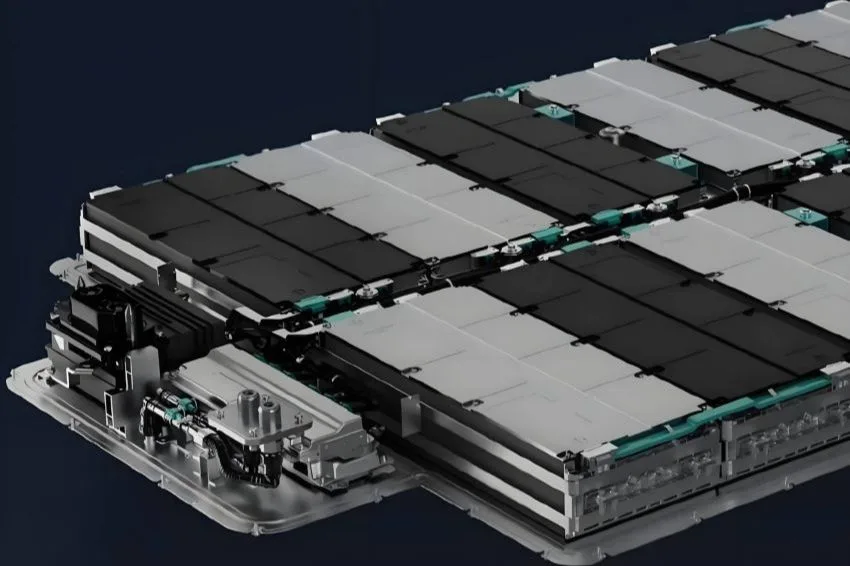
Sodium-ion batteries are advancing toward large-scale commercialization, according to an analysis published by the IEA (International Energy Agency). The report indicates that new investment announcements and technological improvements could make 2026 a decisive year for the growth of this alternative to lithium-ion batteries.
According to the Agency, Chinese manufacturers are leading the movement. CATL (Contemporary Amperex Technology) It launched the second generation of its sodium-ion batteries and confirmed plans for commercial deployment starting in 2026.
A BYD It began construction of its first technology-dedicated factory in 2024, focusing on... electric vehicles, stationary storage and industrial applications. Hina Battery, on the other hand, presented models aimed at the automotive sector.
The technology operates on principles similar to lithium-ion batteries, but uses sodium instead of lithium. Among the main differentiators highlighted by the IEA is its performance at low temperatures. The latest versions can retain about 90% of their nominal capacity at -40 °C and operate at up to 70 °C, a relevant characteristic for cold climate markets.
Another strategic factor is the reduced exposure to lithium price volatility. Although current prices remain below the 2022 peak, values have doubled in the last year, reinforcing manufacturers' interest in diversifying supply chains.
Despite advancements, the energy density of sodium-ion batteries is still lower than that of the predominant lithium-ion technologies. The most modern cells reach approximately 175 Wh/kg, while LFP batteries reach 205 Wh/kg and NMC models achieve 255 Wh/kg.
In practice, this could mean a range of up to 350 km for a mid-size SUV with sodium-ion batteries, compared to 400–600 km with lithium-ion batteries under normal conditions.
The report also highlights that almost all installed and announced production capacity is concentrated in China, which is expected to account for more than 95% of projected global capacity by 2030. Companies such as LG Energy Solutions They announced pilot lines in China, while initiatives outside the country face competitiveness challenges.
According to IEASodium-ion batteries can play a complementary role in specific applications, such as hybrid systems and stationary storage in cold regions. However, to compete on equal terms with lithium-ion batteries, further advances in energy density or sustainably higher lithium prices will be necessary.
You might be interested!
all the content of Canal Solar is protected by copyright law, and partial or total reproduction of this site in any medium is expressly prohibited. If you are interested in collaborating or reusing part of our material, please contact us by email: redacao@canalsolar.com.br.