

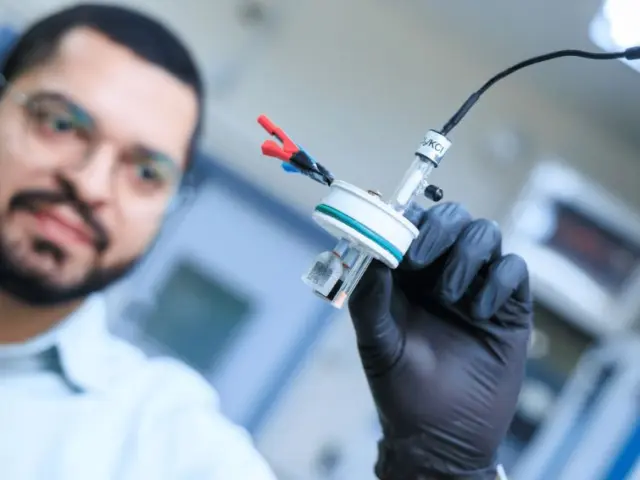
The energy storage market is booming, with innovations bubbling up both in universities and in research conducted by companies in the R&D (Research and Development) area. One of the promising options is sodium-ion batteries, a mineral abundant in nature, easy to extract, and highly sought after.
This battery is an alternative to lithium-ion batteries and an option to nickel, lead, and cobalt. This optimism is corroborated by research from the strategic consulting firm Roland Berger, which predicts that these batteries will represent about 30% of the market by 2040.
Sodium batteries have less than 30% of the energy density of lithium batteries, but are just as efficient. This means that sodium ions are larger than lithium ions, and to store a greater amount of energy, a larger volume is needed; therefore... sodium batteries They need to be larger to have the same energy storage capacity. However, both achieve 95% efficiency.
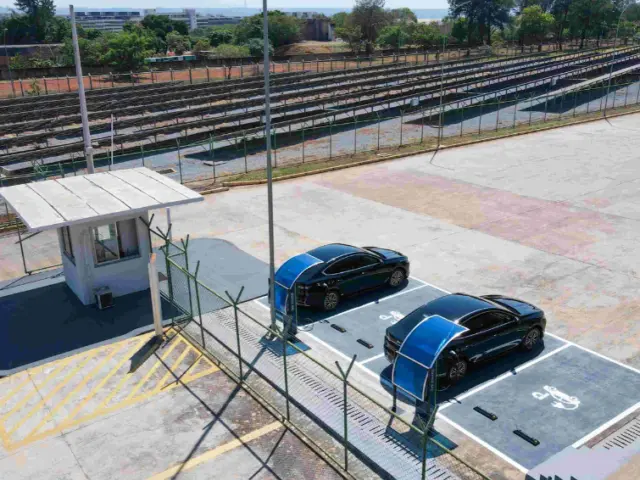
Sodium batteries can be used in stationary and mobile systems. mobilityStationary batteries provide a constant amount of current for a long period of time; they are designed for deep discharge cycles and can withstand large quantities of them without affecting their lifespan.
For mobility purposes, they can be used in electric vehicles that move within the city, but the future focus should be on large vehicles. This means that they can be used for both electrical grid power systems and vehicle mobility.
Are you interested? So click on this link Learn more about this battery that promises to optimize the storage market.
all the content of Canal Solar is protected by copyright law, and partial or total reproduction of this site in any medium is expressly prohibited. If you are interested in collaborating or reusing part of our material, please contact us by email: redacao@canalsolar.com.br.



Comments (2)
Comments are moderated before publication.Comments should be respectful and contribute to a healthy debate. Offensive comments may be removed. The opinions expressed here are those of the authors and do not necessarily reflect the views of the author. Canal Solar.
Very interesting because the big problem with lithium-ion batteries is that it is a mineral that is not abundant in nature and its production has a huge impact on the environment.
I like it, it's very interesting to know about studies on solar energy so that we can hope that we don't throw so many poisons into the atmosphere.