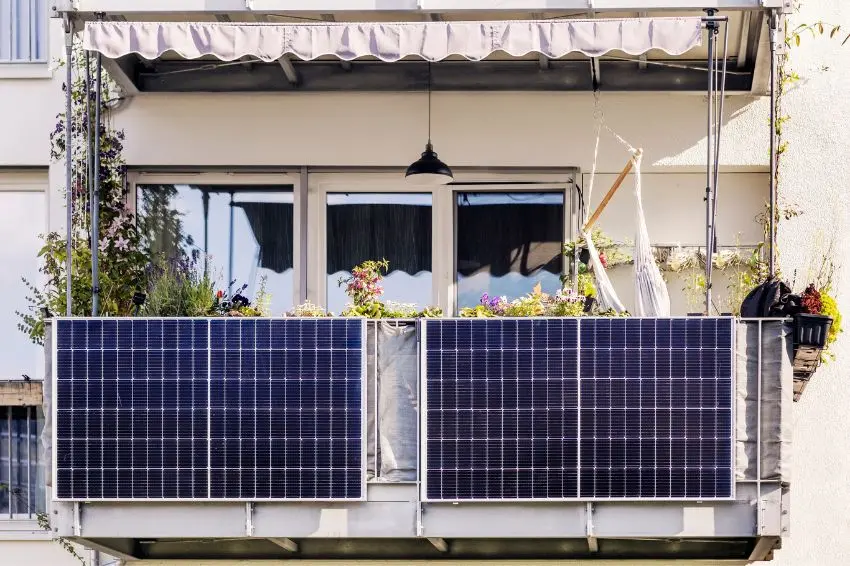


The Brazilian energy sector, responsible for one of the cleanest and most diversified electricity matrices in the world, has also undergone an important transformation in recent years: the growing presence of women in strategic areas such as business leadership, scientific research, innovation, and public policy formulation.
Data from ANEEL (National Electric Energy Agency) shows that women already represent more than 20% of the workforce in the Brazilian electricity sector – a significant advance in a segment that, for decades, was occupied almost exclusively by men.
In this context, professionals from different areas have stood out in leading projects, formulating energy policies, and producing technical knowledge, contributing directly to the development of the sector and the advancement of the energy transition in the country.
To mark International Women's Day, the Canal Solar It tells the story of some of the professionals who are making a difference in building a more innovative, diverse, and sustainable energy sector.
Business leaders in the electricity sector
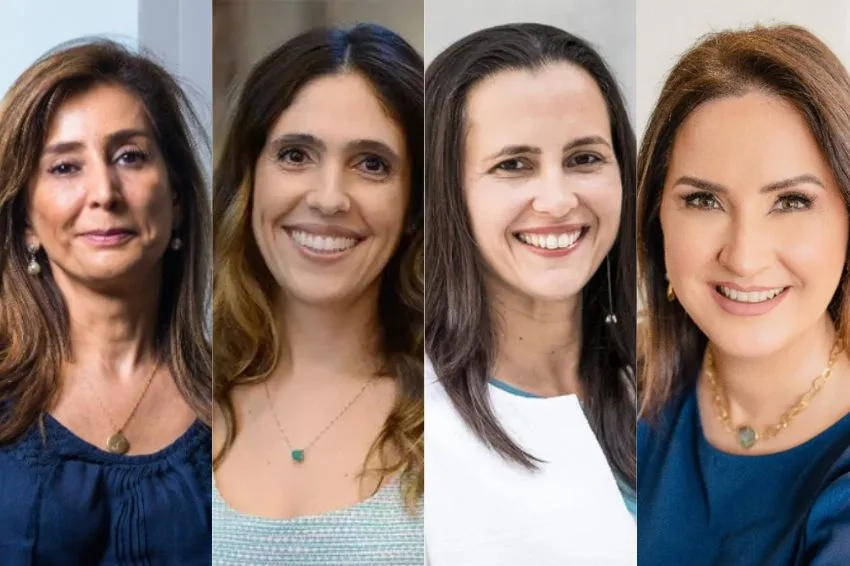
The presence of women has been strengthening in leadership positions within companies and institutions that work directly in the expansion of the Brazilian energy matrix.
One example is Adriana Waltrick, CEO of SPIC Brasil, a company that operates important generation assets in the country, including large renewable energy projects, especially in the Northeast.
At the helm of the company, the executive leads strategies focused on strengthening the generation portfolio and developing new solutions aligned with the energy transition.
Another prominent name is that of Camila Ramos, Camila Ramos, CEO of Cela (Clean Energy Latin America). The executive works in the analysis and development of strategies for the energy sector in Latin America, focusing on renewable energies, energy transition and new market opportunities.
Another leader is Veronica Coelho, president of Equinor in Brazil. Under his leadership, the Norwegian company has expanded investments in the country, including projects focused on the development of offshore wind energy.
Among the professionals who also stand out is Mara Schwengber, an executive with a strong track record in the sector. She is the CEO of Solled Energia and also serves as the state coordinator for ABSOLAR (Brazilian Photovoltaic Solar Energy Association) in Rio Grande do Sul, participating in regulatory discussions and industry events.
Regulation of the electricity sector
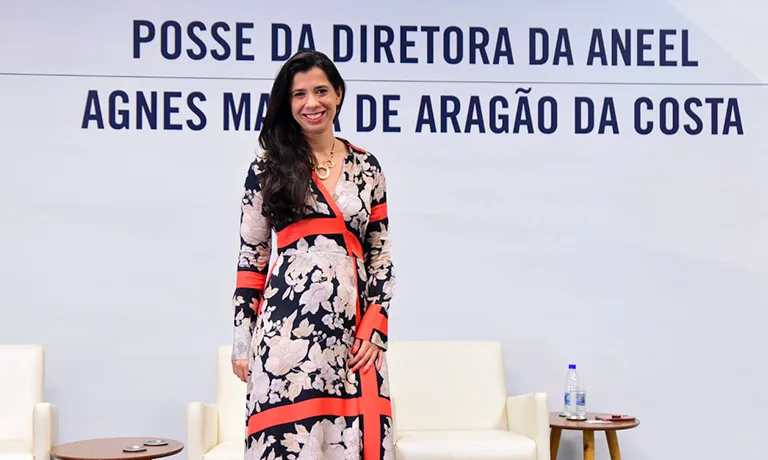
In the field of regulation, Agnes Costa has held a seat on the board of directors since December 2022. ANEEL (National Electric Energy Agency). An economist with extensive experience in public policy and regulation, she is part of the board responsible for decisions that directly impact the functioning of the Brazilian electricity system.
Upon assuming the position, Agnes became the third woman to hold a directorship at the Agency since its creation in 1996. Before her, Joísa Dutra and Elisa Bastos also served on the board during important moments in the regulatory evolution of the sector. Camila Bonfim and Ludimila Lima also held positions, albeit on an interim basis, on the agency's board.
Institutional coordination and energy debate

In addition to leadership roles in companies and regulatory bodies, women have also played a significant role in the institutional representation of the energy sector and in shaping debates about the future of energy in the country.
An example is Alessandra Torres, president of ABRAPCH (Brazilian Association of Small Hydroelectric Power Plants). At the head of the association, he advocates for the role of small hydroelectric plants (PCHs) and small hydroelectric generating plants (CGHs) as strategic sources for diversifying the electricity matrix and for generating power close to consumption centers.
Also noteworthy Marina Meyer Falcao, president of the Energy Commission of the OAB (Brazilian Bar Association) of Minas Gerais and member of INEL (National Institute of Clean Energy), which also works to promote debates on regulation, legal security and energy transition in Brazil.
Yes, Elbia Gannoum, president of ABEEólica (Brazilian Wind Energy Association), has become one of the leading voices in the expansion of wind energy in Brazil, having been at the head of the organization for over a decade.
Another prominent woman in the sector is Barbara Rubim, vice president of distributed generation (DG) at ABSOLAR (Brazilian Photovoltaic Solar Energy Association). It actively participates in regulatory and public policy discussions related to the expansion of solar energy in the country.
Dissemination of knowledge in the electricity sector.

The increased participation of women can also be seen in entrepreneurship and the dissemination of technical knowledge in the energy sector.
Among the highlights is Silla Motta, CEO of the company Donna Lamparina. Engaged in the UN Global Compact (United Nations), she acts as a mentor and develops projects aimed at increasing the presence of women in the energy market.
An architect by training and a PhD in civil engineering, Clarissa Zomer She is another experienced name in the sector. She is considered one of the leading Brazilian experts in integrating solar energy into architecture, an area known as BIPV (Building Integrated Photovoltaics).
Clarissa, founder of Arquitetando Energia Solar, works in training professionals in the sector and in developing projects that integrate photovoltaic generation into architectural planning.
research and innovation
While women currently hold strategic positions in the Brazilian energy sector, a new generation is already beginning to forge this path through science, innovation, and education.
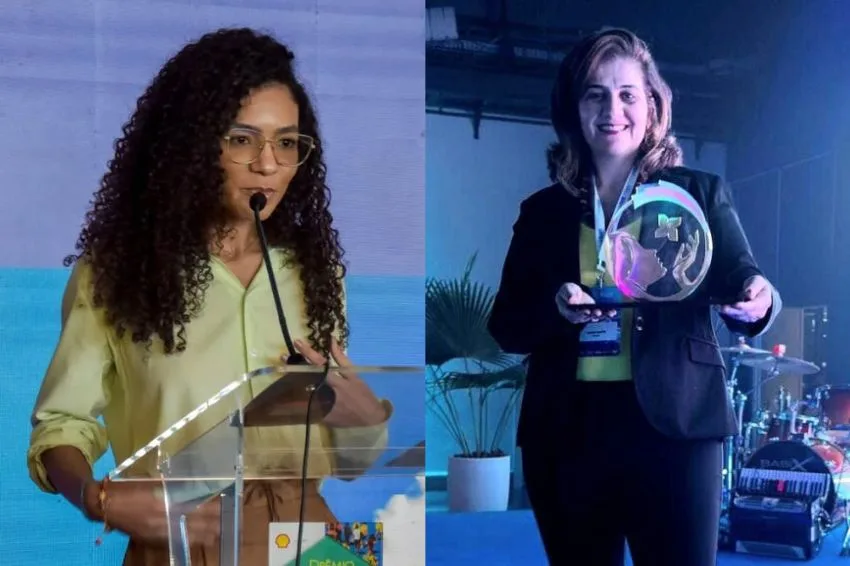
At 23, Manuelle da Costa Pereira, a student at IFAP (Federal Institute of Amapá), has become one of the new sources of pride for Brazilian science by winning the Young Scientist Award, with recognition announced on February 26th.
The award-winning project was inspired by a reality very present in the Amazon: the difficulty of accessing energy in isolated areas. The young woman developed a portable solar energy kit aimed at chestnut harvesters who work in remote regions of the forest, where electricity often does not reach.
The proposal offers a simple and practical solution for those who depend on extractive activities, contributing to improved working conditions and increased access to energy in traditional communities. The project quickly gained international visibility and was presented to the global community during the COP30, held in Belém (PA).
Another researcher who has contributed to broadening the debate on energy and energy transition in the country is... Danúsia Arantes, researcher at CPTen (Paulista Center for Energy Transition Studies) at Unicamp (State University of Campinas).
She recently received the 2025 Women in Energy Award in the Social Impact category for the project. "Eyes on the Future", an initiative that brings public school students closer to topics such as sustainability, technological innovation, and energy challenges.
Created in 2018, the program brings educational activities and hands-on projects to schools, encouraging young people to reflect on the future of energy and the role of science in building a more sustainable electrical system.
all the content of Canal Solar is protected by copyright law, and partial or total reproduction of this site in any medium is expressly prohibited. If you are interested in collaborating or reusing part of our material, please contact us by email: redacao@canalsolar.com.br.