
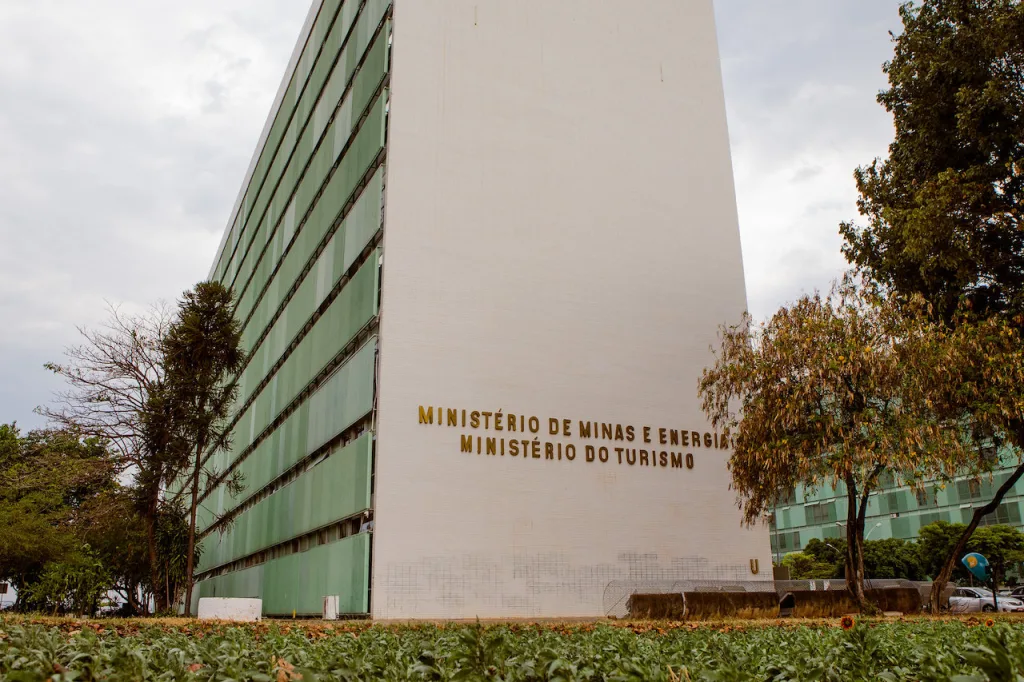
The minister of MME (Ministry of Mines and Energy) and president of the CNPE (National Energy Policy Council), Bento Albuquerque, approved this week the resolution that establishes guidelines on research, development and innovation in the energy sector.
Resolution No. 2, of February 10, 2021, aims to guide the ANEEL (National Electric Energy Agency) and ANP (National Petroleum, Natural Gas and Biofuels Agency) in allocating R&D and Innovation resources to seven strategic themes: hydrogen, nuclear energy, biofuels, energy storage, technologies for sustainable thermoelectric generation, digital transformation and strategic minerals for the energy sector.
The resolution, which had its approval published on Tuesday (9) in the Official Gazette of the Union, also determines that the MME evaluate within 60 days the possibility and form of allocating research and development resources to EPE (Research Company Energy). The measure aims to carry out studies on the electrical sector and carry out studies to define new locations for the installation of future thermonuclear energy generation plants.
Despite the approval of the text, engineer José Wanderley Marangon Lima, a specialist in generation, transmission, distribution and commercialization of electrical energy, said that he views the initiative with suspicion. “This move by the government was strange, because I think it will hinder the development of R&D projects that are developed by companies. ANEEL will do some strategic R&D that will consume a lot of money where there is already little. My perspective is that this R&D money will become more scarce every day”, he commented.
The expert recalled that at the beginning of the year, the Senate approved a provisional measure – MP 998 – which transferred more than R$3 billion in R&D and energy efficiency projects to the CDE (Energy Development Account) with the aim of reducing potential tariff increases on energy bills due to the effects of the pandemic. The value corresponds to around 30% of the resources that concessionaires are required to invest in research and development programs.
For Marangon, among the seven themes chosen for allocation of resources, nuclear energy draws attention. “It’s something that doesn’t make much sense. I confess that I don't know what Brazil is thinking about this. Maybe they wanted to give money to the military to continue nuclear development, but major countries are already phasing out this type of energy. I didn’t understand the logic.”
The engineer also highlighted the investments that will be made in hydrogen research. “Green hydrogen has received a very strong intensification in research. China itself has spent a lot of money. It is still an expensive technology, with low efficiency, but there is a lot of research behind it. I think that Brazil has great potential to build these electrolysis plants and hydrogen will be a way of transporting energy”.




Comments
Comments are moderated before publication.Comments should be respectful and contribute to a healthy debate. Offensive comments may be removed. The opinions expressed here are those of the authors and do not necessarily reflect the views of the author. Canal Solar.