
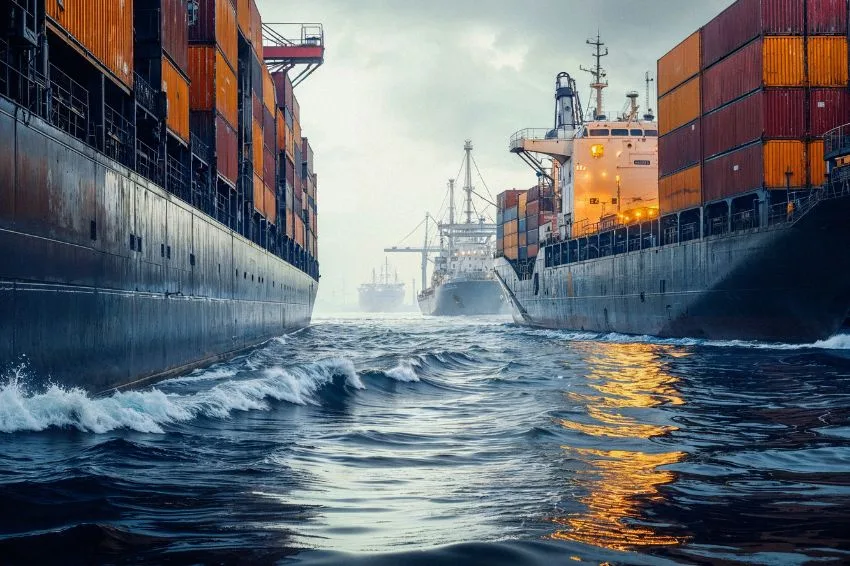
The escalation of the conflict in the Middle East is once again putting pressure on global maritime transport and is expected to lead to increased logistics costs in the coming days.
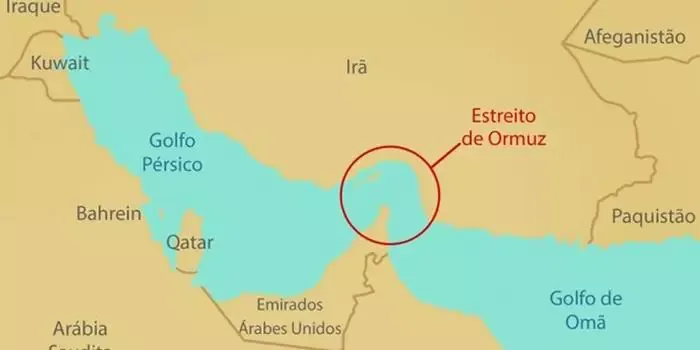
The alert gained momentum after the coordinated attack by the United States and Israel against Iran and the subsequent blockade of navigation in the Strait of Hormuz – a strategic corridor through which about 20% of all the oil traded in the world passes.
Late in the afternoon on Monday (2), Iranian authorities reported that the sea passage is closed and threatened to react to any unauthorized crossing attempt, further increasing the risk level in the region.
According to professionals in the logistics and shipping sectors, this scenario will increase the cost of maritime insurance, fuel, and port operations, directly impacting international freight rates on major global routes.
"This whole situation will certainly have an impact on freight between China and Brazil," stated Maiara Cordova, Ocean Freight Import Manager at [Company Name]. Allog International Transport.
The Strait of Hormuz is the main exit route for oil produced in the Persian Gulf, a region that includes Saudi Arabia, the United Arab Emirates, Kuwait, Iraq, and Iran itself. The corridor connects the Gulf to the Indian Ocean and to major global consumer markets.
“We haven’t yet received any notifications of increased freight costs or the inclusion of additional war-related fees, but we believe there’s a good chance that will happen in the coming days,” Maiara added.

Domino effect in the logistics chain
In addition to the immediate risk to navigation, the increase in the price of oil tends to raise the cost of bunker fuel (fuel used by ships) – one of the main components of the value of maritime freight.
"In the coming weeks, the consequences will be due to the increase in oil prices, which directly impacts and likely leads to problems with a shortage of empty equipment in China, which also contributes to increased freight costs," explained Maiara.
all the content of Canal Solar is protected by copyright law, and partial or total reproduction of this site in any medium is expressly prohibited. If you are interested in collaborating or reusing part of our material, please contact us by email: redacao@canalsolar.com.br.




Comments
Comments are moderated before publication.Comments should be respectful and contribute to a healthy debate. Offensive comments may be removed. The opinions expressed here are those of the authors and do not necessarily reflect the views of the author. Canal Solar.