
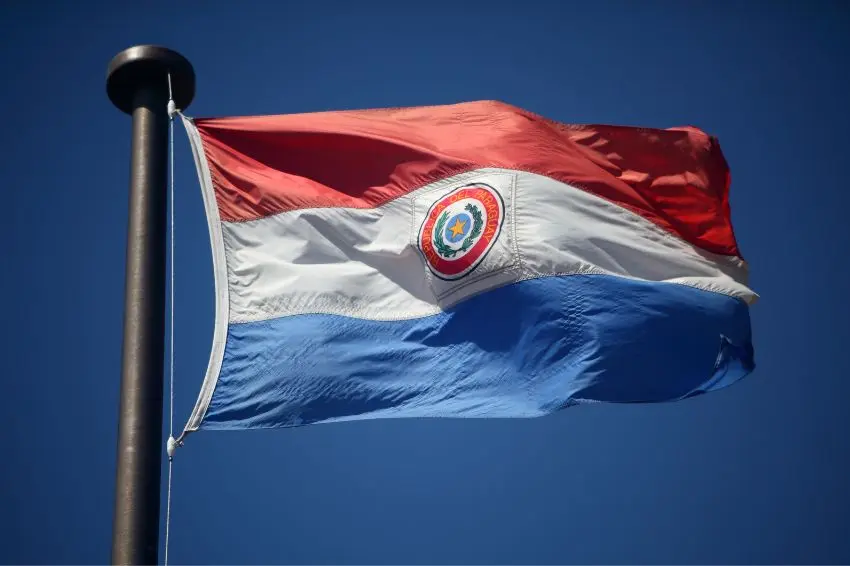
Paraguay has taken a decisive step toward modernizing its electricity sector with the regulation of Law No. 7.599/2025. By allowing the private sector to generate and export energy from non-hydro renewable sources, the neighboring country is attempting to reduce its vulnerability to water crises, opening the way for a new cycle of energy development.
Breaking the monopoly and gaining more autonomy.
The new legislation creates the category of "large consumer" (demand above 30 MW), who can now buy energy directly from private generators, without the mandatory intermediation of ANDE. Furthermore, allowing residential and commercial users to sell their surplus solar energy to the grid creates a direct incentive for distributed generation (DG).
Strategic Perspectives
Helte, a Brazilian distributor of solar solutions, is closely monitoring this trend. For the company, this scenario represents a significant opportunity for the expansion of integrators and for the strengthening of a more dynamic and decentralized market.
“Paraguay is decentralizing its energy. This generates a resilience that the country has never had, moving away from exclusive dependence on rainfall and river flow,” points out Dimael Monteiro, general director of Helte. “The predictability of contracts for up to 30 years is an attractive option for investors seeking long-term stability.”
For Helte, which projects reaching 3 GW of installed capacity by 2026, Paraguay presents itself as a strategic market for expansion. “We are paying attention. Where there is market opening, there is demand for logistical intelligence and cutting-edge technology. Our role is to support the integrator so that they deliver efficient and sustainable projects,” concludes the director.
all the content of Canal Solar is protected by copyright law, and partial or total reproduction of this site in any medium is expressly prohibited. If you are interested in collaborating or reusing part of our material, please contact us by email: redacao@canalsolar.com.br.


Comments (2)
Comments are moderated before publication.Comments should be respectful and contribute to a healthy debate. Offensive comments may be removed. The opinions expressed here are those of the authors and do not necessarily reflect the views of the author. Canal Solar.
Do you think the country can scale renewables fast enough to actually replace its hydro dependence, or will it stay mixed for a while?
see
It's very difficult. The cost of energy there is 5 times lower than in Brazil. Making a project viable there is like magic.