
The dream of owning a home is also the dream of having one's own solar energy. Amid rising energy tariffs and the search for greater financial predictability, Brazilians have broadened their focus to two pillars of autonomy: housing and electricity.
A recent survey released by Datafolha indicates that 93% of Brazilians who live in rented or borrowed properties want to own their own home – a trend that is also reflected in the growing interest in generating their own energy.
However, when it comes to solar energy, this dream still faces two extremes. On one hand, consumers who want to invest in their own system (on-site generation) are hindered by the initial installation cost, the bureaucracy of the distributors, and the physical limitations of their roof.
On the other hand, solar energy by subscription emerged as an alternative without construction work, but which keeps the customer as a "perpetual tenant," offering discounts that rarely exceed 20%.
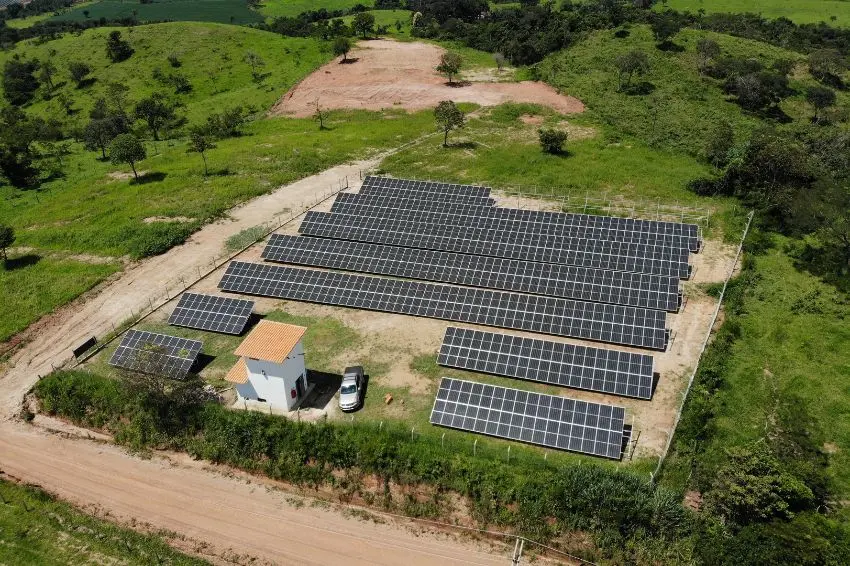
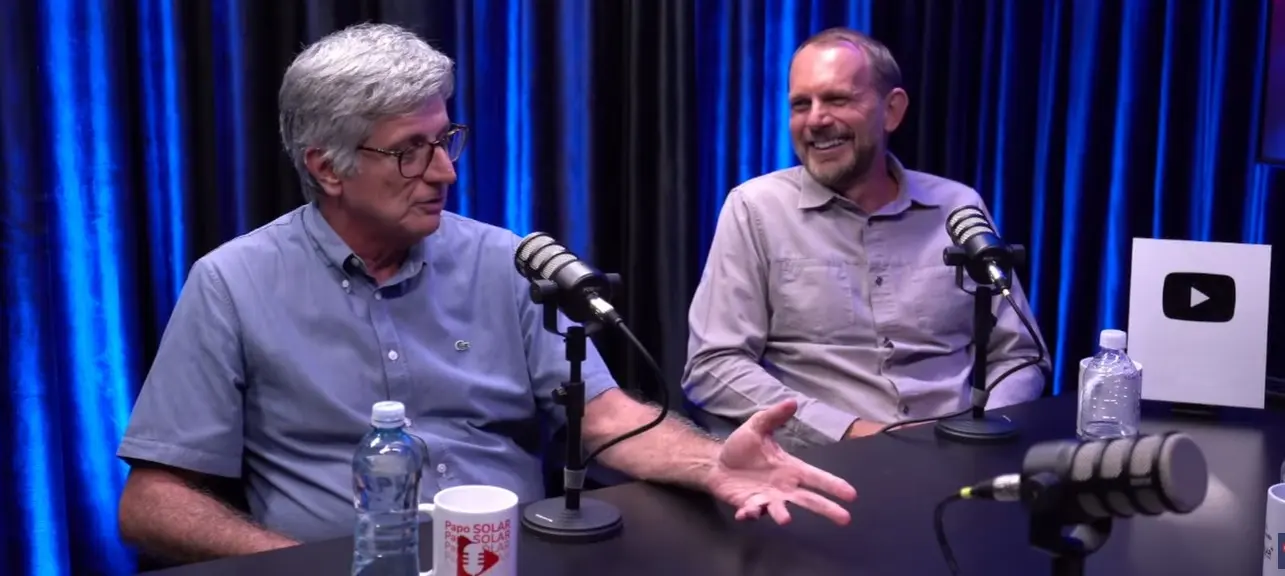
However, during participation in Solar Talk Podcast, from Group Canal SolarSunProper presented a different business model that promises "the best of both worlds," allowing consumers to participate in energy generation without needing to install panels, acting as "owners" of a fraction of the photovoltaic plant while guaranteeing savings of 80% on their electricity bill.
The logic of investment
The model is based on the sale of shares. Each unit costs, on average, R$ 3,5 and corresponds to an estimated generation of 1 MWh per year. This makes the investment more accessible: instead of spending, for example, R$ 20 on a complete photovoltaic system, the consumer can purchase only the volume necessary to meet their demand.
In addition to savings on electricity bills, the model presented by the company also allows for the trading of these shares. The client can, for example, sell their stake or transfer it to third parties, which adds an equity dimension to the investment.
Technical differentiator
Another central point of the proposal is the use of plants classified as GD1. These are projects connected before the changes brought about by Law No. 14.300, the Legal Framework for Distributed Generation (DG).
Because they operate under previous regulations, these power plants are not subject to the tiered charge of the so-called "Fio B," a tariff related to the use of the distribution network. In practice, this allows for full compensation of energy credits, which increases the potential for savings.
According to the company, the reduction in the electricity bill can reach around 80%, depending on the consumption profile. The contract can be made entirely online at [website address]. company website or with the support of specialized customer service.
Check out the full episode of Papo Solar and understand how the model works in practice.
all the content of Canal Solar is protected by copyright law, and partial or total reproduction of this site in any medium is expressly prohibited. If you are interested in collaborating or reusing part of our material, please contact us by email: redacao@canalsolar.com.br.