
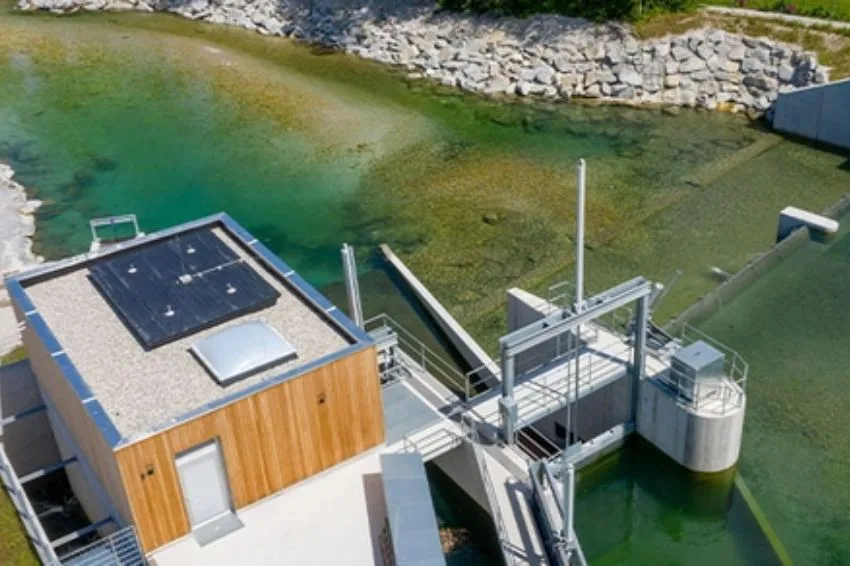
Small hydroelectric power plants (PCHs) represent one of the main sources of renewable energy generation in Brazil, combining low environmental impact, continuous generation, and a strategic role in the national electricity matrix.
With installed capacities ranging from 5 MW to 30 MW, small hydroelectric plants (PCHs) utilize the natural flow of rivers to produce electricity on a small scale. They are essential for supplying communities, rural areas, and local networks, reinforcing the security of the electrical system.
According to data from ANEEL According to the National Electric Energy Agency, the country has more than 520 small hydroelectric plants in operation, responsible for about 3% of the total generation capacity. Together, these plants demonstrate how it is possible to produce clean electricity with less social and environmental impact.
In this guide, you will understand:
- What is a small hydroelectric plant (PCH) and how does it work?
- What are its main advantages and limitations?
- The importance of small power plants in the Brazilian energy transition.
What is a small hydroelectric power plant?
A small hydroelectric plant (PCH) is a smaller-scale hydroelectric power plant, designed to generate electricity from the force of water, but with smaller reservoirs and operation more integrated with the environment.
By definition of ANEELA small hydroelectric plant (PCH) has a power output between 5 MW and 30 MW and a reservoir area of less than 13 km². This limitation reduces the impact on the ecosystem and makes environmental licensing simpler compared to large hydroelectric plants.
How does a small hydroelectric plant work?
The principle is the same as in large power plants: water is channeled to a turbine, whose rotation drives an electric generator. The difference lies in the scale and design of the project.
Small hydroelectric plants (PCHs) typically utilize rivers with lower flow rates and natural gradients, eliminating the need for large dams. The water flow is redirected through channels or penstocks, ensuring energy efficiency without significantly altering the river's course.

- Photo: Reproduction
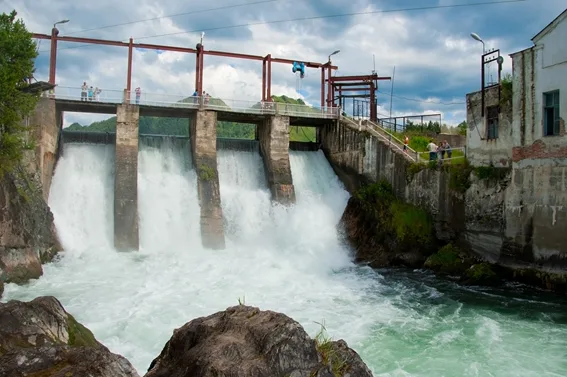
Furthermore, many small hydroelectric plants operate close to consumption centers, which reduces transmission losses and increases the reliability of the regional electrical system.
Where are small hydroelectric plants (PCHs) used?
As Small Hydroelectric Power Plants They are present in almost all Brazilian states, especially in regions with great water potential, such as Minas Gerais, Santa Catarina, Paraná, and Mato Grosso.
They serve a range of communities, from isolated areas to systems integrated into the SIN (National Interconnected System), contributing to the balance between energy supply and demand.
Small hydroelectric plants (PCHs) are also important for agribusiness, providing energy to rural enterprises and cooperatives, and for medium-sized industries seeking sustainable and stable supply solutions.
Small Hydroelectric Plant (PCH), Small Hydroelectric Generating Plant (CGH), and Large Hydroelectric Power Plant (UHE): What are
Second study by ABRAGEL (Brazilian Association for Clean Energy Generation)Hydropower plants up to 50 MW, which include small hydroelectric plants (CGHs), small hydroelectric plants (PCHs), and authorized large hydroelectric plants (UHEs), play a strategic role in national supply by generating energy close to consumption centers, reducing losses and strengthening the National Interconnected System (SIN).
Small hydroelectric plants (CGHs) have a capacity of up to 5 MW, small hydroelectric plants (PCHs) range from 5 to 30 MW, and authorized large hydroelectric plants (UHEs) operate in the 30 to 50 MW range, maintaining the national production chain and ensuring less impact on tariffs.
With hundreds of units distributed throughout the country, these projects offer social, economic, and environmental benefits to the regions where they are installed, including job creation, environmental monitoring, and support for local development. Together, small hydroelectric plants (PCHs), small generating plants (CGHs), and large hydroelectric plants (UHEs) expand the supply of renewable energy and contribute to decarbonization, reinforcing Brazil's commitment to a clean and efficient electricity matrix.
Advantages of small hydroelectric plants
Small hydroelectric plants (PCHs) offer a combination of economic, environmental, and strategic benefits:
- A renewable and clean source, with no direct emission of greenhouse gases;
- Low environmental impact, due to the small area of the reservoirs;
- Continuous generation, independent of sun or wind;
- Creation of local jobs during construction and operation;
- Strengthening the regional electrical system, with less transmission loss.

- Photo: Reproduction
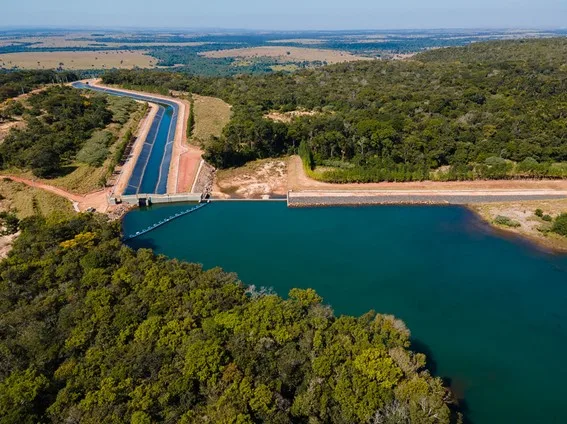
These characteristics make small hydroelectric plants (PCHs) an important component in diversifying the Brazilian electricity matrix, complementing other renewable sources such as solar, wind, and biomass.
Challenges and prospects
Despite the advantages, the sector faces obstacles such as bureaucracy in environmental licensing, high initial costs, and prolonged project approval times.
Furthermore, there is the challenge of balancing expansion with the preservation of aquatic ecosystems and dialogue with local communities.
Nevertheless, small hydroelectric plants remain one of the most promising sources for sustainable development, especially in regions with small rivers and limited infrastructure.
With new technologies and more streamlined regulations, small hydroelectric power plants are expected to play a strategic role in the energy transition and security of Brazil's electricity supply.
Conclusion
Small hydroelectric plants (PCHs) demonstrate that it is possible to generate clean and consistent energy without significant environmental impact. They are fundamental to strengthening Brazil's electricity grid, promoting regional development, and expanding the country's energy independence.
Want to understand more about the role of small hydroelectric plants in the energy transition? Follow the content from [website/source]. Canal Solar and stay up-to-date on trends and innovations in the electrical sector.
all the content of Canal Solar is protected by copyright law, and partial or total reproduction of this site in any medium is expressly prohibited. If you are interested in collaborating or reusing part of our material, please contact us by email: redacao@canalsolar.com.br.




Comments
Comments are moderated before publication.Comments should be respectful and contribute to a healthy debate. Offensive comments may be removed. The opinions expressed here are those of the authors and do not necessarily reflect the views of the author. Canal Solar.