
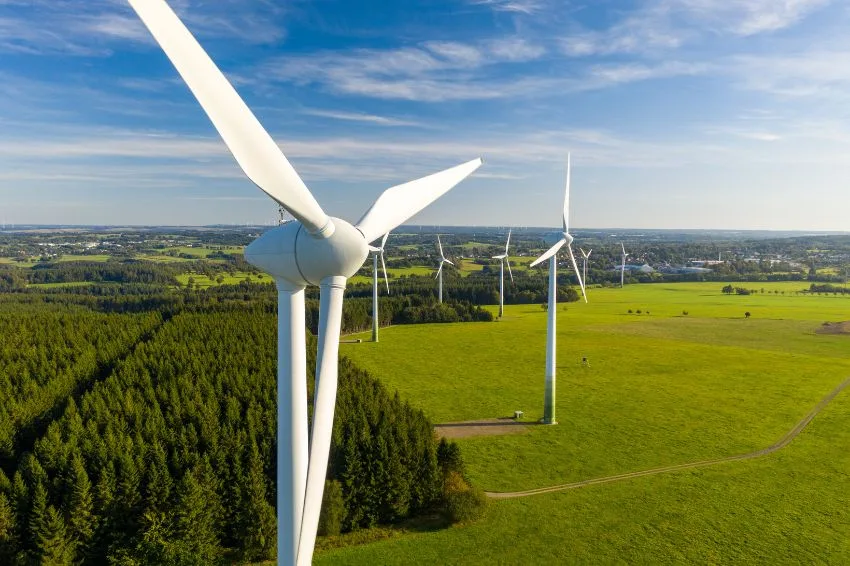
Electricity generation from renewable sources began to grow again among OECD (Organization for Economic Cooperation and Development) countries in March 2025, confirming a recovery trend after fluctuations in previous years.
According to data released by the IEA (International Energy Agency), clean energy production, which includes solar, wind and hydroelectric, totaled 358,7 TWh in the month, an increase of 4,5% compared to March 2024.
The growth was driven mainly by the expansion of solar energy, which increased by 28,8% in one year, equivalent to an additional 18,9 TWh. On the other hand, fossil fuels continue to account for a significant share of the OECD's electricity mix.
In March, these sources accounted for 392,9 TWh, or 43,2% of total generation, with a slight increase of 1,2% year-on-year. This data is particularly noteworthy due to the growth in the use of coal, which increased by 8,7% (up 10,7 TWh), offsetting the decline observed in the use of natural gas, whose generation fell by 2,6%.
The 6,6% (or -8,8 TWh) drop in hydroelectric production prevented renewables from performing even better. The decline was most pronounced in Europe, particularly in France, Italy, Switzerland and Turkey – countries that faced less favorable climate conditions for hydroelectric generation.
Even so, the growth of solar energy and the slight increase in wind generation (+3,1%, +3,5 TWh) contributed to maintaining the positive trajectory of clean generation.
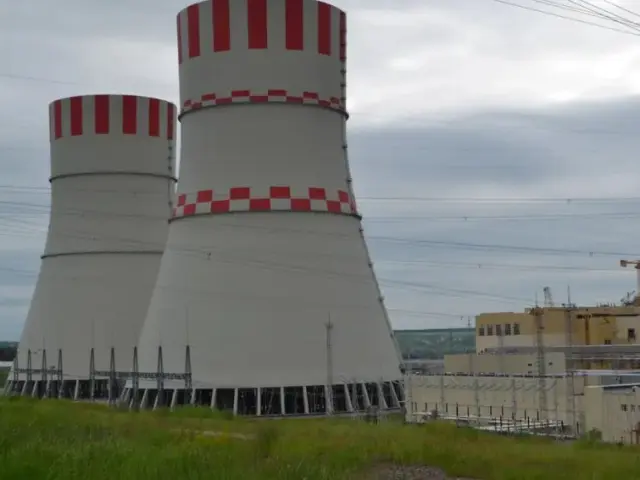
The nuclear sector also recorded growth of 4,8% (up 7,0 TWh), with a highlight on the performance of plants in Europe and Asia-Oceania. In the first quarter, nuclear production grew 16,5% in Asia-Oceania, signaling greater investment in the diversification of the energy matrix in the region.
In the case of coal, the increase in generation was mainly driven by the United States, with growth of 27,3% (+11,1 TWh), and Germany, with an increase of 16,9% (+1,6 TWh).
The growth partly reflects cyclical factors such as greater demand for energy security and specific climate conditions, but it also raises an alert about the resilience of more polluting sources in times of pressure on the system.
In total, net electricity generation in OECD countries reached 908,7 TWh in March, an increase of 3,1% year-on-year. Year-to-date, the increase was 3,5%.
all the content of Canal Solar is protected by copyright law, and partial or total reproduction of this site in any medium is expressly prohibited. If you are interested in collaborating or reusing part of our material, please contact us by email: redacao@canalsolar.com.br.




Comments (1)
Comments are moderated before publication.Comments should be respectful and contribute to a healthy debate. Offensive comments may be removed. The opinions expressed here are those of the authors and do not necessarily reflect the views of the author. Canal Solar.
Congratulations on the report Wagner.
We recently launched a shared energy project in Mato Grosso do Sul and other states in Brazil. The customer receives savings on their energy bill without having to install solar panels or any other equipment. We are looking for entrepreneurial partners in the country. Interested parties should call directly on watts 51984863327