
Mining is an energy-intensive industry. Digging, crushing and processing minerals requires a huge amount of energy, and mines often operate 24 hours a day, seven days a week. Like other industries, mining companies are looking for ways to reduce their emissions. This is both for the good of the planet and in response to growing pressure from their customers to adopt a more environmentally friendly approach.
More and more manufacturers that use minerals in their production chain are looking for ways to make their processes more sustainable. Although raw materials such as rare earth metals are essential for the manufacture of products such as electronics and electric vehicles, there is a great demand for suppliers of these inputs whose operations have a lower carbon emission intensity.
Brazil has rich metal reserves and produces and exports around 80 mineral commodities, making it the world’s sixth-largest mining industry. However, Brazilian mines are often located in remote regions and outside the energy grid, making their decarbonization options limited.
Without access to a grid, mines are often forced to rely on polluting generators and oil-powered vehicles to get the power they need. However, with the cost of renewable energy falling, decarbonization across the mining industry is becoming economically viable. As a result, industry operators are looking at how microgrids can provide them with access to renewable energy for off-grid operations.
Solar energy microgrids
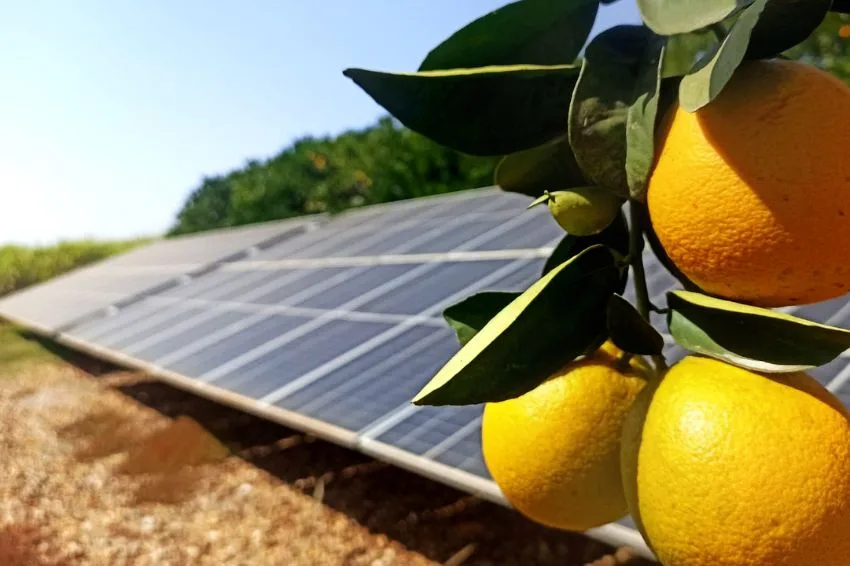
Solar PV is a proven technology that provides clean, affordable energy to help meet energy demand around the world. In this form, solar energy assets are typically connected to the grid, allowing any energy that is not consumed where it is generated to be fed back into the grid.
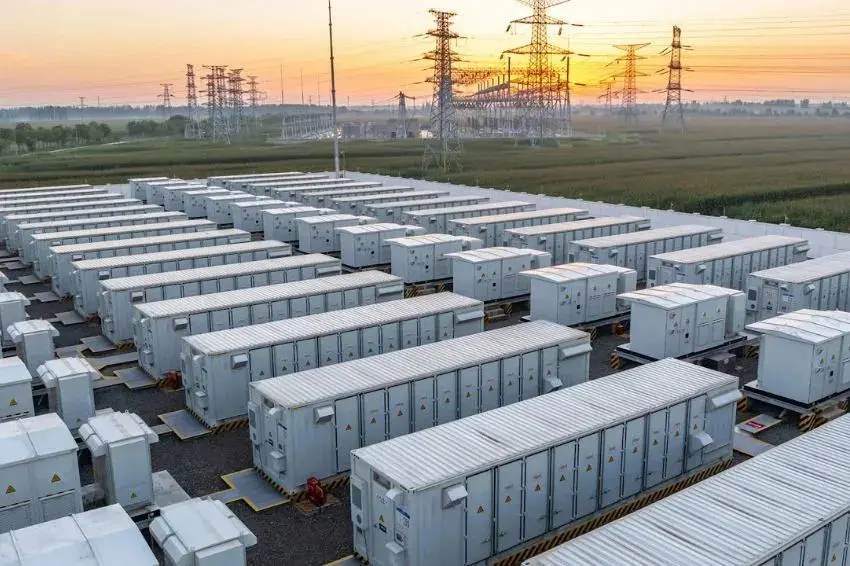
The main disadvantage of using solar energy alone is that it cannot generate power 24 hours a day. However, solar microgrids are hybrid solar energy generation and storage systems that provide access to electricity even when the sun is not shining. They act as local, self-sufficient energy grids that can serve a neighborhood, campus or business.
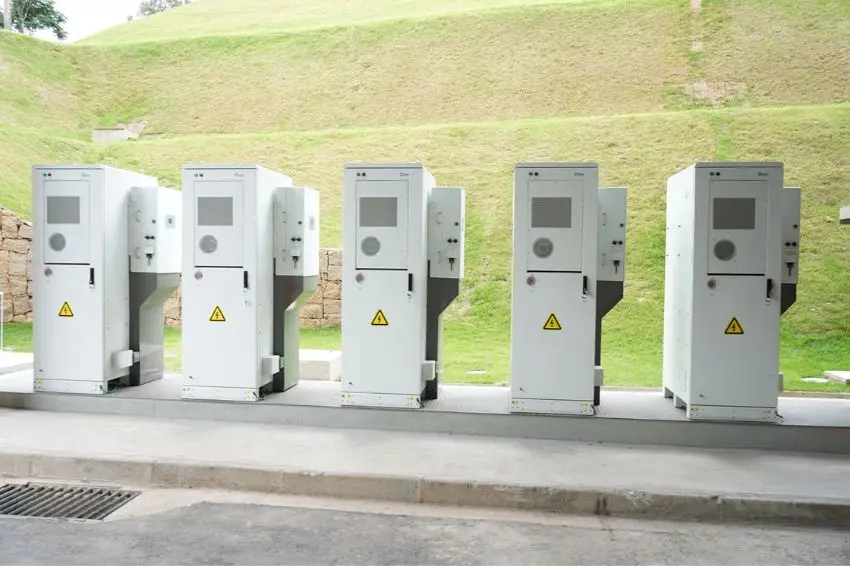
Microgrids can operate alongside an existing power grid, or completely independently of it. Currently, batteries are the simplest way to store energy. However, hydrogen is also becoming a viable solution as the cost of specialized equipment for this type of storage decreases.
Main benefits
Solar microgrids allow companies to decarbonize their off-grid operations by moving away from fossil fuel-based power generation. The power is generated on-site, eliminating the need for diesel fuel transportation. A 1 MW solar plant typically produces 2.000 MWh annually, which can replace about half a million liters of diesel.
Due to the low cost of equipment and the longevity of assets – which typically last up to 30 years – solar energy has become one of the most cost-effective energy sources. It also has relatively low maintenance compared to diesel generators, as well as greater reliability of supply and better commercial resilience.
Battery costs are also on a downward trajectory, with projections predicting a 50% decline from 2017 to 2030. Connecting a microgrid to the main power grid can also improve grid reliability by maintaining an optimal balance between energy production and consumption. Battery storage acts as a “backup backup” to compensate for generation failures.
Having a more reliable energy infrastructure brings economic value to society, increasing productivity and improving people’s quality of life. When a microgrid is connected to the energy grid, its operators can also support the grid operators. This is done by providing ancillary services to help them maintain a stable power frequency, through a grid balancing system.
In other words, in addition to being a source of electricity, the microgrid can also become a source of income. Energy consumption accounts for up to 30% of the operating costs of a typical mining operation, so any cost reduction can have a huge impact on the total value of the operation.
By committing to long-term renewable power purchase agreements (PPAs), typically ten to 15 years in length, mining companies gain access to cheaper energy. While the price of diesel is often volatile and unpredictable, PPAs provide buyers with predictable prices for their energy over the long term.
Another benefit of PPAs is that they allow companies to access low-carbon energy from solar PV farms without having to invest capital in their own power plants. Companies commit to buying a certain amount of electricity each year, over a set period, at an agreed rate.
Even with hybrid solar and battery storage systems, microgrid users can often benefit from having their own microgrid without having to pay any capital out of it. Some microgrid developers offer “battery storage as a service” business models, allowing customers to benefit from energy storage while paying for the batteries through the sharing economy.
Grid-independent operation is especially beneficial in certain regions of Brazil where grid reliability leaves much to be desired. In this case, microgrid users benefit from security of supply and reduced power outages.
Electrify to decarbonize
Mining companies in Africa and South America are already demonstrating what is possible through the adoption of renewable energy. The Zaldívar copper mine in Chile will be the first mine in Latin America to operate on 100% renewable energy. As a result of a ten-year agreement to purchase renewable energy from Chilean utility Colbun, the mine will reduce its emissions by 350 tons per year.
The Vametco mine in northwestern South Africa recently announced that it will use vanadium redox flow batteries (VRFB) to store energy from a 3,5 MW solar PV plant. The microgrid will supply nearly 10 percent of the mine’s electrical needs. VFRB technology can provide nearly unlimited power capacity by utilizing electrolyte storage tanks.
The electrification of mining equipment, such as trucks and excavators, is in its early stages. Currently, only 0,5% of mining equipment is fully electric. However, the cost of ownership of battery electric vehicles compares favorably to internal combustion engine vehicles.
Hydrogen-powered vehicles are another zero-emission option for decarbonizing a mining operation, especially for large facilities that would otherwise require massive (and heavy) batteries to provide sufficient power. Hybrid solar microgrid systems offer mining companies a commercially viable path to increase their use of renewable energy and begin their decarbonization journey.
Because microgrids provide more affordable and predictably priced electricity, as well as grid autonomy and greater supply resilience, their adoption is becoming an increasingly important part of the decarbonization strategy for mining companies.