

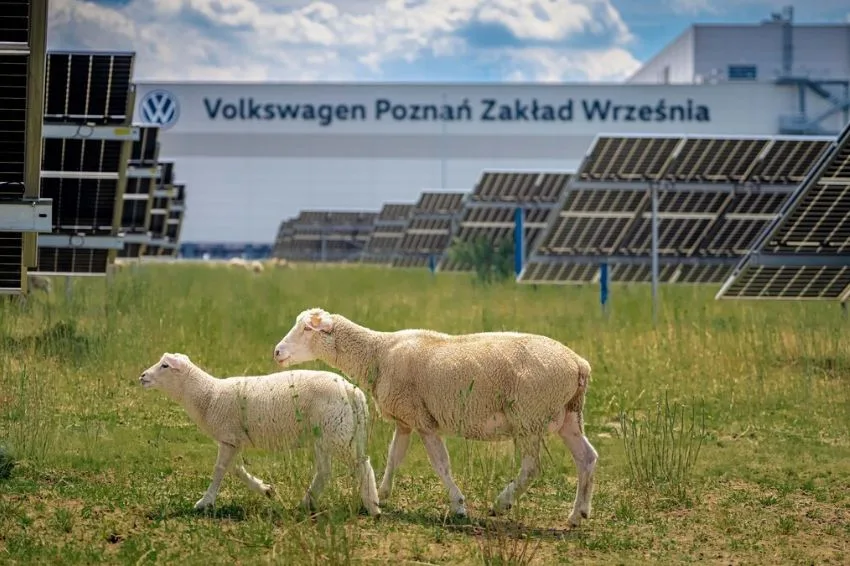
The combination of solar energy generation and agricultural activity has been gaining ground in different countries as a way to optimize land use.
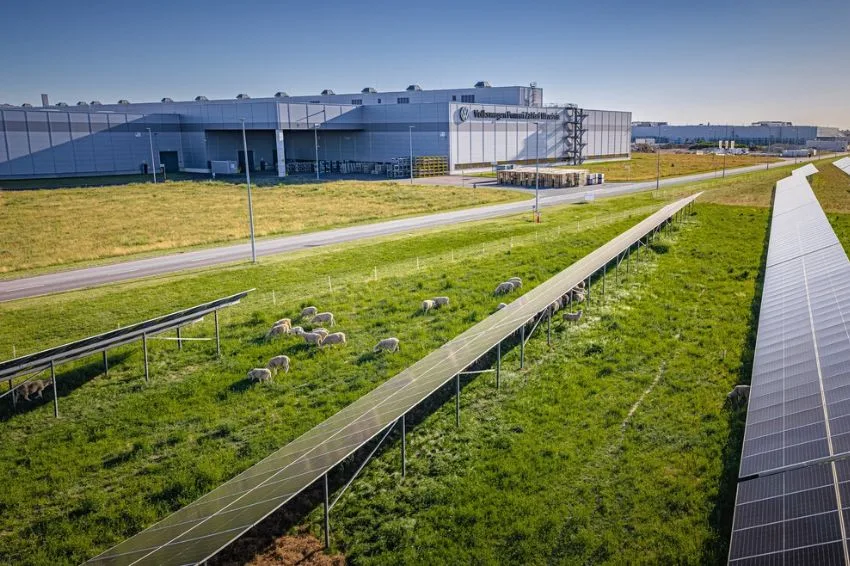
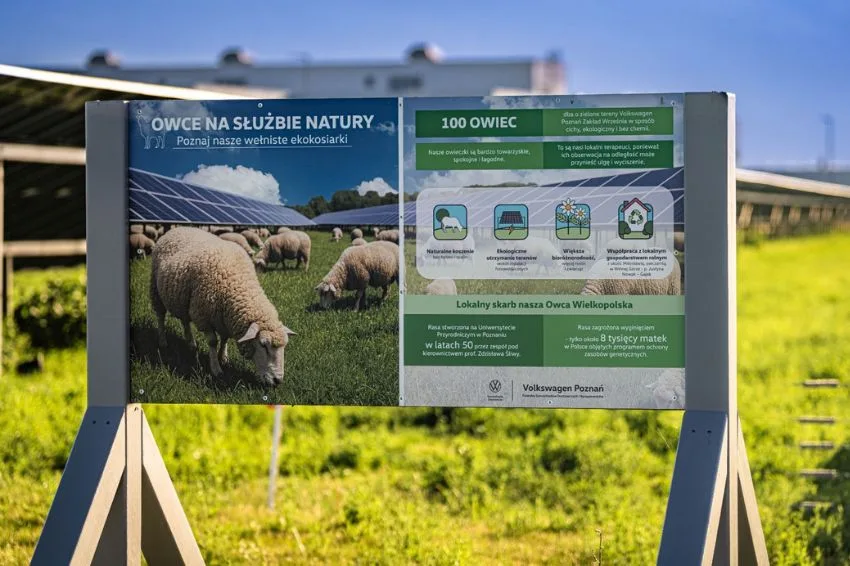
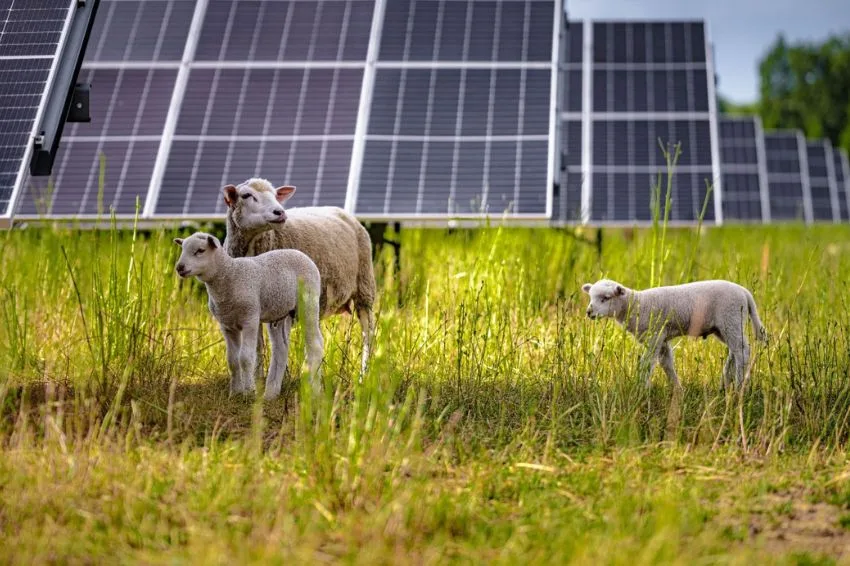
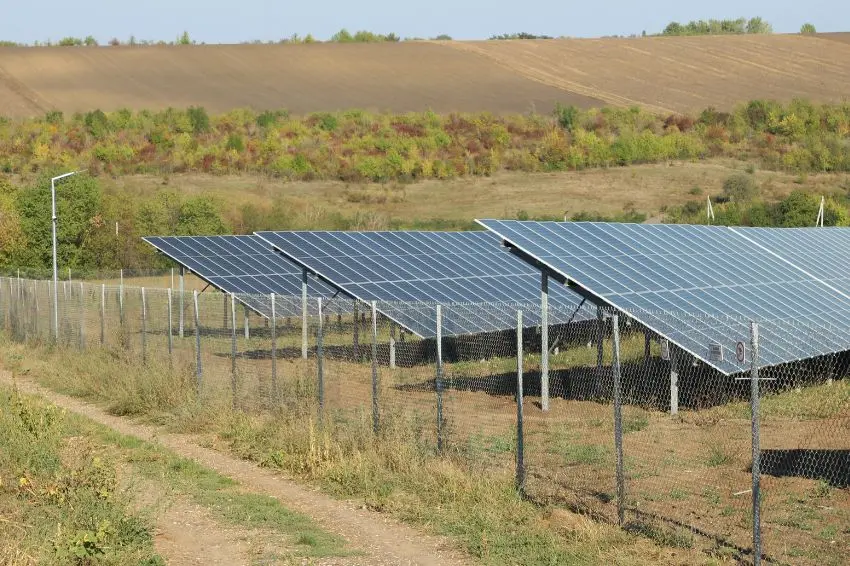
At the Volkswagen factory in Poznań, Poland, this integration began with the help of a flock of 100 sheep, responsible for controlling the vegetation under more than 31 photovoltaic modules.
In total, the plant has an installed capacity of 18,3 MW and partially supplies the unit where the automaker's vehicles are produced.
On days with high solar irradiance, the generation is sufficient to supply the entire factory's demand. Throughout the year, however, it accounts for about 25% of the unit's consumption.
In addition to reducing the need for mechanical vegetation cutting, the initiative is part of an agrivoltaic project, a model that combines energy generation and agricultural activity in the same area.
The use of sheep in solar power plants is already a known practice in countries such as the United States and the United Kingdom.
However, Volkswagen states that the project developed in Poznań stands out because it is associated with a scientific program focused on evaluating the environmental impacts of the initiative.
Researchers at the Poznań University of Life Sciences monitor indicators such as soil quality, microclimate, vegetation, biodiversity, and animal welfare.
The goal is to understand how grazing influences the power plant's ecosystem and how the shade from the modules can help reduce heat stress in animals during the hottest periods.
"Agrivoltaics allows us to look at photovoltaic farms from a much broader perspective than just energy generation," said Joanna Składanowska-Barzya, a researcher at the university.
Benefits for the operation
According to Volkswagen, in addition to reducing the costs of vegetation maintenance, grazing decreases the use of machinery, reduces emissions associated with mechanical cutting, and creates a more favorable environment for insects and other wildlife.
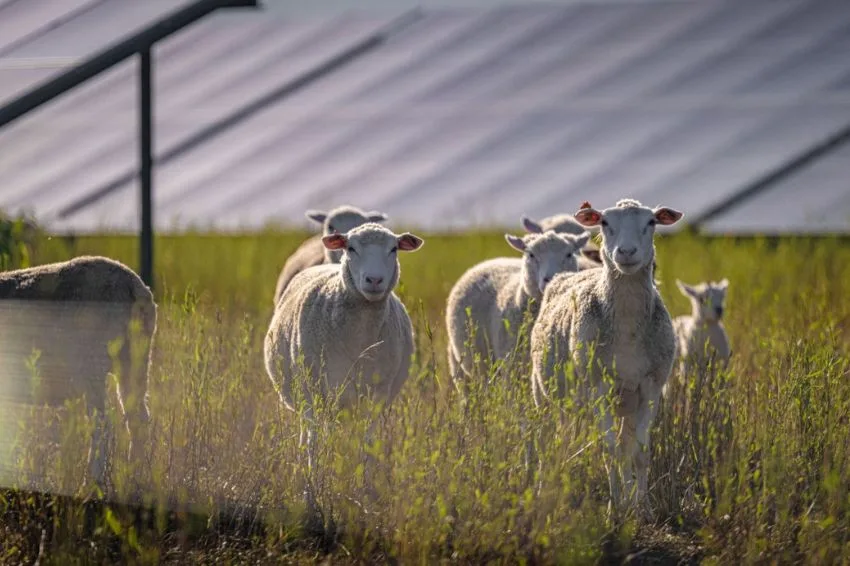
A local resident and person in charge of the flock. He comments that the sheep adapted quickly to the environment and began to move naturally between the rows of modules.
According to her, the animals usually spontaneously divide themselves into small groups while grazing, a behavior considered an indication that they feel safe in the area.
For the automaker, the initiative reinforces the potential of agrivoltaics as an alternative to combine renewable energy generation, environmental preservation, and agricultural activities in the same space.
all the content of Canal Solar is protected by copyright law, and partial or total reproduction of this site in any medium is expressly prohibited. If you are interested in collaborating or reusing part of our material, please contact us by email: redacao@canalsolar.com.br.


An answer
Forty years ago, Eng. Akio Kussumi, maintenance manager at Villares, now Iesa in Araraquara, kept a hundred goats to repair the grass in the gardens of the industrial area.