
The discussion about the new discount rule for irrigation seems to have become stuck on the tariff benefit. This makes sense, because energy is a significant cost in rural operations, and any change affects the producer's bill. But the Ministry of Mines and Energy Normative Ordinance No. 137, of June 8, 2026This points to something bigger. She begins to treat rural consumption as a matter of timing, not just as a charge that appears on the network.
For many years, reserved time slots significantly shaped the relationship between energy and irrigation in the field. Producers used energy during periods of lower demand, usually in the early morning hours, and received a tariff benefit for it. Irrigating at those times became almost a rule of operation for many people.
It was a way to protect costs, even when the farm's routine, staff, or management might suggest a different arrangement.
The electrical system has changed more than just that rule. Solar power has gained importance, distributed generation has grown, the grid has begun to cope with more resources connected at the endpoints, and the timing of consumption has become more crucial. There are times with more energy available and less load to absorb. At other times, solar power starts to decrease and the load becomes significant again. This difference already affects cost, operation, grid, and investment decisions.
The new regulation maintains the 8 hours and 30 minutes daily discount, but allows this period to be used continuously or in installments. Consumers gain more flexibility to define their schedule and use different programming throughout the year. At the same time, the benefit does not apply between 17 PM and 21:30 PM, a sensitive period for the system, when solar generation weakens and the load tends to recover.
The design is relevant. The rule doesn't bind the producer to the old logic of the early morning hours, but it also doesn't create total freedom. It opens up space for a decision closer to the reality of production and preserves a limit at a time that the system doesn't want to encourage.
For me, the novelty lies not only in changing the discount schedule. It lies in the fact that the sector is beginning to acknowledge that rural consumption times can also be part of the operation.
This is not yet a formal response to demand. The irrigation load is not yet dispatched by the operator, it does not become a market product, and it does not receive explicit remuneration for reducing or shifting consumption. Even so, the direction is relevant.
Consumers are starting to organize part of their load based on a schedule, cost, and network usage guideline. This is an initial step towards better discussing the management of rural load scheduling.
The producer without their own generation is perhaps the simplest case to understand this change. For them, the flexibility lies in the load itself. Previously, the tendency was to follow a more rigid nighttime window. Now, they can evaluate other blocks within the permitted period, including with different scales throughout the year.
This doesn't mean scheduling irrigation for the day as a rule. Irrigation depends on the crop, soil, wind, temperature, plant stage, water availability, personnel, and crop risk. A good window for the electrical system may not be the best for production.
The benefit lies in enabling a more technical decision. For the producer, this shouldn't mean more complexity. It should mean a more informed decision about when to use the grid without harming the crops. Even without solar or batteries, they have a significant load that can be shifted when it makes sense. The consumer stops simply receiving a tariff and begins to manage the timing of a significant portion of their consumption.
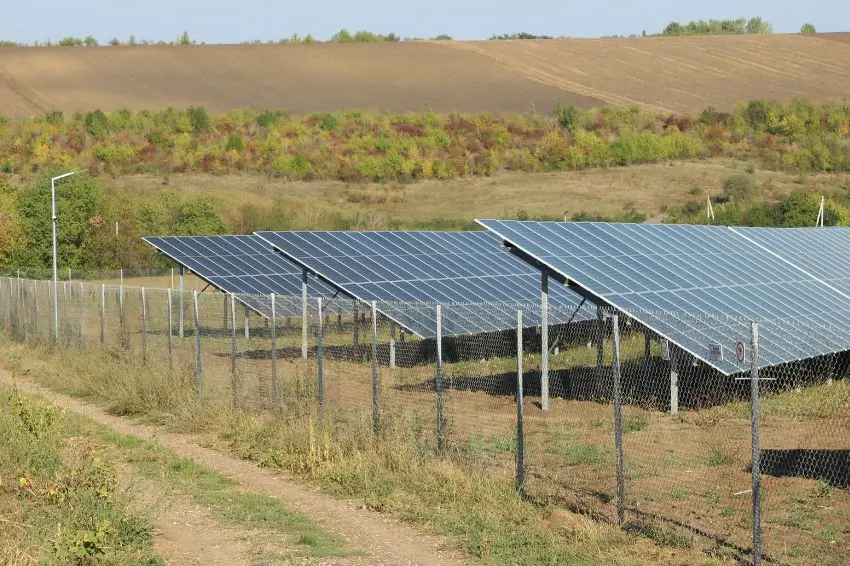
The producer with solar power brings another layer. In this case, the discussion is no longer just about when to use the grid, but also involves when to consume their own generation. The new rule does not transform solar energy into subsidized energy, nor does it unilaterally alter the billing logic. What it does is create more room for the producer to better organize the relationship between load, self-generation, and discount window.
With greater flexibility, solar power can be used when it makes sense for farm operations, while some grid consumption can remain tied to the formalized irrigation scale. This point needs to be handled carefully. Solar power doesn't eliminate the irrigation discount, but it also doesn't multiply the benefit.
It increases the producer's options for deciding when to consume their own energy, when to use the grid, and when to preserve the crop's needs.
Rural consumption in distributed generation grows 60% in two years in Brazil
The discount remains linked to billable grid consumption within the recognized scale. Energy consumed directly from the solar power plant does not receive a discount because it was not billed by the distributor. Even so, solar power increases the producer's options. They can now decide between consuming, injecting, offsetting, shifting load, or using the grid during a more favorable time window. In a system where time of day is increasingly important, this operational freedom begins to have value.
For the system, this behavior can be helpful in some situations. A producer with solar power cannot single-handedly solve renewable generation cuts, grid restrictions, or low net load. Even so, in regions with a lot of distributed generation and programmable rural loads, consuming more efficiently on-site can have a positive effect.
The value lies not in a single unit. It lies in the possibility of better coordinating many consumptions previously viewed only as common demand.
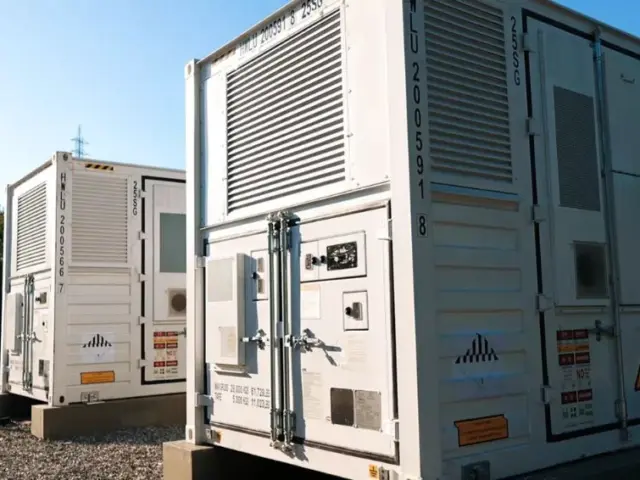
The producer using solar and batteries takes this discussion to a more sophisticated level. The battery should not be treated as a way to artificially increase the tariff benefit. Its role is to separate the time when energy is generated from the time when it is used.
With solar power and energy storage, producers can generate energy during the day, store some of it, reduce consumption during off-peak hours, preserve grid consumption for times when discounts are worthwhile, and maintain greater security for farm operations.
The property begins to operate with more energy options. The conversation is no longer just about having solar power. It starts to involve when to consume self-generated energy, when to store energy, when to import from the grid, when to use credits, when to avoid certain times, and when the needs of the crops should prevail over economic considerations. It's a more mature conversation than simply selling equipment and is closer to what the system tends to need, which are consumers capable of adjusting part of their consumption without compromising economic activity.
The benefit to the grid doesn't automatically appear just because there's solar or a battery behind the meter. It depends on measurement, control, location, compensation rules, tariff modality, operational quality, and dialogue with the distributor. Without this, the asset may make sense for the consumer, but not necessarily deliver something useful to the grid. When properly measured, this flexibility can manifest as shifted load, increased self-consumption, lower consumption during peak hours, or reduced local injection.
The distributor also comes into play. The new rule gives preference to the consumer in defining the scale, but the flexibility needs to fit within the local network. Without measurement, formalization, and technical criteria, a good idea can turn into a billing dispute or operational uncertainty. This shows that the quality of the implementation will be as important as the rule itself.
The discussion becomes simplistic when limited to whether the measure improves or worsens the viability of a specific project. This question matters to each producer, but it is too narrow to understand the movement. The bigger issue is how agriculture will manage energy in a system that is more time-sensitive, more renewable, and with more distributed resources.
For those serving this client, the conversation is no longer just about sizing or discounts. It begins to involve curve reading, tariff classification, use of credits, demand, irrigation windows, and the risk of a poorly coordinated decision.
An isolated producer may have a small impact. Irrigated areas, cooperatives, agro-industries, and programmable load systems begin to carry more weight when analyzed together. Which loads can change their schedule without harming production? When does it make sense to consume one's own generation? When should credits be preserved? When should the grid be used? When should the economic signal yield to the needs of the crop?
The reserved time slot was a solution from another phase of the electricity sector. Agroflexibility combines better with a system where timing matters more, the grid has become more sensitive, and distributed generation has become part of the real operation. The relevant change may lie there: making rural consumers view consumption timing as energy management.
The opinions and information expressed are the sole responsibility of the author and do not necessarily represent the official position of the author. Canal Solar.




Comments
Comments are moderated before publication.Comments should be respectful and contribute to a healthy debate. Offensive comments may be removed. The opinions expressed here are those of the authors and do not necessarily reflect the views of the author. Canal Solar.