
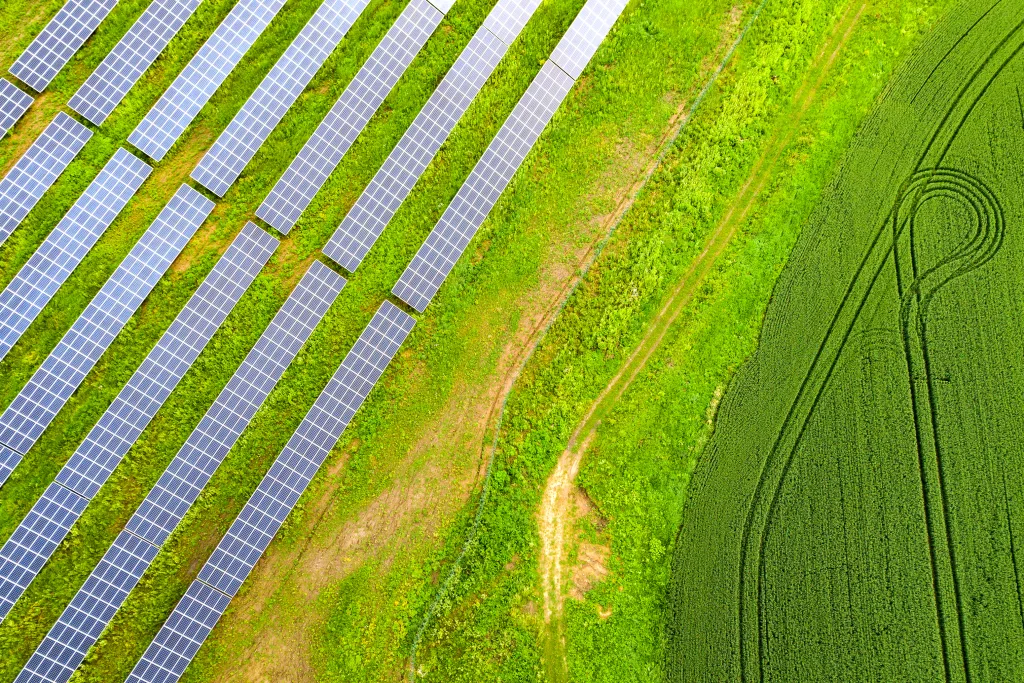
Data from ANEEL (National Electric Energy Agency), systematized by ABGD (Brazilian Association of Distributed Generation), show that the rural consumption class in GD (Distributed Generation) grew by around 60% between June 2023 and June 2025, going from 3,5 GW to 5,6 GW of installed power.
According to the association, the rural sector already represents 13% of all installed DG capacity in Brazil, which currently exceeds 42 GW. DG is present in 5.559 of the 5.570 municipalities and has established itself as a fundamental energy strategy for the Brazilian countryside.
For Carlos Evangelista, president of ABGD, energy is no longer just an operational cost in the field and has begun to play a more strategic role.
"DG plays a strategic role in diversifying the energy matrix. It allows for reduced emissions, expands access to energy in remote regions, and ensures greater predictability in supply, without relying on fossil fuels or water fluctuations," he noted.
According to Evangelist, the GD has been decisive in guaranteeing energy autonomy and economic viability to properties that were previously marginalized from the traditional grid.
In addition to the economic impact, the expansion of DG in rural areas is aligned with international requirements for sustainable practices and ESG (environmental, social and governance) criteria.
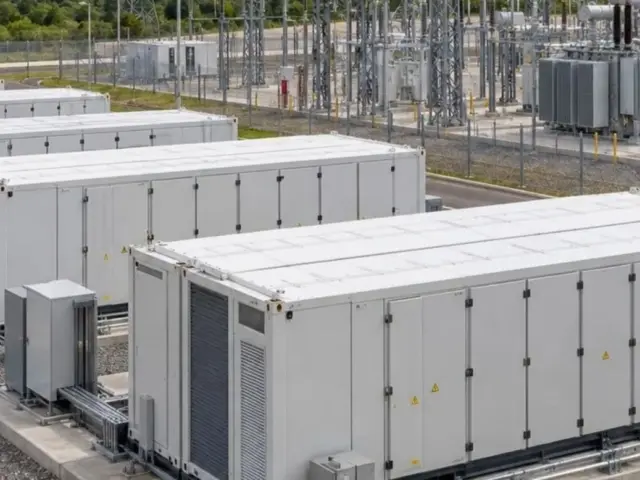
One of the sector's bets for the next growth cycle of rural DG is the inclusion of systems energy storage.
By allowing producers to store the surplus generated during the day for use during periods of higher demand or lower production, such as at night or on cloudy days, storage ensures greater autonomy, stability and energy resilience.
"In some regions of the country, storage is already economically viable, demonstrating its potential for immediate expansion. With integrated batteries, producers can store excess energy generated during the day and use it during periods of low production or higher demand, such as at night or on cloudy days.
"This reduces dependence on the power grid, ensures greater supply stability, and increases the autonomy of properties, especially in remote areas. Furthermore, storage contributes to the resilience of the energy system as a whole, minimizing the effects of fluctuations and interruptions in conventional supply," emphasized the ABGD president.
all the content of Canal Solar is protected by copyright law, and partial or total reproduction of this site in any medium is expressly prohibited. If you are interested in collaborating or reusing part of our material, please contact us by email: redacao@canalsolar.com.br.


Comments
Comments are moderated before publication.Comments should be respectful and contribute to a healthy debate. Offensive comments may be removed. The opinions expressed here are those of the authors and do not necessarily reflect the views of the author. Canal Solar.