
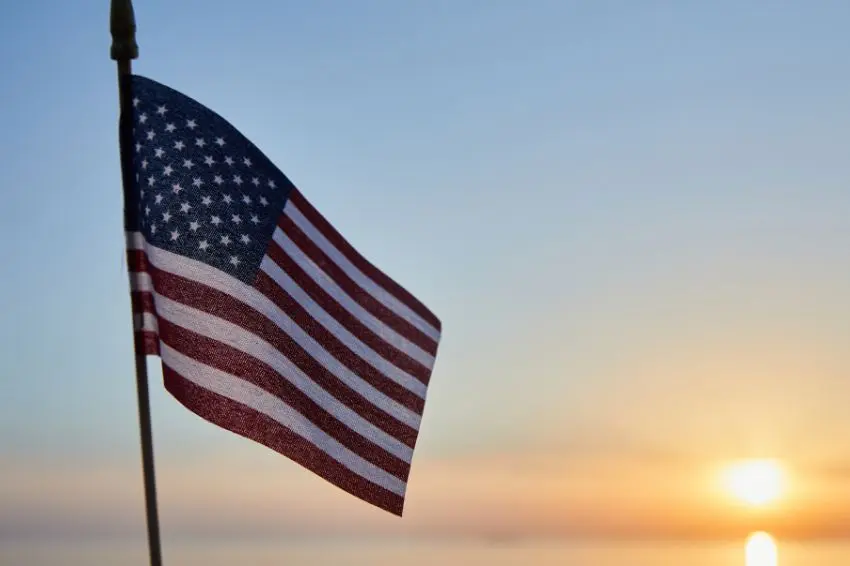
The FCC (Federal Communications CommissionThe United States' decision included power inverters manufactured in foreign countries in the category of equipment considered a national security risk. The decision also extended to include advanced robotic devices manufactured abroad.
According to statement releasedThe update was carried out after an interagency group within the U.S. executive branch concluded that this equipment represents "unacceptable risks" to the safety of the American population.
According to the ruling, inverters produced abroad can create vulnerabilities in the supply chain, compromise economic and national security, and pose cybersecurity risks to the country's critical infrastructure.
What were the justifications?
According to US authorities, the remote connectivity present in many inverters increases the risks associated with this equipment.
According to the document, these vulnerabilities could, under certain circumstances, allow foreign agents to remotely shut down the inverters, collect data, and exploit the devices in cyberattacks against critical infrastructure.
What changes in practice?
The update of Covered List (The official list of technologies banned by the US government) does not affect equipment already installed or purchased by consumers, nor does it prevent retailers from continuing to import or sell older models that had already received FCC authorization. previously.
In practice, the restriction will apply to new inverter models manufactured abroad that still need to obtain certification from the agency to be imported, marketed, or sold in the North American market.
According to the FCC, equipment included on the Covered List will no longer be eligible for new certification authorizations, a requirement normally necessary for electronic devices to legally enter the United States market.
Exception provided for
The United States government's decision provides an exception for manufacturers that obtain the so-called Conditional Approval (Conditional Approval, in the Portuguese translation).
In the case of inverters, the equipment that receives this approval from the DHS (Department of Homeland Security) or from DoW (Department of War) may remain eligible to obtain FCC certification.
all the content of Canal Solar is protected by copyright law, and partial or total reproduction of this site in any medium is expressly prohibited. If you are interested in collaborating or reusing part of our material, please contact us by email: redacao@canalsolar.com.br.


Comments
Comments are moderated before publication.Comments should be respectful and contribute to a healthy debate. Offensive comments may be removed. The opinions expressed here are those of the authors and do not necessarily reflect the views of the author. Canal Solar.