
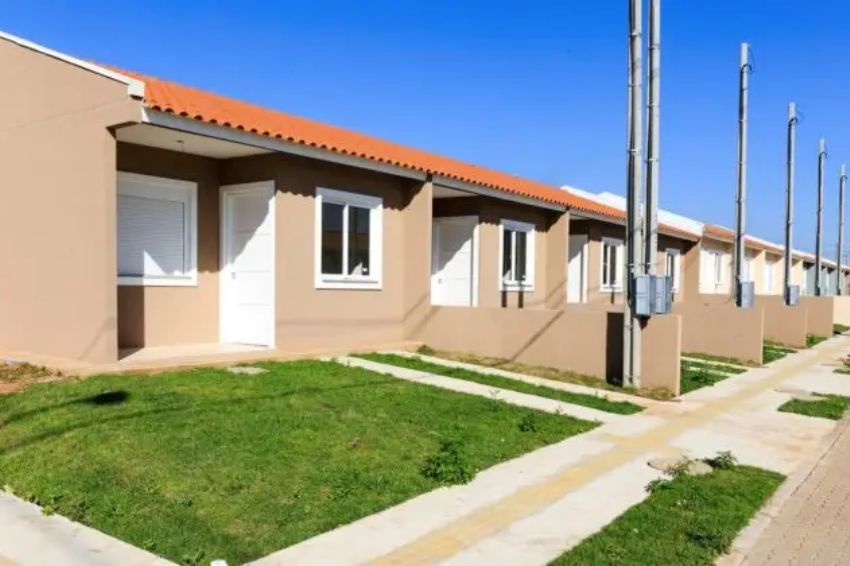
As reported by Canal Solar, the Senate approved last week the MP (Provisional Measure) that recreates and allows the use of solar energy systems in constructions financed by the SCHEDULE My home, my life.
The document was sent for presidential sanction, but a last minute information may derail the initiative.
That's because, the ANEEL (National Electric Energy Agency) forwarded um craft to MME (Ministry of Mines and Energy) asking that the use of solar energy in the program is vetoed by the Federal Government.
A Agency alleges that the source implementation in Minha Casa, Minha Vida increase os distributor costs more than R $ 1 billion and that this value would be passed on to Brazilian consumers who do not have their own energy generation.
A ANEEL also criticized the senators' decision to approve the mandatory purchase of surplus electricity generated by these consumers by distributors.
Criticism of ANEEL
The letter forwarded by ANEEL to the MME was criticized, this Tuesday (20), by associations that defend the promotion of renewable energies in Brazil.
A Revolusolar, an organization that brings solar energy to needy communities and that closely monitors the reality of residents served by social programs in Brazil, highlights that the removal of the inclusion of devices that encouraged the use of solar energy in the Minha Casa, Minha Vida program represents a great defeat for the low-income population.
“The biggest cost for the low-income population in Brazil today is the electricity bill and solar energy is a unique opportunity to solve the problem of energy poverty. A government that claims to be concerned about the country's environmental and social issues has an obligation to encourage the use of solar energy by the poorest”, commented Eduardo Avila, executive director of Revolusolar.
INEL highlighted that “the system is forcibly taking away the right of the poorest to generate their own energy. It is difficult to comment on losses without the calculations being made available. However, logically, if such calculations had been made during a period of water crisis, with the value of energy (PLD-NE) at R$584, this loss of R$1 billion would not even exist. The methodology is flawed.”, said Tassio Barboza, said deputy secretary of solar energy at the institute.


Comments (1)
Comments are moderated before publication.Comments should be respectful and contribute to a healthy debate. Offensive comments may be removed. The opinions expressed here are those of the authors and do not necessarily reflect the views of the author. Canal Solar.
It is unfortunate to see that the ANEEL It has become an extension of ABRADEE, and it is at times like these that I see the importance of law 14300. The argument of burdening other consumers loses all meaning when it comes to blocking the access of the poorest population to the right to produce energy.