
The energy transition is not only an urgent need to combat climate change, but a strategic opportunity for Brazil to reposition itself on the global stage.
The concept of “green reindustrialization” emerges as an intelligent solution, aligning the country’s productive sector with a more sustainable future. This is a profound transformation in the way we generate and consume energy, which drives Brazil towards a modern economic model, based on renewable energy and technological innovation.
The adoption of sustainable development policies and encouragement of energy transition in the production sector could increase demand for electricity by 3,1% to 6% per year between 2028 and 2034.
In a moderate growth scenario, additional investments in wind and solar generation should reach R$163,6 billion; in a scenario of accelerated growth, this value could reach R$275,3 billion.
A solar energy has a higher potential for returns compared to wind power. In the moderate scenario, investments in solar would reach R$115,2 billion, compared to R$48,4 billion in wind power.
In the accelerated scenario, the difference widens, with R$193,9 billion allocated to solar, while wind energy would receive R$81,4 billion, consolidating solar as one of the main bets for the national energy future.
During COP 29, Brazil has stated a commitment to reduce its greenhouse gas emissions by up to 67% by 2035, compared to 2005 levels. This commitment highlights the urgency of accelerating the transition to a clean and efficient energy matrix, through public policies that encourage the use of renewable energy, without compromising economic growth.
Since 2015, Brazil has experienced considerable growth in renewable energy sources, reflecting its immense potential in this sector. According to the 2023 National Energy Balance, solar, wind and biomass energy now account for almost half of the country's electricity matrix.
Renewable sources currently account for 89,8% of the installed capacity for generating electricity, an important milestone that places Brazil at the forefront of the global energy transition. With the possibility of increased demand for electricity from 2028 onwards, Brazil needs to be prepared for this transition, which guarantees a window of opportunities.
The PDE 2034 (Decennial Energy Expansion Plan) estimates that, between 2025 and 2028, demand will grow by 2,8% per year, with higher rates reaching 3,1% per year between 2029 and 2034. This scenario will drive investments of R$328,4 billion in solar photovoltaic and wind energy generation.
However, if Brazil follows a path of green reindustrialization, with the implementation of more aggressive decarbonization policies, investments could exceed R$492 billion, resulting in an increase in per capita electricity consumption, with a projection of 4.778 kWh/year by 2034, and up to 5.275 kWh/year by 2052.
In an even more optimistic scenario, in which the country adopts a robust green reindustrialization agenda, Brazil could attract up to R$603,7 billion in investments by 2034. This dynamic would not only boost energy generation, but would also raise per capita electricity consumption to levels close to those of developed countries by around 2040.
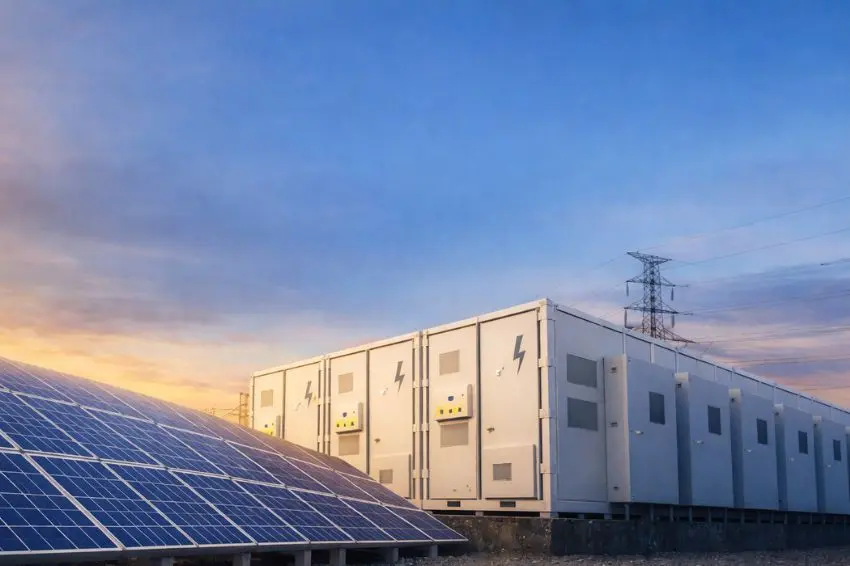
For this to happen, Brazil needs to have a well-established regulatory framework in key sectors, adapting its rules to attract new investments, especially in emerging technologies such as green hydrogen, energy storage and offshore wind farms.
The key will be to create a business environment conducive to innovation, while avoiding burdening consumers and taxpayers with excessive costs.
Brazil is in a privileged position to lead this green revolution, not only because of its abundance of natural resources, but also because of its capacity for innovation in the energy sector.
With adaptive regulation and strategic investments, the country can ensure a more sustainable and competitive future, both in the domestic and global markets.
The opinions and information expressed are the sole responsibility of the author and do not necessarily represent the official position of the author. Canal Solar.