
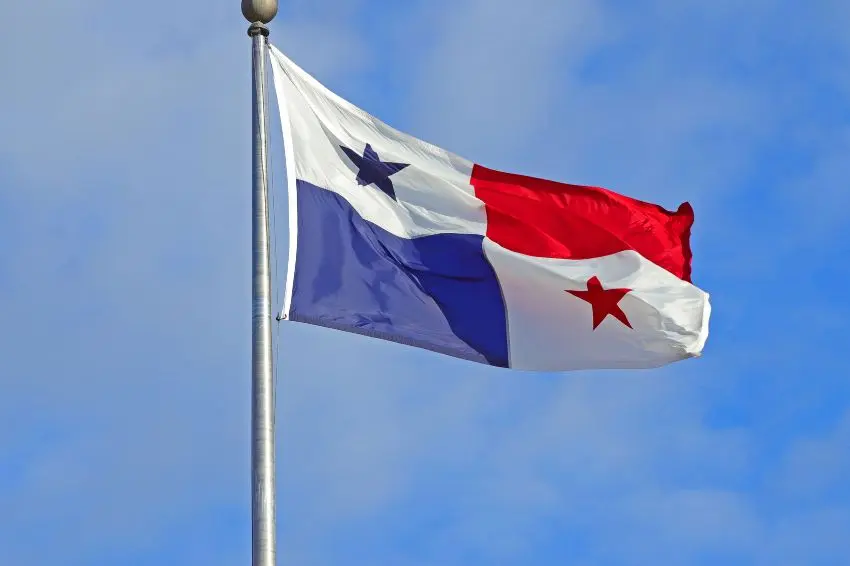
Panama has an electrical system based on a combination of energy sources, historically dominated by hydroelectric generation, complemented by thermal power plants and, more recently, by renewable sources such as solar and wind power.
Over the past few decades, the country has been promoting changes in its energy matrix to reduce risks associated with climate variability and dependence on fossil fuels.
Currently, electricity generation in Panama is diversified, with hydroelectric power plants being the most prominent, still accounting for a significant portion of production.
However, periods of drought have led the country to resort more frequently to thermal power generation, based mainly on petroleum derivatives and natural gas.
Importance of hydroelectric power plants
Historically, hydroelectric power plants have formed the basis of the Panamanian electricity system. Plants located in strategic river basins guarantee a large part of the country's energy supply.
Despite this, the dependence on weather conditions makes the system vulnerable during periods of drought, which reinforces the need for diversification of the energy matrix.
Thermal and renewable energy generation
To ensure security of supply, Panama maintains a significant thermal power generation park, mainly used as a supplement during periods of low hydroelectric generation.
In recent years, the country has also encouraged the expansion of unconventional renewable energy sources, such as solar and wind power. Distributed generation projects and large-scale solar power plants have been gaining ground, contributing to reduced costs and emissions.
Diversification among hydroelectric, thermal, and renewable energy sources allows for greater stability in the electrical system throughout the year.
Institutional structure
The Panamanian electricity sector is structured with both public and private participation. Following reforms implemented in recent decades, the country adopted a model that separates generation, transmission, and distribution.
The transmission of energy is the responsibility of the state-owned company. Electric Transmission Company SA., which operates the high-voltage network and ensures the integration of the national system.
Generation and distribution, on the other hand, are carried out by private companies and concessionaires, under government regulation.
System operation and market
The operation of the electrical system and the administration of the market are coordinated by National Dispatch Center, responsible for balancing supply and demand in real time.
The electricity market operates in a regulated environment, with long-term contracts and a spot market for short-term adjustments. This model aims to ensure operational efficiency and security of energy supply.
Transmission and regional integration
The transmission network connects the main regions of the country and allows the flow of energy generated from different sources. Panama also plays a strategic role in the electrical integration of Central America.
The country is part of SIEPAC (Electrical Interconnection System for Central American Countries)which enables the exchange of energy between nations in the region, increasing the reliability of the system and reducing costs.
Energy regulation and policies
Energy policy is defined by the Panamanian government through... SNE (National Energy Secretariat)The regulation and oversight of the sector are conducted by ASEP (National Authority for Public Services), responsible for establishing tariffs, technical standards and supervising services.
This regulatory model seeks to balance private investment, service quality, and affordable tariffs.
Energy tariffs and prices
Electricity rates in Panama are set based on the costs of generation, transmission, and distribution within a regulated system.
Factors such as international fuel prices, water availability, and infrastructure investments directly influence the prices paid by consumers.
Challenges of the Panamanian electricity sector
Despite the progress, Panama faces significant challenges, such as:
- Reduce dependence on thermal power generation;
- To mitigate the impacts of droughts on hydroelectric power generation;
- Expand transmission capacity;
- Increase the share of renewable energy;
- To guarantee competitive rates.
Nevertheless, the country continues to advance in the modernization of the electricity sector, focusing on sustainability, energy security, and regional integration.
all the content of Canal Solar is protected by copyright law, and partial or total reproduction of this site in any medium is expressly prohibited. If you are interested in collaborating or reusing part of our material, please contact us by email: redacao@canalsolar.com.br.


Comments
Comments are moderated before publication.Comments should be respectful and contribute to a healthy debate. Offensive comments may be removed. The opinions expressed here are those of the authors and do not necessarily reflect the views of the author. Canal Solar.