

In a scenario of climate change and the search for sustainability, clean energy has established itself as a key piece in the transformation of the electricity sector.
In Brazil alone, more than 92% of the electricity matrix is already made up of renewable sources, and the share of solar photovoltaic energy is growing rapidly.
In this text, you will discover what clean energy is, learn about its main sources and understand, with practical examples, how these technologies are shaping the present and future of energy generation in the country and the world. Keep reading!
What is clean energy?
Clean energy is any form of energy generated with low or no environmental impact during its production cycle.
This means that, from obtaining the source to converting it into electricity or heat, there is no significant emission of greenhouse gases, polluting particles or toxic waste that compromise the ecological balance.
Unlike fossil fuels such as coal, oil and natural gas, which release large amounts of carbon dioxide (CO₂) and other pollutants into the atmosphere, clean energy sources operate using sustainable technologies.
Solar energy, for example, directly converts sunlight into electricity, without noise, smoke or pollution.
Furthermore, the concept of energy “cleanliness” also considers the efficient use of resources, the impact on local biodiversity, the use of water, soil and the life cycle of the equipment used.
How important is clean energy for the environment?
Clean energy is crucial in the fight against environmental degradation, global warming and the scarcity of natural resources.
By replacing fossil fuels with low-impact alternatives, it is possible to drastically reduce greenhouse gas emissions, the main cause of climate change.
In addition to mitigating global warming, clean energy preserves water and forest resources, prevents air and water pollution and promotes the conscious use of land.
The burning of coal and oil, for example, is associated with the release of sulfur and nitrogen oxides, which contribute to acid rain and respiratory diseases. Sources such as solar and wind power do not generate this type of waste.
From an ecological point of view, the adoption of clean sources contributes to the conservation of biodiversity, by reducing pressure on fragile ecosystems and limiting the expansion of energy exploration frontiers in sensitive areas.
It is a safer, cleaner and more balanced way to meet the growing global energy demand, while respecting the planet's limits.
What is the difference between renewable energy and clean energy?
Although often used synonymously, the terms renewable energy and clean energy have distinct meanings that are worth understanding:
- Renewable energy refers to that which comes from natural sources that are continually regenerated, such as the sun, wind, water and biomass. These sources are virtually inexhaustible on a human time scale, making them sustainable in the long term;
- Clean energy, in turn, concerns the environmental impact of energy generation. A source is considered clean if, during its production, it does not generate significant pollution, toxic waste or severe environmental degradation.
In many cases, a source may be renewable but not completely clean.
One example is large hydroelectric plants that, although they use water as a renewable source, can cause significant environmental impacts, such as flooding of large areas, displacement of communities and loss of biodiversity.
On the other hand, a source may be considered clean but not renewable in all cases, such as some carbon capture and storage technologies applied in industrial processes.
Therefore, the ideal intersection is renewable and clean sources at the same time, such as solar and wind energy, for example.
How is clean energy generated?
Clean energy generation involves converting natural sources, such as solar radiation, wind movement, water flow, the Earth's internal heat or biomass, into electrical or thermal energy, using technologies that do not emit pollutants and preserve natural resources.
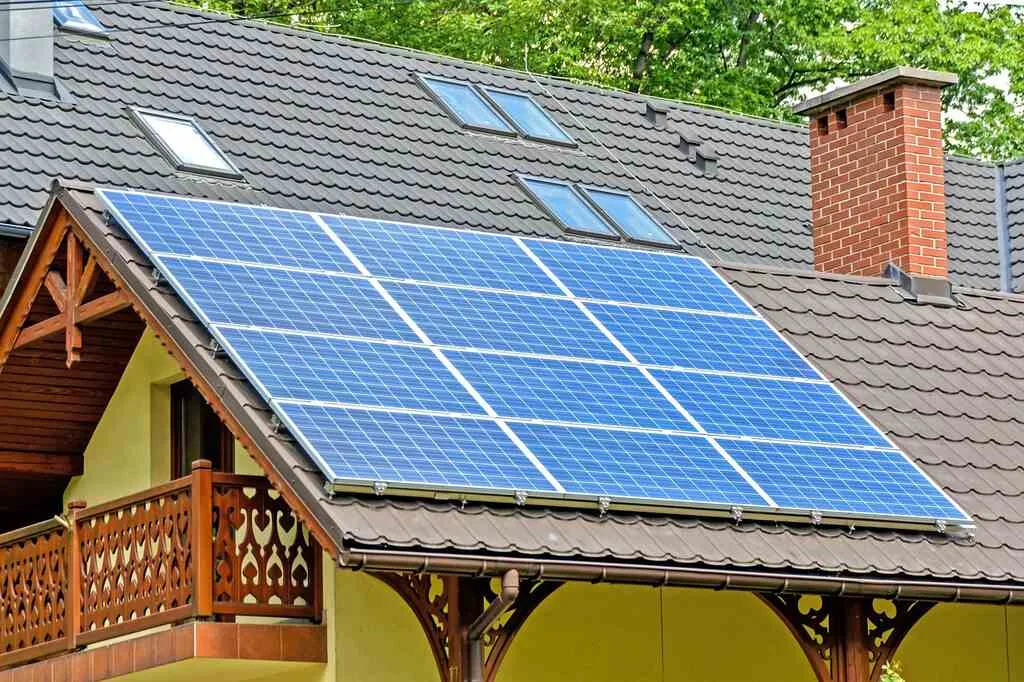
In the case of solar energy, generation is done through photovoltaic modules that capture sunlight and convert it directly into electricity through the photovoltaic effect.
In wind energy, wind turbines transform the force of the wind into mechanical energy, which is converted into electrical energy by a generator.
Hydroelectric plants, especially small ones, use the potential energy of falling water to move turbines, which activate generators.
Geothermal sources harness the Earth's underground heat, while biomass systems use the combustion or decomposition of organic materials to generate heat or electricity.
The process is generally cleaner and quieter than conventional coal or gas-fired plants.
Furthermore, many of these technologies allow for decentralized generation, such as residential photovoltaic systems, which reduce transmission losses and increase the efficiency of the electrical system as a whole.
What are the types of clean energy?
Clean energy sources use natural resources in a sustainable way, with low or no pollutant emissions.
Each type has specific characteristics, distinct applications and varying levels of efficiency and environmental impact.
Understanding these differences is essential to choosing the best solution for each energy need. Check it out:
Solar energy
Solar energy is generated from radiation emitted by the sun. There are two main ways to harness it:
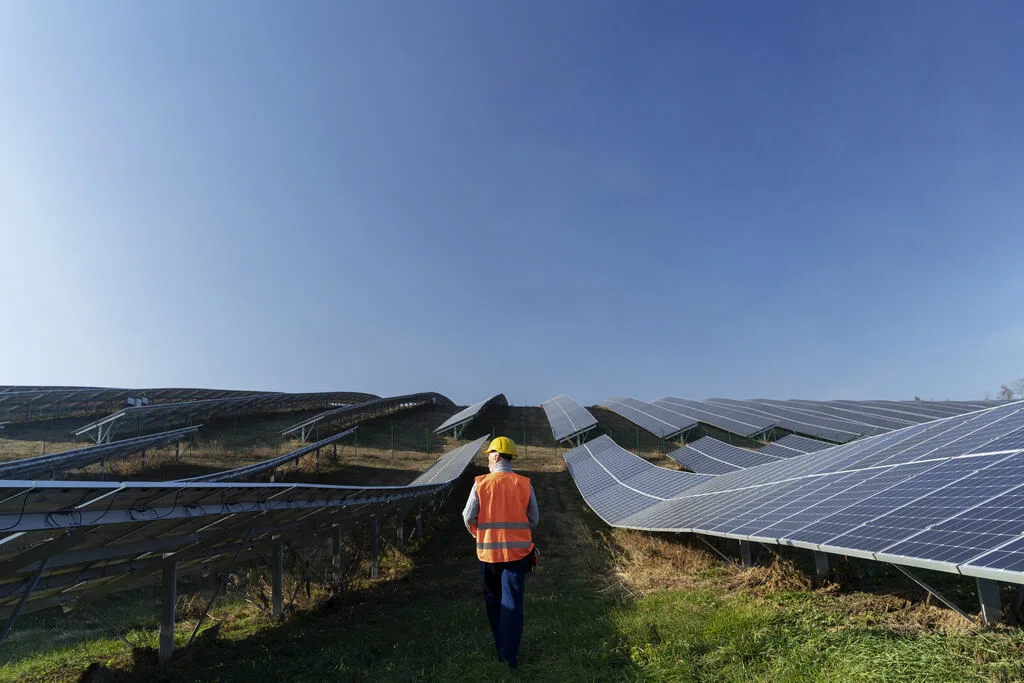
- Photovoltaic Solar Energy: directly converts sunlight into electricity through photovoltaic modules, widely used in residential, commercial and industrial systems;
- thermal solar energy: uses solar collectors to heat liquids, generally in applications such as heating water for domestic use or in industrial processes.
Brazil has one of the greatest solar potentials on the planet, with average irradiation higher than that of leading countries in the sector.
Furthermore, the popularization of distributed generation and regulatory incentives are driving the accelerated growth of solar energy in the country.
wind energy
Wind energy is obtained from the force of the winds, which move turbines coupled to generators.
Wind farms can be installed on land (onshore) or at sea (offshore).
In Brazil, wind farms are concentrated mainly in the Northeast, where the regularity and intensity of the winds provide high efficiency rates.
This source stands out for its scalability and low environmental impact during operation, being one of the main alternatives for diversifying the energy matrix.

Hydro-electric energy
Hydroelectric power plants generate energy through the force of moving water, usually using waterfalls to turn turbines.
In Brazil, this is the main source of electrical energy, responsible for around 55% of the Brazilian energy matrix.
Although it is a renewable source, not all hydroelectric plants are considered “clean”, especially large ones that cause extensive flooding and deforestation.
However, small hydroelectric plants (PCHs) and hydroelectric generating plants (CGHs) have been gaining ground as they have a lower environmental impact and are technically viable in remote regions.
Geothermal energy
This source exploits the natural heat from the Earth's interior to generate electricity or heat environments.
The process involves the use of steam or hot water from underground reservoirs, using specific probes and turbines.
Although still little explored in Brazil due to local geological characteristics, geothermal energy is widely used in countries such as Iceland, Italy and the United States, being highly stable and predictable, with low pollutant emissions.
Tidal energy (or tidal power)
Tidal energy is produced from the movement of tides and ocean currents. Dams, submerged turbines or floating systems are used to convert the kinetic energy of water into electricity.
It is a promising technology, especially for countries with long coastlines, such as Brazil.
However, high installation costs and environmental and technical complexity still limit its large-scale commercial expansion.
Biomass
Biomass corresponds to energy generated through the burning or decomposition of organic matter, such as agricultural and forestry waste and even urban sewage.
It can also be used in the production of biogas and biofuels, such as ethanol and biodiesel.
It is an efficient alternative for reusing waste and can be used in cogeneration systems, which simultaneously produce heat and electricity.
When managed sustainably, biomass contributes to the circular economy and the reduction of fossil fuel use.
What is the best source of clean energy?
There is no single font that is considered the “best” in all contexts. The ideal choice depends on several factors:
- Local availability of natural resources;
- Project objectives (autonomy, economy, environmental impact);
- Technical and regulatory feasibility;
- Cost of implementation and maintenance;
- Scalability and storage.
In Brazil, photovoltaic solar energy stands out as one of the most advantageous due to its wide solar incidence, ease of installation in different types of properties and attractive financial return.
Wind energy is highly competitive on a large scale, with consolidated parks and a high capacity factor.
In an ideal scenario, the combined use of different sources, known as a diversified energy matrix, guarantees greater security, stability and sustainability to the electrical system.

What is the cost of clean energy?
Costs vary significantly depending on the source, the technology used, the scale of the project and local conditions. Here is an overview:
- Photovoltaic Solar Energy: the cost has fallen dramatically in recent years. Residential systems in Brazil have an average payback of between 4 and 7 years, with a useful life of over 25 years. Regulatory incentives make the investment even more attractive;
- wind energy: competitive cost on a large scale, especially in regions with high wind incidence. In the A-6/2023 auction, the average price of wind power was below R$ 180/MWh;
- Biomass: moderate cost, with an advantage in places where agricultural or industrial waste is available;
- Geothermal and tidal: high installation and operation costs, recommended only for specific niches with high natural potential.
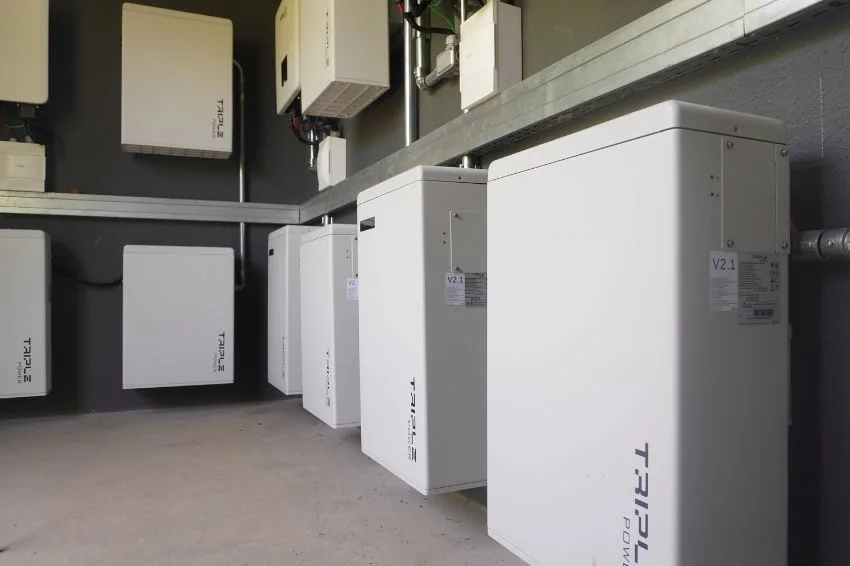
In addition to the direct cost of implementation, it is important to consider indirect costs, such as maintenance, energy storage (batteries, for example), connection to the electricity grid and possible regulatory fees.
What are the advantages of clean energy?
Clean energy sources offer a range of benefits that go beyond environmental sustainability. The main advantages include:
- Reduction of polluting gases: contribute to mitigating global warming and improving air quality;
- Low environmental impact: clean technologies preserve ecosystems and water resources;
- Renewable and inexhaustible source: sun, wind and tides are natural resources available continuously;
- Autonomy and economy: systems such as solar photovoltaic systems allow for self-generation of energy and reduce dependence on the electricity grid;
- Decentralization of production: facilitates access to energy in remote areas and improves energy security;
- Encouraging innovation and job creation: the sector drives the green economy and promotes technical training;
- Property valuation and business sustainability: contributes to the institutional image and compliance with ESG practices.
Understand the clean energy landscape in Brazil
Brazil is one of the world leaders in the use of renewable sources. In 2023, the country broke a historic record: 93,1% of all electricity generated came from renewable sources, according to data from the Electric Energy Trading Chamber (CCEE).
Hydroelectric plants accounted for around 50 thousand average MW generated, which represents more than half of the electricity matrix, while wind and solar, together, produced 13 thousand average MW, an increase of 23,8% compared to 2022. Biomass, in turn, contributed with 3,2 thousand average MW, with an increase of 9,6% compared to the previous year.
In the same year, Brazil added 42,6 thousand MW in new plants, equivalent to three times the capacity of the Itaipu Dam. Distributed generation grew 63,9% in the year, driven mainly by solar systems on residential and commercial rooftops.
These figures reflect not only the country's technical and geographical potential, but also progress in regulation and opening up the free energy market, which should continue to drive demand for clean sources in the coming years.
Conclusion
Clean energy has gone from being a trend to becoming a strategic and necessary reality in Brazil and around the world.
With increasingly competitive costs, great potential for expansion and unquestionable environmental benefits, it is consolidating itself as the most efficient way to guarantee energy security, sustainable development and combat climate change.
Brazil is already a global leader in renewable energy generation, and the growth of solar energy, especially in distributed generation, opens up opportunities for consumers, companies and investors. This is the ideal time for those who want to be part of this energy revolution.

Comments
Comments are moderated before publication.Comments should be respectful and contribute to a healthy debate. Offensive comments may be removed. The opinions expressed here are those of the authors and do not necessarily reflect the views of the author. Canal Solar.