
Article published in Magazine Canal Solar – Vol. 7, No. 1, February/2026
Increasingly intense and frequent heat waves are redefining the stress levels on Brazilian solar power plants. In recent years, thermometers have even exceeded historical extreme temperature records by 3°C.
In addition to the heat, ultraviolet (UV) radiation levels are reaching extreme levels in several regions, according to measurements taken last year by INPE (National Institute for Space Research). These severe weather conditions have a direct impact on the infrastructure of photovoltaic power plants.
By the end of 2025, distributed solar generation will have reached 43,5 GW of installed capacity, totaling 3,87 million photovoltaic systems connected to the grid across all 5.565 municipalities in the country.
This is a recent and impressive phenomenon: between 2024 and 2025 alone, 1,5 million new solar installations were added, almost doubling the total number of consumer units with their own generation.
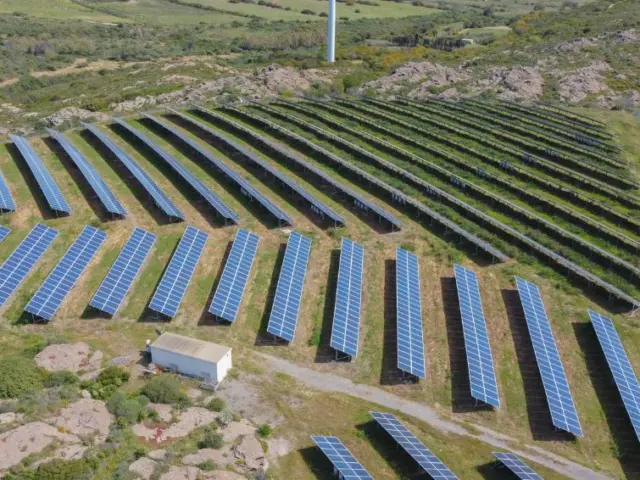
Solar photovoltaic energy already accounts for 99% of all distributed generation power in the country, consolidating itself as one of the pillars of electricity expansion. Furthermore, large centralized solar power plants have continued to come online, especially in the Northeast, adding several gigawatts to the grid.
This boom brings enormous benefits in terms of diversifying the energy matrix, reducing electricity costs, and promoting sustainable economic development. However, it also puts pressure on infrastructure and on the quality standards adopted in installations.
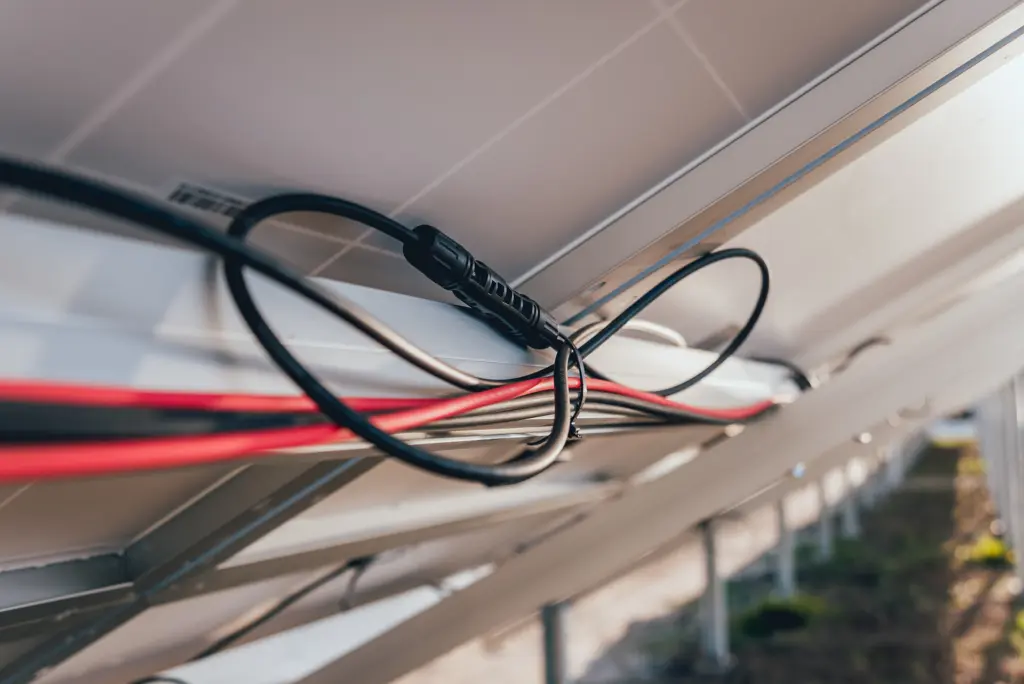
Panels and inverters suffer from the heat, but they are the photovoltaic cables – responsible for connecting the panels to the inverters – which are becoming the vulnerable link in the face of this unforgiving climate.
Read the full article in the complete edition of the magazine.
The opinions and information expressed are the sole responsibility of the author and do not necessarily represent the official position of the author. Canal Solar.

Comments
Comments are moderated before publication.Comments should be respectful and contribute to a healthy debate. Offensive comments may be removed. The opinions expressed here are those of the authors and do not necessarily reflect the views of the author. Canal Solar.