
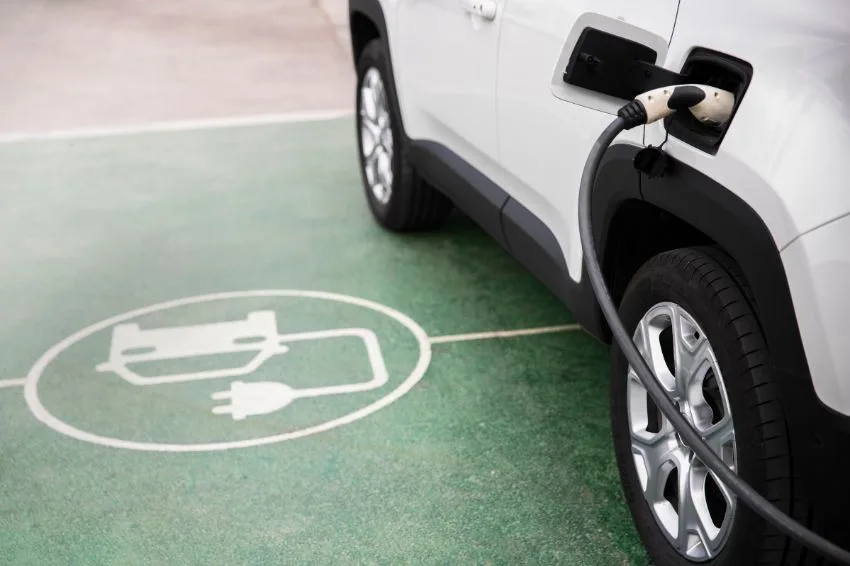
Among so many countries around the world accelerating efforts towardsand reduce carbon emissions and adopt sustainable solutions, the Brazil's role will gain more and more importance. The country has been exploring its vocations and facing challenges, and thus has the potential to become a lleader in the global movement of electromobility.
In the global commitment to achieve a more sustainable future, electromobility emerges as an important stimulus for changes in the transport sector. Almost the entire world has been adopting EVs (electric vehicles) and investing in the necessary infrastructure to leave fossil fuels behind.
According to recent studies, it is predicted that the global EV market will exceed 50 million units by 2030, with an elevation difference of annual growth rate of 22,6%. This rapid expansion is fueled by several factors, including public policies, government incentives, technological advances, environmental awareness and infrastructure development.
Brazil's strategic role
A Solar Promotion International GmbH, organizer of The smarter E South America, stated that the Brazilian electromobility market is evolving rapidly, with marked advances in EV sales, expanding charging infrastructure and growing public policy support.
Furthermore, the installation of factories for the local production of electric vehicles and components has strengthened the logistics chain, which further drives the evolution of the sector.
“Investments in charging networks and integration with renewable energy have consolidated the country as a serious protagonist in the transition to electromobility in Latin America. The uninterrupted growth of this market positions Brazil as the undisputed leader in the region in the transition to electric transport”, they highlighted.
Below are the main points listed by Solar Promotion International that highlight Brazil's strategic role.
- Integration with renewable energies: Brazil's robust renewable energy sector – especially hydroelectric and wind energy – provides a sustainable basis for the growth of electromobility. The country's abundant clean energy resources allow for the integration of EVs with minimal use of fossil fuels in power generation, making the transition even more environmentally beneficial;
- Government initiatives: The Brazilian government has introduced a series of initiatives to promote the adoption of EVs, including tax incentives for electric vehicle purchases and investments in charging infrastructure, as well as support for research and development in EV technologies. The National Electric Mobility Plan (PNME) has ambitious goals to increase the share of EVs in the national fleet by 2035;
- Industrial potential: The Brazilian automobile industry is gradually moving towards producing EVs and their components. Large automakers are investing in local EV production, taking advantage of Brazil's qualified workforce and technological expertise. Furthermore, the country has been exploring opportunities to become a global center for the production of lithium batteries, given its significant mineral reserves;
- Urban mobility solutions: To respond to growing urbanization and the need for sustainable transport solutions, Brazilian cities have been adopting electric buses and other forms of electrified public transport. São Paulo and Rio de Janeiro lead the way with pilot projects and the formation of large fleets of electric buses, helping to clean the air and reduce the carbon footprint.
Challenges and opportunities
Although Brazil's potential in the electromobility segment is immense, challenges remain. According to Solar Promotion International GmbH, the high cost of EVs, limited charging infrastructure and the need for awareness campaigns are among the main obstacles to overcome. However, these challenges also present opportunities for innovation, investment and collaboration between the public and private sectors.
Congress highlights innovations in the sector
A Power2Drive South America will make its debut at Expo Center Norte, São Paulo, between August 27 and 29, 2024 as the fundamental fair and congress for charging infrastructure and electromobility in Latin America, focusing on the relevance of the electric car in the energy matrix and the sustainability of transport in the future, and presenting innovative charging solutions, battery concepts and business models for sustainable electromobility.
“Power2Drive is the ideal meeting point for manufacturers, suppliers, installers, distributors, fleet and energy administrators, electromobility providers and new companies. The fair is an opportunity to discuss the current situation and strategic trends in Latin American photovoltaic markets, as well as technological innovations and new business opportunities”, explained Solar Promotion International.
The event will be held in parallel with Intersolar South America, the largest fair and congress in Latin America for the solar sector; ees South America, an essential event for batteries and energy storage systems in Latin America; and Eletrotec+EM-Power South America, an electrical infrastructure and energy management fair. The four fairs and congresses make up The smarter E South America platform.
Service
Event: Power2Drive South America
Congress dates: August 28 and 29, 2024
Where: Expo Center Norte, in São Paulo (SP)
Address: Rua José Bernardo Pinto, 333, Vila Guilherme
Congress time: 9 am - 20 pm
More information: access the link.
Organization: Power2Drive South America is organized by Solar Promotion International, Pforzheim and Freiburg Management und Marketing International, and co-organized by Aranda Eventos & Congressos, São Paulo.
all the content of Canal Solar is protected by copyright law, and partial or total reproduction of this site in any medium is expressly prohibited. If you are interested in collaborating or reusing part of our material, please contact us by email: redacao@canalsolar.com.br.




Comments
Comments are moderated before publication.Comments should be respectful and contribute to a healthy debate. Offensive comments may be removed. The opinions expressed here are those of the authors and do not necessarily reflect the views of the author. Canal Solar.