

A residential solar energy continues to grow in Brazill. In total, the country has more than 2 million photovoltaic systems installed in properties, according to data from ANEEL (National Electric Energy Agency).
Furthermore, data published by ABSOLAR (Brazilian Association of Photovoltaic Solar Energy) show that the implementation of rooftop installations have already been responsible for attracting more than R$70 billion in investments.
There is no doubt that the segment is booming, right? But you Do you know how residential solar energy works? Do you know the installation types, the benefits of having a power plant at home and which residential photovoltaic energy kit price?
Check it out below everything about the subject!
What is residential solar energy?
A photovoltaic solar source is one in which the energy produced comes from sunlight and is transformed into electricity for use in any domestic equipment.
For solar generation, photovoltaic modules which will transform light into electricity and also inverters that will convert the direct current generated into alternating current, which is suitable for connecting conventional residential electrical installations.
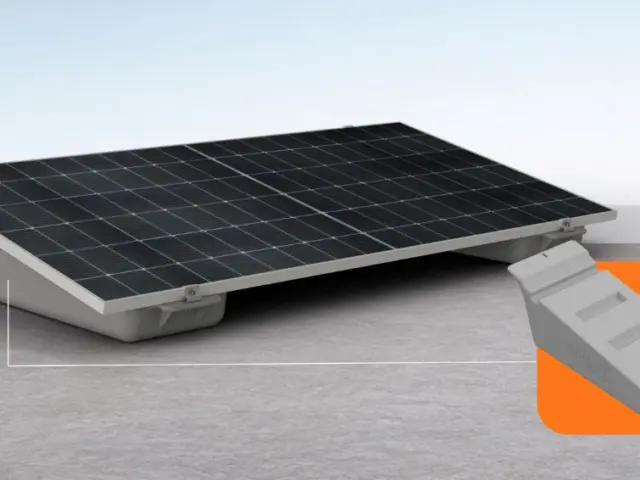
The first step to accessing this type of energy is to install photovoltaic modules on the property. These modules can be installed on roofs, slabs or even in their own anchoring structures to the ground.
The more energy the photovoltaic panels produce, the less you will need to use from the electricity grid, thus saving on your energy bill.
Remember: the details of purchasing and installing a residential solar system must be seen together with a specialized company, which will have trained professionals for the installation (known as integrator companies).
What types of solar energy installation are there?
It is necessary to understand that the solar energy generation system has two main fronts: on-grid and off-grid. The difference between them is that the on-grid is connected to the energy company's network, while the off-grid is 100% autonomous – that is, it is not connected to the distributor's network.
On-grid
If you produce, with your solar modules, more energy than you consume and your photovoltaic system is connected to the public electricity grid, that is, an on-grid system, then the surplus is injected into the grid, generating energy credits. These can be accumulated and used to reduce consumption in periods when generation is not sufficient or at night, when there is no generation.
Off grid
Off-grid systems are independent of the public electricity grid, and can accumulate surplus solar energy generated by charging a bank of batteries to provide electrical energy at times when solar energy generation is not possible (at night).
Hybrid
There are also hybrid systems – those that can operate in on-grid and off-grid modes. The main application of hybrid systems is diverse and they have different usage strategies, such as: backup systems, demand control, use at times when energy is more expensive (peak hours), etc.
In hybrid systems, when a power grid failure occurs, the grid-tie mode is turned off and the off-grid mode is activated, so the customer can use the energy even without the distributor's grid, using its power system as an energy source. storage (batteries).
How does residential solar energy work?
Now that you understand what residential solar energy is, let's move on to the next step: hiring a qualified professional to size your residential photovoltaic system and create the most suitable project for your property.
At this stage, a company professional will assess the average energy consumption over the last 12 months, generally through the property's energy bill. Furthermore, he will assess the area available for installation of solar panels.
Based on this information, the company will size the power of the generation system and consequently the number of solar panels, inverters, fixing structures, cables and connectors.
At this sizing stage, it is common to have a technical visit to learn about the property, the characteristics of the installation and the difficulties that will be faced in executing the project.
This visit will be the basis for creating the budget, as electrical details of the panels, positioning and type of roof, among others, are essential for composing the budget.
After this visit, the qualified professional will choose the best technical solution that suits the customer. In other words, whether the system will be on-grid, off-grid or hybrid.
If it is on-grid or hybrid, the next step is to request authorization from the energy distributor, what we call a connection quote request. If it is off-grid, it will not be necessary to make this request, as it is not connected to the electrical grid.
After choosing the best system option, we move on to purchasing the photovoltaic kit, which may consist of the following equipment:
- Photovoltaic modules – responsible for capturing sunlight and transforming it into direct current electrical energy;
- Inverter – capable of converting the energy captured from direct current to alternating current, suitable for consumption;
- String box – box that will receive sectioning and protection equipment, such as: surge protection devices (DPS), fuses, circuit breakers, disconnect switches, etc.
- Fixing structures – for application to the roof of the house;
- Batteries and charge controllers – for off-grid and hybrid models only.
The installation process is easy and practical, but it must be done by a qualified person who understands how a residential solar energy system works, after all, contact with equipment that generates energy is dangerous and the work must be carried out correctly. to be durable and not bring inconvenience to the customer.
What are the advantages of having a solar energy system at home?
Business
One of the main benefits of residential solar energy is savings on your electricity bill. Since photovoltaic systems generate their own energy in the consumer unit, the user depends much less on electricity from the public grid and can pay a cheaper price for the energy generated.
If the energy production of solar panels is greater than consumption, then the surplus is injected into the grid, generating credits that can be used later, deducting the value from the electricity bill.
Property valuation
Another advantage of residential solar energy is the increase in property value. There are estimates that a property with a solar energy system could be worth 4 or 6% more. Taking into account the total price of this good, this additional represents an interesting difference.
Imagine a property that costs R$300. With the solar system increasing in value by 6%, this value already rises to R$318 thousand. In other cases, the valuation may rise even further, it all depends on the general characteristics of the property.
Sustainable energy
Solar plants start from a non-polluting energy source, which is sunlight. Therefore, by using a photovoltaic energy generator, you are contributing to the preservation of the environment.
Many energy sources used around the world contribute to the increase in global emissions of gases that intensify the greenhouse effect, one of the main causes of the serious consequences of global warming.
How to install the photovoltaic system at home?
To invest in a photovoltaic system for your home, you can use your own capital or obtain bank financing. Several financial institutions in Brazil now offer their own financing lines for residential solar energy.
Depending on the value of the financing installment, it can be paid with the savings generated on the electricity bill provided by the photovoltaic system.
What is the price of the residential PV system?
According to EPE (Energy Research Company) in its Electric Energy Statistical Yearbook 2023 energy consumption in the residential class was 152.771 GWh – an increase of 2% compared to 2021.
The residential class represents the largest number of electricity consuming units in the country, however, the average residential consumption by region and federative unit (UF) presents different levels across Brazil.

Considering an average irradiation of 5 kWh / m² and 0,8 overall system efficiency, a photovoltaic system of approximately 106,09 GWp would be needed to meet this recorded consumption of 152.771 GWh.
Data from Greener, referring to the year 2023, shows that the average price of the residential system in January 2024 fell by 28% compared to January of the previous year and fell by 14% compared to June 2023.
The average cost of a 4 kWp residential photovoltaic system is R$12.680, compared to R$17.560 in January 2023. The share (%) of integration services remained stable despite the drop in the price of plants.
Below is the table that corresponds to the historical price of the 4 kWp residential system in R$/Wp.

Is it worth having solar energy at home?
Without a doubt, residential solar energy is a worthwhile investment.
The equipment used in a photovoltaic system is easy to install and maintain, and costs have been falling in recent years.
The installation of solar energy is currently viable for consumers and a great opportunity to produce their energy at a lower price, in addition to all the sustainability involved in producing this energy.
Furthermore, the systems have a long durability, making the plant a good value for money for those who purchase it. Its useful life is usually around 25 to 30 years.
The average payback, return on investment time, for a residential photovoltaic system in Brazil, according to the latest data from Greener, is 3,3 years, as can be seen in the following figure.

It is possible to observe an improvement in return on investment, with a 25% reduction in payback comparing January 2024 with the same month in 2023, with the drop in CAPEX being the main factor for this variation. There is a 13% reduction between January 2024 and June 2023.
The GD II scenarios from January 2023 to January 2024 were analyzed, considering only changes in construction time, start of operation, tariff adjustments and equipment prices.
Do you want to install solar energy in your home? Find companies specializing in solar energy installation and start saving today!
Conclusion
Solar energy is one of the most competitive sources, being the fastest growing in Brazil and in the world. Anyone who invests in residential solar energy can save on their energy bills, with a quick return on investment.
To give you an idea, prices for the end customer of micro DG systems in January 2024 showed a 30% drop compared to January 2023, with the reduction in the module price being the main influencing factor. Larger sizes, mini GD, showed a drop of 24%, Greener pointed out.
In addition to accelerating the decarbonization of economic activities and helping to combat global warming – solar sources are playing an increasingly strategic role in the competitiveness of productive sectors, relief for the family budget and energy independence.


Comments (1)
Comments are moderated before publication.Comments should be respectful and contribute to a healthy debate. Offensive comments may be removed. The opinions expressed here are those of the authors and do not necessarily reflect the views of the author. Canal Solar.
Great post, I haven't seen one that explains so well the cost of having a solar system that meets the needs of a house. Congratulations on the post.