

A Engie Brasil It announced that it has begun developing a new technology for transmission lines up to 525 kV, in a R$ 20 million project that seeks to increase the network capacityto reduce construction costs and increase the operational efficiency of projects.
The initiative, developed in partnership with the companies Engetower and SAE Towers, is part of the R&D (Research, Development and Innovation) program of [organization name]. ANEEL (National Electric Energy Agency) and is scheduled for completion by the end of 2027.
Named the Eagle Tower Series, the solution was designed for applications in high-voltage transmission lines and aims to offer a technological alternative for future projects in the sector.
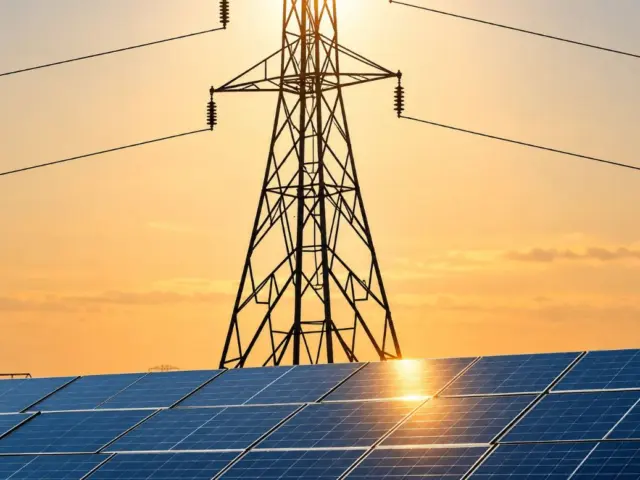
The project emerges at a time when the accelerated expansion of renewable energy generation in Brazil increases the need to transport large volumes of energy produced in regions far from the main consumer centers, without necessarily implying the opening of new transmission corridors.
Brazil's longest underground transmission line is 44 km long; learn about the project.
More energy
One of the main objectives of the new structural platform is to increase the natural transport capacity of transmission lines, measured by the indicator known as Surge Impedance Loading (SIL).
According to Engie, the technology could achieve approximately 1.682 MW of transmission capacity, above the levels currently practiced by the market, which are around 1.665 MW.
Although the numerical difference is relatively small, gains of this magnitude can represent a significant increase in efficiency in large-scale projects, especially given the continued growth of solar and wind power generation in the country.
The company expects the solution to help expand the capacity of the electrical system without requiring the implementation of new right-of-way areas.
Engineering
The distinguishing feature of the Eagle Tower Series lies in its structural design. Unlike conventional models, which heavily utilize guyed towers, this project expands the use of self-supporting structures, offering greater flexibility for deployment in areas with complex terrain.
The platform brings together different configurations — self-supporting, guyed, anchored, and terminal anchored — in a single-mast concept developed to standardize the electrical performance of the lines.
Among the expected technical benefits are the elimination of asynchronous balance effects, greater operational availability of assets, increased safety during cable assembly and deployment, and simplification of construction activities in the field.
Reduced costs
In addition to operational gains, the company projects positive impacts on the investments needed to implement the lines. Studies developed by Engie indicate a potential reduction of between 2% and 5% in the construction costs of the projects.
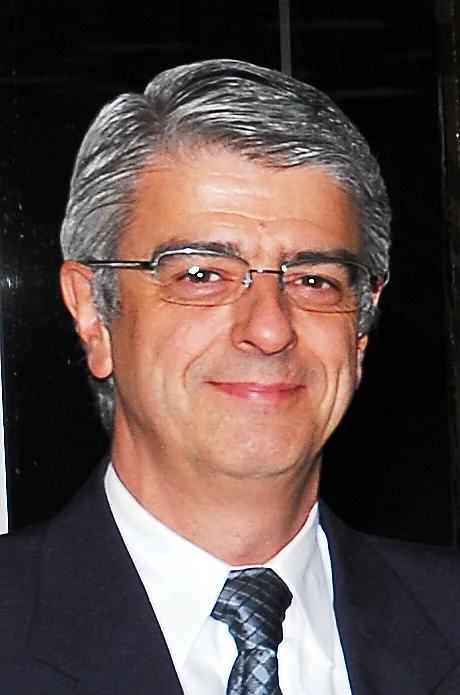
In a sector where projects frequently exceed R$ 1 billion in investments, this savings can represent significant amounts. According to the company's Transmission Director, Gustavo Labanca, the initiative reinforces the company's commitment to developing solutions aimed at increasing the efficiency, reliability, and sustainability of the Brazilian electrical system.
less impact
The new platform was also designed to reduce environmental impacts associated with the deployment of transmission lines. According to Engie, the solution can decrease the number of foundations required, reduce the width of right-of-way areas, require less vegetation suppression, and mitigate land impacts.
These gains result, among other factors, from the greater range of variation in structural heights and new arrangements for securing conductor cables.
According to Paulo Henrique Muller, Director of Implementation at Engie Brasil, these characteristics allow for greater spacing between conductors and adjacent vegetation, reducing environmental interference along the power line route.
The technology will be validated by 2027.
With an estimated duration of 20 months, the project will be developed in five stages: surveying the state of the art in the sector; designing the new structural architecture; conducting electrical and mechanical simulations; developing specific insulator strings; and performing virtual and physical tests to validate the technology.
At the end of this process, the expectation is to provide the market with a complete set of projects, studies, and validations capable of enabling the use of the new platform in future transmission projects, contributing to expanding the capacity of the Brazilian electrical system in the face of growing demand for clean and renewable energy.
all the content of Canal Solar is protected by copyright law, and partial or total reproduction of this site in any medium is expressly prohibited. If you are interested in collaborating or reusing part of our material, please contact us by email: redacao@canalsolar.com.br.

Comments
Comments are moderated before publication.Comments should be respectful and contribute to a healthy debate. Offensive comments may be removed. The opinions expressed here are those of the authors and do not necessarily reflect the views of the author. Canal Solar.