
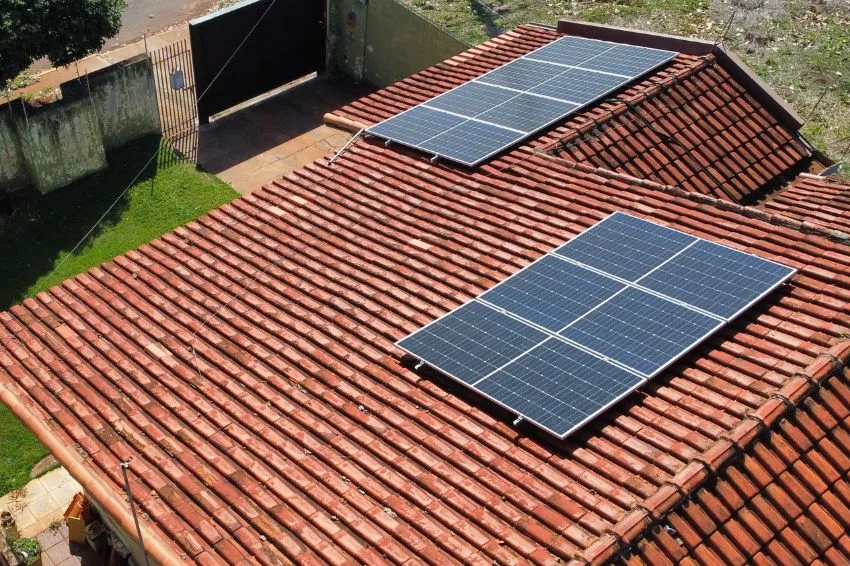
Flow reversal has been a constant challenge for many solar system integrators. Failed projects and dissatisfied customers, without viable solutions offered by utilities, become a recurring headache in the sector.
A practical and effective solution to avoid project rejection due to flow reversal is the use of fast track. Regulated by ANEEL (National Electric Energy Agency), through Resolution 1098/2024, in force since July 2024, the fast track establishes that, for projects of up to 7,5 kW with local generation, reverse flow analysis is not necessary.
Even with the limited power of inverters, there are ways to optimize the system's power generation. Well-planned overload is essential to maximize system efficiency.
The ideal is to work with an overload of between 20% and 25%, which enhances energy generation without compromising performance. In addition, opting for modules with advanced technology that minimize losses caused by dirt is an excellent strategy to maximize benefits to the customer.
In this context, SolarUnit stands out as an innovative and efficient solution. The world's first integrated system combines a 1,5 kW microinverter with three Full-Screen modules of 610 Wp each.
By using five SolarUnits, the system reaches an installed power of 9,15 kWp, resulting in an overload of 22% and keeping the inverter power within the 7,5 kW limit – an ideal configuration to fit into the fast track.
SolarUnit technical differences
The SolarUnit system has two major differences that bring significant advantages to integrators and customers:
- Full-screen modules with reduced losses due to dirt: Full-Screen technology prevents the accumulation of dirt on the bottom of the modules, a common problem that reduces energy generation due to blockage caused by debris accumulated over time;
- High-efficiency microinverters: SolarUnit microinverters operate with low-current modules, which reduces losses related to high temperatures and increases efficiency in converting direct current (DC) to alternating current (AC).
Benefits for integrators
With SolarUnit, integrators have a solution at their disposal that not only simplifies the project approval process, but also ensures high efficiency and customer satisfaction.
By combining advanced technology and fast track regulatory compliance, SolarUnit is positioned as a strategic tool to drive success in the solar market.
The opinions and information expressed are the sole responsibility of the author and do not necessarily represent the official position of the author. Canal Solar.

Comments
Comments are moderated before publication.Comments should be respectful and contribute to a healthy debate. Offensive comments may be removed. The opinions expressed here are those of the authors and do not necessarily reflect the views of the author. Canal Solar.