
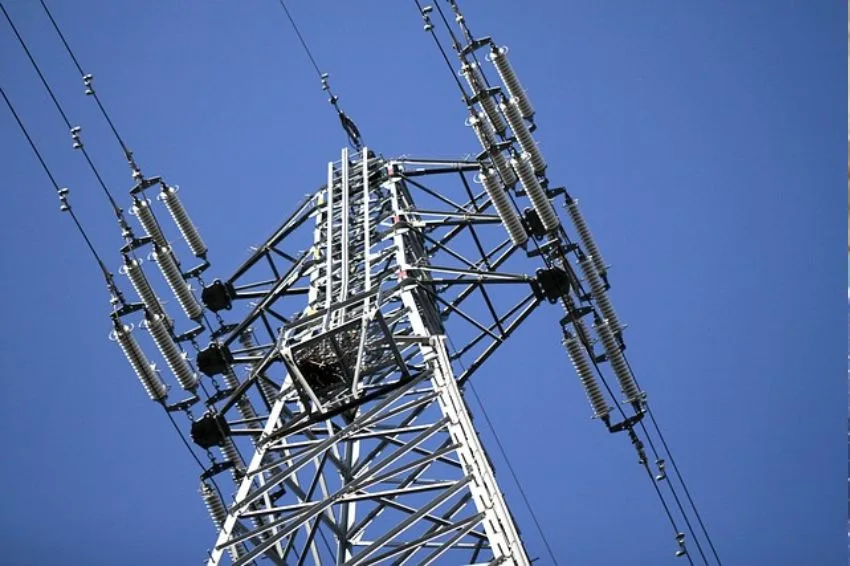
Generation cuts increased from 10,2% in January to 25,1% in February, due to restrictions in the transmission system, according to a report released by Itaú BBA this week.
Wind generation recorded a reduction of 25,1% in February, up from 9,3% in January. Solar generation saw 24% of its production cut, compared to 12% in the previous month.
All companies covered by the bank faced significant increases in the impacts of reduced generation in the monthly comparison. Engie, Auren, Serena and Equatorial were the most affected in absolute terms.
In relative terms (proportionally to generation capacity), Eneva, Serena, Engie and Auren had impacts that exceeded 20% of total generation.
According to Itaú, the increase in outages was caused by the unavailability of the 800 kV Xingu/Terminal Rio direct current transmission line, which connects the states of Pará and Rio de Janeiro.
On January 22, seven towers on this line, operated by State Grid, collapsed due to a storm. This line is responsible for transporting much of the energy from the Belo Monte hydroelectric plant.
The line only resumed normal operations on February 13. Restrictions due to External Unavailability occurred mainly between February 1 and 13.
This led to a significant increase in cuts due to External Unavailability, which rose from 6% in January to more than 20% of generation in February. It is worth noting that, for the first time since April 2024, the reduction in wind generation exceeded that of solar.
It should be noted that only cuts due to External Unavailability are subject to reimbursement to generators, but only when they exceed the allowance of 70 hours per year for wind farms and 35 hours for solar farms.
Of the 70 wind and solar plants covered by the bank, 51 exceeded the hourly allowance established by the regulatory body.
Impact of distributed generation on generation reduction
Itaú also analyzed the contributions sent in the third phase of Public Consultation No. 45/2019, which seeks solutions to minimize the impact of curtailment in generators. The contribution period ended on February 25, with more than 50 participations from companies, associations and other stakeholders.
According to the bank, Distributed Generation (GD) was cited in several contributions as one of those responsible for generation cuts due to Energy Reasons, which occur when the energy supply exceeds consumption.
According to ANEEL, this type of cut occurs mainly during the day, when transmission capacity is not a problem.
With the expansion of DG, there is a tendency for this scenario to intensify in the coming years, requiring greater debate on the effects of this source on the centralized operation of the system.
The director of ANEEL, Sandoval Feitosa, stated that any changes to include distributed generation in the group of sources impacted by the curtailment are unlikely to be established in current regulatory discussions.
However, many contributions to the public consultation argued that the financial impacts of generation cuts should be shared with DG. ABEEólica argues that DG should participate in the sharing of the impacts of curtailment due to their contribution to the problem.
The association suggested that the ONS (National System Operator) conduct studies to find a solution that would enable a real-time physical reduction of distributed generation. ABEEólica cited the model adopted in Australia, where new DG projects already require smart meters with real-time control capabilities.
all the content of Canal Solar is protected by copyright law, and partial or total reproduction of this site in any medium is expressly prohibited. If you are interested in collaborating or reusing part of our material, please contact us by email: redacao@canalsolar.com.br.



Comments
Comments are moderated before publication.Comments should be respectful and contribute to a healthy debate. Offensive comments may be removed. The opinions expressed here are those of the authors and do not necessarily reflect the views of the author. Canal Solar.